5-Hour Energy vs Monster: My Honest Comparison
I’ve tried 5-Hour Energy vs Monster enough times to know they’re not interchangeable. I’ve used them during late-night work, early mornings, long drives, and days when coffee just wasn’t cutting it. One gives me a quick, no-nonsense jolt. The other keeps me going over time. After plenty of trial and error, here’s how they really stack up in my experience.
What Is 5-Hour Energy?
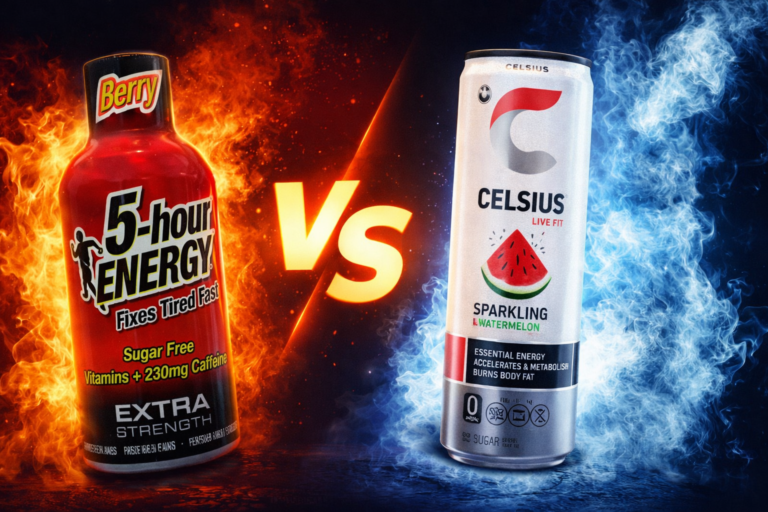
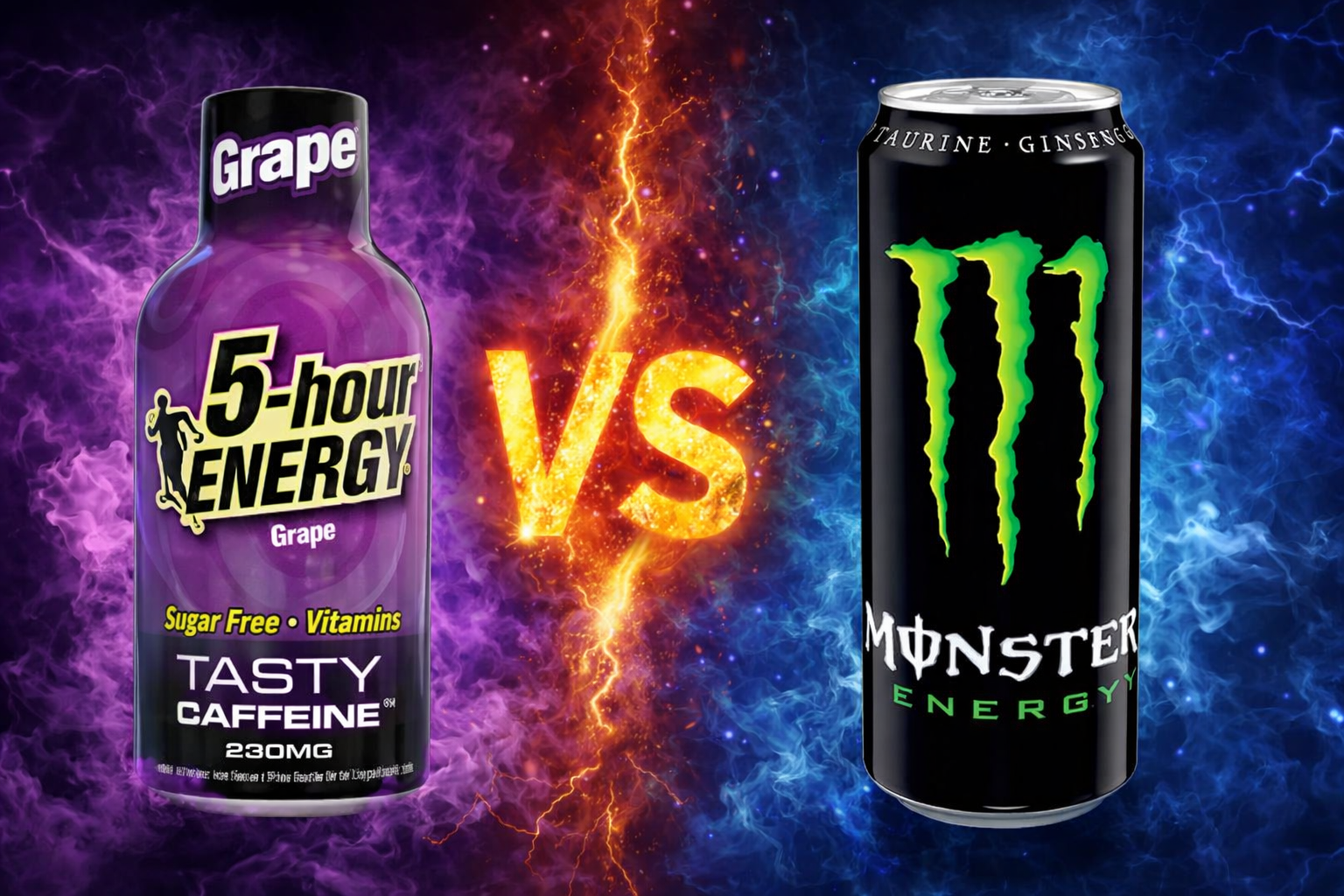
5-hour Energy is basically a tiny energy shot I take when I don’t want to mess around. It’s about 1.93 ounces, so I don’t sip it. I just drink it in one go and get on with my day.
For me, the whole point is speed and convenience. It’s packed with caffeine, has zero sugar, and barely any calories. I’m not drinking it to stay hydrated or enjoy the taste. I’m using it when I’m short on time, deep in work, traveling, or trying to stay focused late at night. It’s more of a quick tool than a drink I hang out with.
What Is Monster Energy?
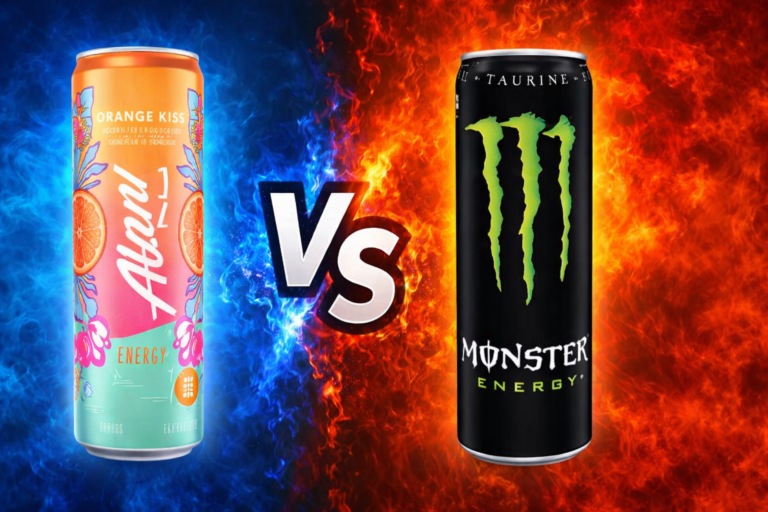
Monster Energy is the opposite of quick and tiny. It’s a full-size, carbonated energy drink, usually in a 16-ounce can that I sip over time.
Monster mixes caffeine with sugar and a bunch of add-ons like taurine, L-carnitine, guarana, and B-vitamins. For me, it feels less like a shot of energy and more like a drink I settle in with. That fits how it’s marketed too. It’s clearly aimed at gamers, athletes, and anyone who wants a strong, sweet, flavorful boost that lasts while they’re working, driving, or playing.
Electrolyte Amounts (Exact Numbers per Serving)
From my experience, neither of these is something I’d ever use for hydration. They’re energy products, not electrolyte drinks.
5-hour Energy
- Electrolytes: basically none
- Not designed for hydration or electrolyte replacement
- No meaningful sodium or potassium to speak of
Monster Energy (16 oz can)
- Sodium: roughly 300–370 mg depending on the flavor
- Potassium: very small amount
- Still not an electrolyte or hydration drink
Bottom line: I don’t treat either one like a sports drink or anything close to an oral rehydration solution. If I’m actually dehydrated, I drink water or something made for that. These are strictly for energy.
Caffeine Content
When it comes to caffeine, this is where the difference between the two really shows up for me.
With 5-hour Energy, the caffeine is extremely concentrated. The regular shot has around 200 mg, and the extra-strength version goes up to about 230 mg. Since it’s such a small amount of liquid, I feel it almost immediately. There’s no ramp-up. It hits hard and fast, which is great when I need instant focus but can feel intense if I’m not careful.
Monster Energy comes in lower at about 160 mg of caffeine in a 16-ounce can. The big difference is how that caffeine is delivered. I’m sipping it over time, not taking it all at once, so the energy feels smoother and more controlled.
The key difference is simple: 5-Hour Energy gives me a sharp, immediate jolt, while Monster provides a strong but more gradual caffeine boost that builds as I drink it.
Sugar and Carbohydrate Content
Sugar is another big reason these two feel so different to me.
With 5-hour Energy, there’s no sugar at all. It’s sweetened with non-caloric sweeteners like sucralose, and it has basically zero carbs. There’s no real fuel or calories coming from it. That’s part of why it feels so clean and sharp. I’m getting stimulation, not energy from sugar.
Monster Energy depends heavily on which version I grab. The original Monster has roughly 50 to 54 grams of sugar in a 16-ounce can, which also means about 50 to 60 grams of carbs, mostly straight from added sugar. That sugar definitely adds to the energy feeling, but it also explains why I sometimes feel a crash later.
Monster’s Ultra and other zero-sugar versions change that completely. Those have zero sugar and very minimal carbs, making them feel closer to 5-Hour Energy in terms of calories, just delivered in a much bigger, more drinkable format.
Ingredients (What Actually Matters)
When I look past the marketing, both of these come down to a pretty simple formula.
With 5-hour Energy, caffeine is clearly the main driver. That’s what I feel first and most. It also includes B-vitamins like B6, B12, and niacin, plus taurine and artificial sweeteners. In my experience, everything besides the caffeine feels secondary. The shot works because it’s concentrated, not because of some complex ingredient stack.
Monster Energy has a longer ingredient list, but the story is similar. Caffeine is still doing the heavy lifting, including some coming from guarana. On top of that, there’s sugar in the regular versions or sweeteners in the Ultra line, along with taurine, L-carnitine, ginseng, and B-vitamins.
Reality check: in both products, caffeine is doing most of the work. The added vitamins, herbs, and amino acids sound impressive, but they don’t make a big short-term difference unless you’re actually deficient.
Health & Wellness Benefits
From a health perspective, I don’t see either of these as something to use casually every day. They’re tools, not wellness drinks.
With 5-hour Energy, the biggest upside for me is that it has zero sugar and zero calories, and it’s easy to carry anywhere. The downside is the caffeine density. Because the dose is so concentrated, it’s easier to overdo it. If I’m not careful, I notice jitters, a faster heartbeat, or trouble sleeping later.
Monster Energy has its own trade-offs. The combination of caffeine and sugar in the regular versions can improve short-term alertness and performance, especially when I’m physically or mentally drained. The problem is the sugar and calorie load. Drinking it often doesn’t feel like a great idea, and I definitely feel it if I make it a habit.
Neither option is suitable for children, pregnant people, or anyone who’s sensitive to caffeine. I treat both with some respect and only use them when I actually need the boost.
Price
Price is another area where these two feel very different in day-to-day use.
With 5-hour Energy, I usually pay somewhere around $1.50 to $2.50 per shot, and it’s cheaper if I buy in bulk. The cost per ounce is high, but that’s not really what I’m paying for. I’m paying for convenience, portability, and the ability to get a full caffeine hit in a few seconds.
Monster Energy typically runs about $2.50 to $3.00 for a 16-ounce can. It’s a much better value per ounce and per milligram of caffeine. If I’m looking for the most caffeine for my money and don’t mind carrying a big can, Monster usually wins on price.
Flavor & Taste
Taste is where the gap between these two feels the widest for me.
With 5-hour Energy, the flavor is extremely concentrated. No matter which one I drink, it has that sweet, slightly medicinal, artificial taste. Some flavors go down easier than others. Berry and Blue Raspberry are usually the most tolerable for me, while the novelty flavors are hit or miss and can be pretty polarizing.
Monster Energy is a completely different experience. It’s bold, sweet, and carbonated. The original flavor is thick and syrupy, which I either really want or absolutely don’t, depending on the day. The Ultra zero-sugar line is much lighter and easier to drink, and it’s what I reach for most of the time. The huge variety of flavors is a big reason Monster stays interesting.
Customer Experience
From a customer experience point of view, these two succeed in very different ways.
With 5-hour Energy, portability is the biggest win. It’s easy to throw in a pocket or bag, it’s TSA-friendly, and it doesn’t need refrigeration. People like it because it’s predictable. You know exactly what you’re getting every time. The downside is the taste and, for some people, the jitters that come with such concentrated caffeine.
Monster Energy shines on availability and branding. It’s everywhere, all over the world, and the packaging is instantly recognizable. Customer ratings tend to be strong overall, especially for the Ultra flavors, which seem to convert even people who normally avoid energy drinks.
Which One Should You Choose?
For me, the choice comes down to how I want the energy to fit into my day.
Choose 5-hour Energy if you want the maximum amount of caffeine in the smallest possible volume. It makes sense if sugar and calories matter to you, you need fast and portable alertness, and you don’t really care how it tastes as long as it works.
Go with Monster Energy if you actually enjoy sipping a drink instead of taking a shot. It’s the better option if flavor and carbonation matter, you like having sweetness for energy or prefer the Ultra line for zero sugar, and you want better value per ounce.
Final Thoughts
After using both for years, I don’t see 5-hour Energy and Monster Energy as direct replacements for each other. They solve different problems.
5-Hour Energy is something I use when I need fast, no-nonsense alertness and don’t want to think about taste or sipping a drink. Monster is what I choose when I want energy that lasts, something I can enjoy drinking, and a smoother ride overall.
Neither one is “healthy,” and I don’t treat either like a daily habit. Used occasionally and intentionally, they can both do their job. The key is knowing what kind of boost you actually need before you crack one open.