I started paying more attention to electrolytes when I realized water alone wasn’t always enough. I could drink plenty of it and still feel tired, foggy, or slow to recover after workouts, travel, or long days. That’s when I learned how much electrolyte balance actually matters for hydration, energy, and recovery.
Electrolytes like sodium and potassium help your body absorb and use fluids. When those get out of balance, hydration doesn’t stick, energy dips, and recovery takes longer than it should. That’s why sports drinks have become such a go-to for athletes, gym-goers, and anyone trying to stay properly hydrated.
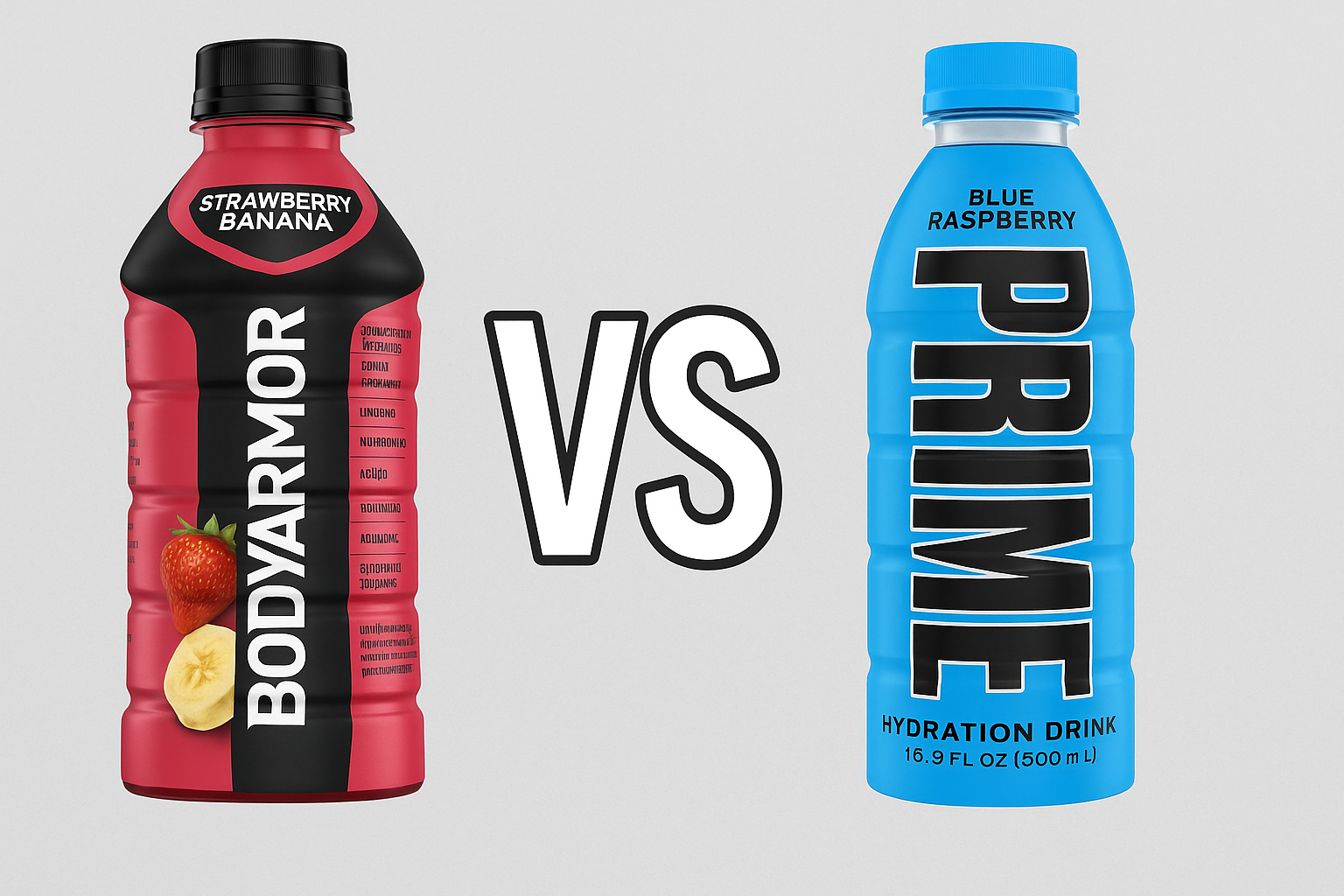
Two of the most popular options I kept seeing were BodyArmor and Prime. Both are designed to support hydration and performance, but they take very different approaches when it comes to ingredients, electrolyte levels, sugar content, and overall nutrition. On the surface, they may seem similar, but once I looked closer, some meaningful differences stood out.
In this comparison, I’ll break down what actually matters: the ingredients, the quality and amount of electrolytes, sugar content, how well each one hydrates, and the health benefits you can realistically expect. No hype — just what you need to know before choosing between BodyArmor and Prime.
What Is BodyArmor?
BodyArmor is a sports drink designed to support hydration while also delivering vitamins and nutrients your body needs during physical activity. It’s often positioned as a more natural alternative to traditional sports drinks because it uses coconut water and avoids artificial colors in many of its formulas.
What stood out to me right away is its strong focus on potassium-based electrolytes. Instead of relying heavily on sodium alone, BodyArmor incorporates coconut water concentrate, which naturally provides potassium — an important mineral that helps regulate fluid balance, muscle function, and nerve signals. That approach can feel appealing if you prefer hydration that leans more toward natural sources.
Another noticeable difference is that BodyArmor contains carbohydrates in the form of sugar. This isn’t necessarily a negative — sugar can help with rapid energy and improve fluid absorption during intense or prolonged exercise. However, it does make the drink feel more like a traditional sports beverage rather than something you’d casually sip all day.
I also appreciated that it includes added vitamins such as Vitamin C and several B vitamins, which support energy metabolism and immune health. The flavor profile tends to be smoother and less salty than many electrolyte-focused drinks, making it easier to drink consistently during workouts or long, active days.
Based on how it’s formulated, BodyArmor makes the most sense for workouts, sports, long outdoor sessions, or anytime your body is losing fluids and burning energy at the same time. It’s built less for minimalist hydration and more for performance-oriented replenishment.
What Is Prime?
Prime is a modern hydration drink created to support fluid balance while appealing to people who want bold flavors and a more lifestyle-focused sports beverage. It gained rapid popularity for positioning itself as a low-sugar alternative to many traditional sports drinks.
One of the first things that stands out about Prime is its zero added sugar formula. Instead of relying on sugar for taste, it uses alternative sweeteners to keep calories low while still delivering a strong, noticeably sweet flavor. This makes it attractive for people who want hydration without significantly increasing their daily sugar intake.
Prime also emphasizes its electrolyte blend, particularly its higher potassium content compared to many standard sports drinks. Potassium plays a key role in muscle function, nerve signaling, and maintaining proper fluid balance, which makes it an important part of effective hydration.
Another detail worth noting is that Prime includes coconut water, adding a naturally derived electrolyte source similar to what you see in some premium hydration beverages. The drink is also fortified with B vitamins, which help support energy metabolism and overall body function.
From how it’s formulated, Prime feels geared toward everyday hydration, light workouts, and general lifestyle use rather than extreme endurance training. It’s easy to drink, flavorful, and convenient — the kind of option many people reach for when they want something more exciting than plain water but lighter than traditional sports drinks.
Electrolyte Quality & Sources
When I looked closer at where the electrolytes actually come from, this is where the difference between BodyArmor and Prime became clearer.
BodyArmor leans heavily on coconut water concentrate as one of its primary electrolyte sources. That matters because coconut water naturally contains potassium, which plays a major role in muscle contraction, nerve function, and fluid balance. Instead of relying mostly on sodium like many traditional sports drinks, BodyArmor emphasizes potassium as a core part of its hydration strategy.
Another thing I noticed is that BodyArmor’s electrolyte profile feels more naturally sourced but less concentrated. It includes added potassium and some sodium, but the formula isn’t extremely high in either. It’s designed to support hydration during activity while also providing carbohydrates for energy.
Prime, on the other hand, focuses more directly on delivering a structured electrolyte blend with a stronger potassium presence and controlled sodium levels. While it also includes coconut water, the formula feels more intentionally built around low sugar and targeted hydration rather than energy replenishment.
The main takeaway for me is this: BodyArmor emphasizes naturally derived electrolytes paired with carbohydrates for fuel, while Prime prioritizes low sugar and a more modern electrolyte profile aimed at lighter hydration and lifestyle use. Neither approach is wrong — they’re simply built with different hydration goals in mind.
Electrolyte Amounts (Exact Numbers per Serving)
This is where the difference between BodyArmor and Prime becomes very clear. Once I looked at the actual numbers, it explained why they felt so different in use.
BodyArmor Electrolytes per Serving (per 16 oz bottle)
- Sodium: ~300 mg
- Potassium: ~700 mg
- Magnesium: ~0 mg
- Calcium: ~0 mg
BodyArmor delivers a hydration profile focused on potassium (largely from coconut water concentrate) with a moderate sodium level. This balance supports fluid balance and nerve/muscle function while also providing some carbohydrates for energy.
Prime Electrolytes per Serving (per 16 oz bottle)
- Sodium: ~250 mg
- Potassium: ~700 mg
- Magnesium: ~50 mg
- Calcium: ~0 mg
Prime’s electrolyte profile is somewhat lighter on sodium but matches BodyArmor in potassium, while also including a small amount of magnesium. Its formulation is designed to support general hydration needs with low sugar, making it feel lighter on calories and easier to drink throughout the day.
Comparison Summary
- Total Electrolyte Focus: BodyArmor and Prime both emphasize potassium, which helps with fluid balance and muscle function. However, BodyArmor pairs those electrolytes with carbohydrates for energy, while Prime keeps sugar and calories lower.
- Sodium Levels: BodyArmor delivers slightly more sodium, which can be helpful during longer or more intense activity. Prime’s sodium is still noticeable but slightly lower, aligning with a more everyday hydration goal.
- Magnesium: Prime includes a bit of magnesium, which may support muscle relaxation and electrolyte balance, whereas BodyArmor doesn’t list measurable magnesium levels in most formulas.
- Purpose: BodyArmor’s electrolyte amounts and added carbs make it feel more performance-oriented for longer workouts or sports. Prime’s profile leans toward lighter, general hydration that still supports activity but keeps calories and sugar down.
In my experience, this shows why Prime feels smoother and easier to consume regularly, while BodyArmor feels more like a traditional sports drink built for performance and sustained energy.
Sugar Content
Sugar content was one of the first things I checked with both of these, because many people don’t want hydration to come with energy crashes or unnecessary calories.
BodyArmor contains sugar in most of its standard formulas. A typical 16 oz bottle has around 20–28 grams of sugar, depending on the flavor. That sugar mainly comes from cane sugar and fruit juice concentrates, and it serves a purpose — carbohydrates can help provide quick energy and support fluid absorption during longer or more intense activity.
However, it also makes the drink feel more like a traditional sports beverage rather than something you’d sip casually all day. If you’re watching your calorie intake or trying to reduce added sugars, this is an important factor to consider.
Prime, on the other hand, contains zero added sugar. Instead, it uses alternative sweeteners to maintain a strong flavor while keeping calories low. This gives it a noticeably lighter nutritional profile and eliminates the spike-and-crash effect that some people experience with higher-sugar drinks.
Overall, the difference here is very clear. BodyArmor prioritizes energy-supporting carbohydrates alongside hydration, while Prime focuses on low-calorie hydration without added sugar. Neither approach is automatically better — it simply depends on whether you want your sports drink to provide fuel, hydration, or a balance of both.
Sweeteners Used
Even though both drinks aim to deliver strong flavor, the type of sweetener they use plays a big role in overall taste and how “clean” the formula feels.
BodyArmor primarily uses cane sugar along with natural fruit flavors in its original sports drink line. Because it relies on real sugar instead of artificial sweeteners, the taste tends to feel smoother and more familiar — closer to juice than a typical diet-style beverage. This often makes it easier to drink during long workouts when overly artificial flavors can become unpleasant.
However, if you prefer to avoid sugar entirely, it’s worth noting that BodyArmor Lyte is the lower-calorie version that uses stevia as a sweetener. This gives you a lighter option while still maintaining a naturally derived flavor profile.
Prime takes a different approach by avoiding sugar altogether. It uses a blend of sucralose and acesulfame potassium to create its bold, noticeably sweet taste without adding calories. The flavor is stronger and more candy-like compared to BodyArmor, which some people enjoy, while others may find it slightly intense.
Both drinks prioritize flavor, but they deliver very different experiences. BodyArmor leans toward a naturally sweet, juice-style taste (unless you choose the Lyte version), while Prime focuses on maximum sweetness without sugar. The better choice really comes down to whether you prefer real sugar with a smoother profile or zero sugar with a more powerful flavor.
Ingredient Cleanliness
Ingredient quality mattered to me with both of these drinks, and this is another area where their priorities show up clearly.
BodyArmor takes a relatively clean-label approach compared to many traditional sports drinks. Most formulas avoid artificial colors and instead use natural flavors along with coconut water concentrate. It’s also fortified with vitamins like Vitamin C and B vitamins, which adds some nutritional value beyond basic hydration.
That said, the original version does contain added sugar, which may matter if you’re trying to limit processed carbohydrates. While the ingredient list isn’t overly complicated, it’s built more around performance and flavor than strict minimalism.
Prime focuses heavily on modern beverage trends, with no added sugar in its hydration line and a formula that includes coconut water plus added electrolytes. It also avoids artificial colors, which many health-conscious consumers look for when choosing a sports drink.
However, Prime does use artificial sweeteners to achieve its bold taste. For some people, that’s a worthwhile tradeoff for zero sugar and lower calories, while others may prefer drinks that rely more on traditional sweetening methods.
Both drinks are relatively clean compared to older sports beverages — just with different philosophies. BodyArmor leans toward naturally derived ingredients paired with functional nutrition, while Prime prioritizes low sugar and a streamlined formula designed for modern hydration preferences.
Hydration Effectiveness
This is where many people notice the most practical difference between BodyArmor and Prime — how well they actually help you stay hydrated when your body needs it.
BodyArmor is built with hydration plus energy in mind. Because it contains carbohydrates along with electrolytes, it can help your body absorb fluids more efficiently during prolonged activity. This is especially helpful after tough workouts, long outdoor sessions, or situations where you’re sweating heavily.
In my experience, drinks with some sodium and carbs tend to “stick” better when dehydration is noticeable, and BodyArmor fits that performance-style hydration role. It feels less like enhanced water and more like a recovery drink meant to replenish what your body has lost.
Prime, on the other hand, takes a lighter approach. Its electrolyte blend — particularly the strong potassium presence — supports fluid balance without adding sugar or many calories. That makes it easier to drink regularly without feeling overly full or weighed down.
Where Prime really shines is everyday hydration. It works well when you simply want something more effective than plain water, whether that’s during a moderate workout, a busy day, or casual activity. However, because it lacks the carbohydrate component, it may not feel quite as replenishing after extreme exertion.
For me, the distinction is fairly clear: BodyArmor tends to perform better when hydration and energy replacement are both priorities, while Prime is ideal for consistent, lighter hydration throughout the day. Neither is inherently better — they’re just designed for different levels of fluid loss and activity.
Health & Wellness Benefits
Both BodyArmor and Prime support hydration and general wellness, but they do it in slightly different ways depending on what your body needs.
Shared Benefits
Using either drink can help reduce common dehydration symptoms like fatigue, headaches, and muscle tightness. Both provide electrolytes that support fluid balance, nerve function, and muscle performance, making it easier to stay properly hydrated — especially on busy days when plain water doesn’t feel appealing.
BodyArmor Benefits
BodyArmor tends to shine in situations where your body is under heavier physical demand. During intense workouts, long days outside, or extended activity, the combination of electrolytes and carbohydrates can help maintain energy while replacing fluids you’ve lost through sweat.
The potassium content supports muscle function, while added vitamins like B vitamins contribute to energy metabolism. Because it delivers both hydration and fuel, BodyArmor often feels more recovery-oriented than maintenance-focused.
Prime Benefits
Prime works well as a lighter hydration option that still supports overall wellness. Since it contains zero added sugar, it can fit more easily into calorie-conscious lifestyles while still helping maintain electrolyte balance.
It’s typically easy on the stomach, not overly heavy, and convenient for everyday use — whether you’re heading to the gym, running errands, or just trying to improve your daily fluid intake without extra calories.
The bottom line: BodyArmor is better suited for moments when your body needs both hydration and energy support, while Prime excels as a modern, low-calorie option for consistent, everyday hydration.
BodyArmor vs Prime: Which One Should You Choose?
After looking closely at both, the decision really comes down to what kind of hydration support your body needs — performance-focused replenishment or lighter, everyday hydration.
Choose BodyArmor if you want:
- Strong hydration paired with energy support
- A sports drink that helps replace fluids and fuel during intense activity
- Higher carbohydrate content for long workouts or sports
- Potassium-rich hydration from coconut water
- Something that feels more recovery-oriented than casual
This is the option many people reach for when they know they’ve sweated heavily and want a drink that does more than just hydrate.
Choose Prime if you want:
- Zero added sugar and fewer calories
- A lighter drink you can use regularly without feeling weighed down
- Electrolyte support for moderate workouts or daily hydration
- Bold flavor without the carbohydrate load
- A modern alternative to traditional sports drinks
Prime makes more sense when hydration is about consistency and convenience rather than replacing large fluid losses.
Overall Winner
If I had to pick just one overall winner, BodyArmor slightly comes out ahead — but it depends on what you expect from a hydration drink.
The main reason is versatility. BodyArmor delivers a strong combination of electrolytes, carbohydrates, and vitamins, which makes it effective when hydration actually matters. It not only helps replace fluids but also supports energy levels during prolonged activity. After tough workouts, long days in the heat, or heavy sweating, it tends to feel more replenishing and recovery-focused than lighter options.
That said, this doesn’t mean Prime is a weaker product. It’s simply built with a different priority. Prime excels as a low-calorie, zero-added-sugar hydration drink that fits easily into everyday routines. If your activity level is moderate and you’re mainly trying to stay consistently hydrated without extra sugar, it does that very well.
When comparing them side by side, BodyArmor feels more complete across a wider range of situations — from sports and training to demanding outdoor conditions — because it hydrates while also providing fuel.