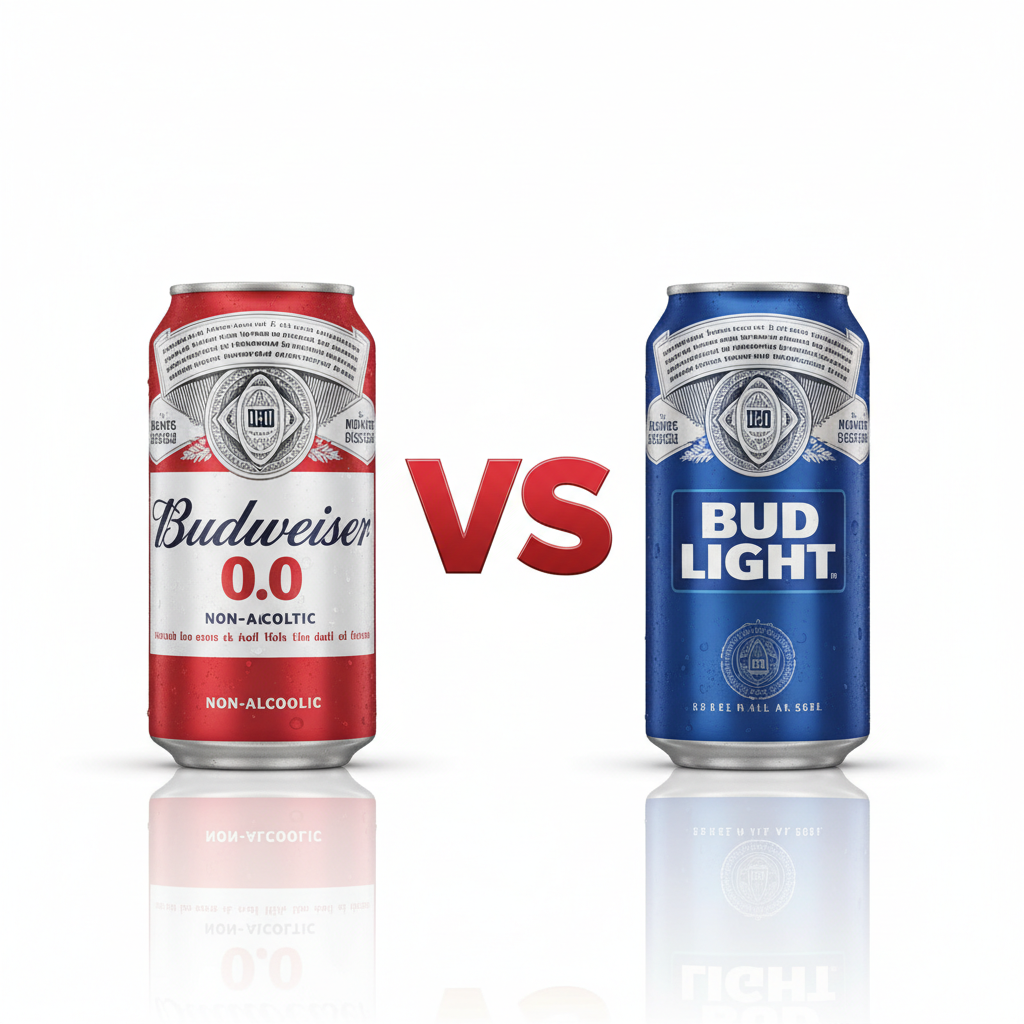
Beer enthusiasts and casual drinkers alike often find themselves caught in the ultimate debate: Budweiser vs Bud Light. They come from the same brand and look similar on the shelf, yet taste entirely different. Some swear by the rich, full-bodied flavor of Budweiser, while others prefer the lighter, more refreshing Bud Light. So, which one should you choose?
In this post, we’ll break down everything you need to know — from their origins and ingredients to taste, nutrition, marketing, and more. Whether you’re curious about calories, flavor profiles, or which beer suits different occasions, this guide has got you covered.
“They’re both from the same brand — but taste completely different. So which beer actually comes out on top?”
This is the question beer drinkers often ask. On the one hand, Budweiser, the classic American lager, boasts a long-standing reputation for rich flavor and craftsmanship. On the other, Bud Light was created to cater to those who want something lighter, with fewer calories and carbs, but still satisfying the beer craving.
Understanding the differences is more than just a matter of taste. It’s about health considerations, pairing with food, occasions, and even personal identity as a drinker. Let’s dive into the history, composition, flavor, and health aspects of these two iconic beers so you can make a fully informed choice.
2. Origin and Formula History (Winner: Budweiser)
Budweiser has been around since 1876, when Adolphus Busch introduced this now-iconic beer in St. Louis, Missouri. Inspired by the Bohemian lagers of Europe, Budweiser was crafted to be smooth, crisp, and approachable — qualities that helped it quickly gain international fame. Over the decades, it became synonymous with American beer culture, standing out for its signature formula that balances malt sweetness with mild hop bitterness.
Bud Light, on the other hand, made its debut much later in 1982. It was designed to meet the growing demand for lower-calorie beers, appealing to consumers who wanted to enjoy beer without the heaviness of traditional lagers. While Budweiser focuses on full-bodied flavor, Bud Light prioritizes drinkability and lighter refreshment.
Winner: Budweiser — for its historic legacy and classic brewing formula that has stood the test of time.
3. Ingredient Comparison (Winner: Bud Light)
Both beers share the same core ingredients: water, barley malt, rice, hops, and yeast. However, the proportions and brewing techniques make all the difference.
- Budweiser: Uses a higher percentage of malted barley, giving it a richer, fuller taste. The combination of rice and malted barley creates a subtle sweetness balanced by hop bitterness.
- Bud Light: Focuses on a lighter composition with fewer carbohydrates and less alcohol, making it easier to drink over extended periods. The brewing process ensures that it maintains flavor while reducing caloric density.
Does “light” mean less flavor? Not necessarily. Bud Light’s formulation is designed to be refreshing and easy to sip, which can be a smarter choice for calorie-conscious or casual drinkers.
Winner: Bud Light — for its lighter, more modern formulation that caters to today’s health-aware audience.
4. Taste and Mouthfeel (Winner: Budweiser)
Taste is subjective, but there’s no denying that Budweiser and Bud Light deliver different drinking experiences.
- Budweiser: Crisp and full-bodied, with a mild sweetness and a slightly malty finish. It has a robust mouthfeel, making it ideal for savoring slowly.
- Bud Light: Clean, subtle, and light on the palate. It’s refreshing but lacks the depth of flavor that Budweiser provides.
Carbonation also plays a role: Budweiser offers a satisfying fizz that complements its malt sweetness, whereas Bud Light’s lighter carbonation gives it a more refreshing, easy-drinking feel.
Winner: Budweiser — for a more satisfying and complex taste experience.
5. Health and Nutrition Comparison (Winner: Bud Light)
If you’re counting calories or carbs, this section is crucial. Here’s a side-by-side look:
| Feature | Budweiser | Bud Light |
|---|---|---|
| Calories | 145 | 110 |
| Carbs | 10.6g | 6.6g |
| Alcohol (ABV) | 5% | 4.2% |
Bud Light is lower in calories and carbohydrates, making it a better fit for those who want to enjoy beer without adding too many calories to their day. Budweiser, while slightly higher in both, delivers a fuller taste that appeals to traditional beer lovers.
Moderation is key for both — beer fits best as an occasional indulgence rather than a daily habit.
Winner: Bud Light — for those mindful of health and calorie intake.
6. Caffeine Content (Winner: Tie)
There’s often confusion about whether beer contains caffeine. Both Budweiser and Bud Light are caffeine-free.
The misconception may come from marketing around “energy” beers or cocktails that mix beer with caffeinated ingredients. Standard lagers like Budweiser and Bud Light do not contain caffeine, making them safe for anyone avoiding stimulants.
Winner: Tie — both are naturally caffeine-free.
7. Availability and Marketing (Winner: Bud Light)
Budweiser and Bud Light dominate the American beer scene, but their marketing approaches differ.
- Budweiser: Known for its classic image, nostalgic branding, and focus on tradition. Its campaigns often highlight craftsmanship and quality, appealing to older audiences and loyalists.
- Bud Light: Targets younger, active audiences with sports-centric campaigns, Super Bowl commercials, and collaborations with events. It’s heavily marketed as a go-to beer for social gatherings and parties.
Bud Light’s wider appeal in bars, stadiums, and large events has given it an edge in visibility and accessibility.
Winner: Bud Light — for its aggressive marketing strategy and widespread availability.
8. Taste Similarity: Do They Really Taste Alike? (Winner: Budweiser)
Many people argue that Bud Light is essentially a “lighter Budweiser,” and there’s some truth to that. Bud Light uses the same foundational ingredients but in lighter proportions. This creates a subtle flavor similarity, but the depth and richness found in Budweiser are noticeably missing.
If you’re seeking the classic Budweiser experience, Bud Light won’t quite match it. However, for casual sipping or pairing with light foods, the differences may be negligible.
Winner: Budweiser — for providing the authentic, original taste.
9. Long-Term Health Considerations (Winner: Bud Light)
Frequent beer consumption comes with health considerations, and here the lighter option has an advantage:
- Lower calories and alcohol content can reduce the impact on weight and metabolism.
- Regular moderation is key — even Bud Light, consumed in excess, can contribute to health issues.
- Budweiser’s higher alcohol content may lead to higher caloric intake per serving.
Nutrition experts recommend occasional indulgence rather than daily consumption, especially for those watching weight, cholesterol, or liver health.
Winner: Bud Light — for a lighter impact on long-term health.
10. Price and Accessibility (Winner: Bud Light)
Price and ease of access often influence beer choices:
- Budweiser: Slightly higher in price, available widely across the U.S. and international markets.
- Bud Light: More affordable, heavily discounted in bulk, and more prevalent in social settings like sports events and parties.
Bud Light’s lower price and wide distribution make it a practical choice for casual drinkers and larger gatherings.
Winner: Bud Light — for accessibility and affordability.
11. Which One’s Better for Different Occasions?
Different beers suit different situations:
- Budweiser: Perfect for meals, BBQs, or when you want to savor a classic lager. Its full-bodied flavor pairs well with rich foods like steaks or burgers.
- Bud Light: Great for social gatherings, sports events, or casual drinking. Its light taste and lower calories make it ideal for long sessions without feeling too heavy.
Choosing a beer can also depend on personal mood, weather, and company — Budweiser for sophistication, Bud Light for social fun.
12. The Key Differences at a Glance
| Feature | Budweiser | Bud Light | Winner |
|---|---|---|---|
| Year Launched | 1876 | 1982 | Budweiser |
| Calories | 145 | 110 | Bud Light |
| ABV | 5% | 4.2% | Budweiser |
| Carbs | 10.6g | 6.6g | Bud Light |
| Flavor | Full-bodied, crisp | Light, mild | Budweiser |
| Price | Slightly higher | More affordable | Bud Light |
| Caffeine | None | None | Tie |
13. Verdict: Which Beer Wins the Battle?
Here’s the summary:
- Budweiser: Classic taste, rich flavor, and historic reputation make it the beer of choice for traditionalists and full-flavor seekers.
- Bud Light: Lower calories, lighter taste, and broader availability make it ideal for casual drinkers, social gatherings, or those watching their diet.
Ultimately, the “winner” depends on your personal preference. Are you after flavor and tradition or lightness and convenience? Both beers have earned loyal fan bases for good reason.
14. Conclusion: The Choice Is Yours
Whether you’re sipping Budweiser for its timeless flavor or enjoying a Bud Light for its refreshing lightness, knowing the differences allows you to make smarter drinking choices.
Here’s the takeaway:
- Budweiser: Full-bodied, historic, iconic.
- Bud Light: Lighter, more accessible, calorie-conscious.
So, what’s your pick? Are you Team Budweiser or Team Bud Light — and what does your choice say about your beer personality?
Share your thoughts in the comments below, and next time, check out our upcoming comparison: Coors Light vs Miller Lite — another battle of iconic American beers.