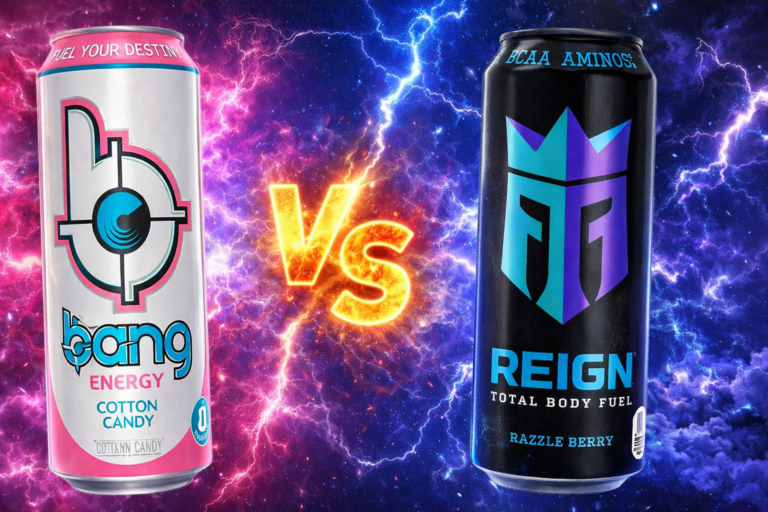
C4 vs Alani: My Honest Comparison
C4 vs Alani is an essential topic to understand. The energy drink market has exploded with options targeting fitness enthusiasts, but two brands consistently dominate gym bags and workout routines: C4 and Alani Nu. Both promise enhanced performance and sustained energy, yet they represent distinctly different approaches to pre-workout supplementation.
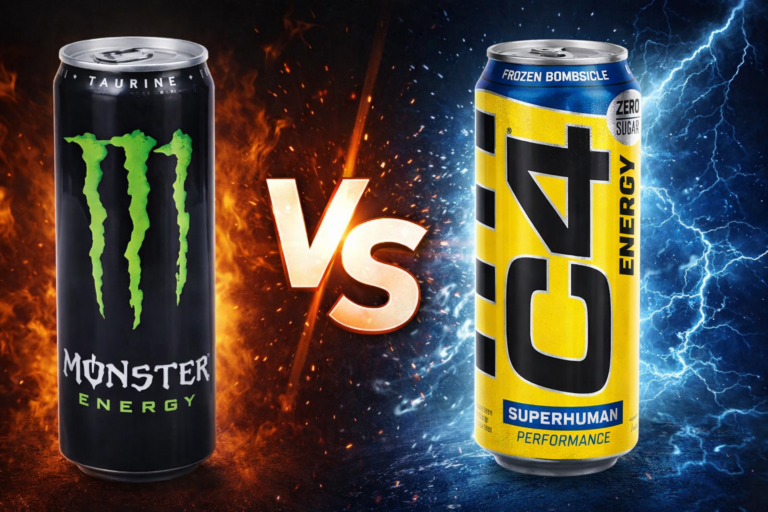
C4, developed by Cellucor, pioneered the modern pre-workout category with its signature explosive energy formula. Originally launched as a powder supplement, C4 has expanded into ready-to-drink cans, maintaining its reputation for delivering intense focus and energy through carefully calibrated caffeine and performance ingredients.
Alani Nu entered the scene later but quickly gained traction by combining effective supplementation with wellness-focused branding and Instagram-worthy aesthetics. Their energy drinks emphasize clean ingredients and functional benefits while appealing to a broader audience beyond hardcore gym-goers.
The C4 vs Alani comparison reveals fundamental differences in formulation philosophy, target demographics, and intended use cases. Research indicates that energy drinks with varying caffeine content and ingredient profiles can significantly impact exercise performance, making the choice between these brands more consequential than simple preference.
Understanding these distinctions becomes crucial when selecting the right pre-workout companion for your fitness goals and lifestyle preferences.
Overview of C4 Energy Drink
C4 Energy has established itself as a dominant force in the pre-workout and energy drink market, originally launched by Cellucor as a powder supplement before expanding into ready-to-drink formats. The brand’s reputation stems from its performance-focused formulation designed specifically for athletes and fitness enthusiasts seeking enhanced workout performance.
The signature C4 formula centers around a 200mg caffeine content per can, positioning it as a moderate-to-high stimulant option. Research examining the effectiveness of Cellucor C4 Extreme pre-workout supplements has demonstrated measurable improvements in exercise performance, particularly in lower limb power output and endurance metrics.
What sets C4 apart in the Alani Nu vs C4 comparison is its beta-alanine inclusion – a key amino acid that helps buffer muscle fatigue during high-intensity exercise. The brand also incorporates citrulline malate for enhanced blood flow and arginine for nitric oxide production, creating a comprehensive pre-workout matrix.
C4’s flavor profile tends toward traditional energy drink tastes, with popular options like Icy Blue Razz and Frozen Bombsicle. The brand markets itself heavily within fitness communities, sponsoring athletes and maintaining strong relationships with supplement retailers.
However, like many performance-focused energy drinks, C4’s high stimulant content and specialized ingredients make it primarily suitable for active individuals rather than casual consumers.
Overview of Alani Nu Energy Drink
Alani Nu has rapidly emerged as a wellness-focused challenger in the energy drink space, positioning itself as a more health-conscious alternative to traditional options. Founded by fitness influencer Katy Hearn, the brand launched with a clear mission: creating energy drinks that align with modern wellness trends while delivering effective performance benefits.
What sets Alani Nu apart is its emphasis on clean ingredients and aesthetic branding that appeals to health-conscious consumers, particularly women. The brand offers 200mg of caffeine per 12-ounce can—comparable to C4’s caffeine content—but packages it with added vitamins and natural flavors that emphasize wellness over pure performance.
The ingredient profile includes B-vitamins for energy metabolism, biotin for healthy hair, skin, and natural caffeine sources. However, health experts have raised concerns about wellness-branded energy drinks, noting that attractive packaging and health-focused marketing can obscure the high caffeine content’s potential risks. When evaluating C4 energy vs Alani energy, both deliver substantial caffeine doses but target different consumer priorities. While C4 focuses on performance enhancement with beta-alanine and other workout-specific compounds, Alani Nu emphasizes overall wellness and aesthetic appeal, making the comparison particularly relevant for consumers torn between performance and lifestyle branding.
Comparing C4 and Alani: Ingredients and Health Impact
When examining the core ingredients that define these energy drinks, significant differences emerge that impact both performance and health outcomes. C4 Extreme and standard C4 formulations typically contain beta-alanine, creatine nitrate, arginine alpha-ketoglutarate alongside 150-200mg of caffeine, and creating a comprehensive pre-workout profile designed for intense training sessions. Research indicates that chronic intake of energy drinks can lead to cardiovascular stress, particularly when combined with stimulatory amino acids. Alani Nu takes a markedly different approach, focusing on cleaner ingredient profiles with 200mg of caffeine from natural sources, L-theanine for smooth energy delivery, and biotin for metabolic support. However, both brands face scrutiny as wellness-branded energy drinks may obscure health risks through marketing positioning.
The key differentiator lies in their supplementary compounds: C4’s performance-enhancing amino acids versus Alani Nu’s adaptogenic ingredients like taurine and inositol. While C4 targets immediate workout performance, Alani Nu emphasizes sustained energy without the typical crash associated with synthetic stimulants, positioning itself as the more health-conscious option despite similar caffeine content.
Taste and Consumer Preferences
When it comes to flavor profiles, C4 and Alani Nu have taken distinctly different approaches that reflect their target audiences. C4 energy drinks typically feature bold, intense flavors like Iced Bombsicle, Strawberry Watermelon Ice, and designed to appeal to fitness enthusiasts who prioritize performance over subtlety. These flavors are often described as sweet and artificial, matching the aggressive branding that has made C4 a gym staple. Alani Nu, conversely, has crafted more sophisticated flavor profiles that align with its wellness positioning. Options like Hawaiian Shaved Ice, Cosmic Stardust offer a smoother, less aggressive taste that appeals to consumers seeking both energy, and a pleasant drinking experience. This approach extends beyond their energy drinks to products like the Alani Nu Fat Burner, maintaining consistent brand aesthetics across their supplement line. Consumer preferences reveal interesting demographic splits. Research indicates that serious athletes and bodybuilders often gravitate toward C4’s no-nonsense approach, while health-conscious consumers and casual fitness enthusiasts prefer Alani Nu’s more refined taste profiles. The packaging design reinforces these preferences—C4’s bold graphics versus Alani Nu’s Instagram-worthy aesthetic.
Understanding these taste preferences becomes crucial when selecting between the two brands, as flavor satisfaction directly impacts consistent usage and overall satisfaction with your chosen energy drink.
Example Scenarios: Choosing Between C4 and Alani
Understanding when to choose each energy drink becomes clearer through practical scenarios that align with specific fitness goals and preferences.
For Intense Weight Training Sessions A powerlifter preparing for a heavy deadlift day would likely benefit more from a C4 energy drink. Research on C4’s pre-workout formulation shows significant improvements in lower limb power output, with studies demonstrating enhanced performance metrics during high-intensity resistance training. The higher caffeine content and performance-focused ingredients make it ideal for maximum strength efforts.
For Extended Cardio Workouts A marathon runner or cyclist would find Alani Nu more suitable for endurance activities. The cleaner ingredient profile and moderate caffeine dosage provide sustained energy without the crash potential that could derail longer training sessions.
For Everyday Energy Needs Office workers seeking afternoon energy boosts often prefer Alani Nu’s smoother delivery and appealing flavors. The wellness-focused branding aligns with health-conscious consumers who want energy without feeling like they’re consuming a hardcore supplement.
For Caffeine-Sensitive Individuals Those who experience jitters or anxiety should lean toward Alani Nu’s lower caffeine content, though both drinks still contain significant stimulant levels that require careful consideration of individual tolerance.
However, these scenarios highlight important limitations that deserve careful examination when making your final choice.
Limitations and Considerations
While both C4 and Alani Nu offer distinct advantages, understanding their limitations is crucial for making an informed choice. Neither energy drink is suitable for everyone, and certain populations should exercise particular caution.
The high caffeine content in both products presents the most significant concern. C4’s 200mg per serving and Alani Nu energy drink’s 200mg can cause jitteriness, anxiety, and sleep disruption in caffeine-sensitive individuals. Current research indicates that excessive caffeine intake can lead to dependency and withdrawal symptoms when discontinued.
Timing considerations are equally important. Both drinks should be consumed at least 6-8 hours before bedtime to avoid sleep interference. Additionally, individuals taking medications or those with cardiovascular conditions should consult healthcare providers before incorporating either product into their routine.
Cost represents another practical limitation. Premium energy drinks like these can become expensive when consumed regularly, potentially ranging from $60-80 monthly for daily use. However, neither product should replace a balanced diet or adequate sleep as foundational elements of performance and energy.
Finally, both brands contain artificial ingredients and sweeteners that some consumers prefer to avoid. These formulations may not align with whole-food or minimally processed dietary approaches, making them unsuitable for certain lifestyle preferences or dietary restrictions.
Summary Table: C4 vs Alani
The following comparison table synthesizes the key differences between these popular energy drinks to facilitate quick decision-making:
| Factor | Cellucor C4 | Alani Nu |
|---|---|---|
| Primary Focus | Performance enhancement | Balanced energy + wellness |
| Caffeine Content | 150-200mg (varies by variant) | 200mg (consistent) |
| Key Ingredients | Beta-alanine, creatine nitrate, arginine | L-theanine, taurine, B-vitamins |
| Best For | High-intensity workouts, strength training | All-day energy, cognitive focus |
| Flavor Profile | Bold, intense flavors | Lighter, more refreshing |
| Price Point | $25-35 per container | $30-40 per container |
| Timing | 15-30 minutes pre-workout | Flexible throughout day |
| Side Effects | Tingles from beta-alanine | Generally milder |
| Target User | Serious athletes, bodybuilders | Fitness enthusiasts, professionals |
This direct comparison reveals that C4 excels in pre-workout performance enhancement, while Alani Nu offers more versatile energy support for various daily activities. Research indicates that performance-focused formulations like C4 show measurable improvements in exercise capacity, making the choice dependent on your specific energy needs and fitness goals.
Key Takeaways
The choice between C4 and Alani Nu ultimately depends on your specific fitness goals and lifestyle preferences. C4 emerges as the superior option for serious athletes and gym enthusiasts who prioritize maximum performance enhancement, offering higher caffeine content and research-backed ingredients like beta-alanine for improved muscular endurance. Alani Nu caters to those seeking a more balanced approach, combining moderate energy enhancement with appealing flavors and lifestyle-focused marketing.
Critical considerations include timing your consumption appropriately – both products require 15-30 minutes before workouts for optimal effectiveness. Individual caffeine tolerance varies significantly, making it essential to start with smaller servings and monitor your body’s response. Neither option suits everyone, particularly those with cardiovascular conditions or caffeine sensitivities.
The energy drink landscape continues evolving, with wellness-branded products potentially obscuring health risks through sophisticated marketing. Success with either C4 or Alani Nu requires understanding your personal needs, reading labels carefully, and consulting healthcare providers when necessary.
Your next step: honestly assess your fitness goals, current caffeine intake, and budget constraints to determine which energy drink aligns with your lifestyle and performance objectives.