Can Liquid I.V. Cause Diarrhea? What the Science Says
Liquid I.V. has become one of the most popular hydration products on the market, sitting in gym bags, beach coolers, and office drawers across the country. Most people tolerate it without issue. But a growing number of users report an unexpected side effect: digestive discomfort, and in some cases, diarrhea.
So what’s actually going on? Is Liquid I.V. to blame, or are other factors at play? The answer comes down to how your body processes concentrated electrolyte solutions—and whether your gut is well-equipped to handle them.
Liquid I.V. and Osmotic Diarrhea: How Electrolyte Concentration Affects Digestion
To understand why Liquid I.V. might cause digestive upset, you first need to understand osmotic diarrhea. This type of diarrhea occurs when a highly concentrated substance in the gut draws excess water into the intestines, resulting in loose or watery stools.
According to a review published in the National Institutes of Health (NIH), non-physiologic fluids with high osmolarity—meaning those that have a high concentration of dissolved particles—can trigger this exact mechanism. The review noted that drinks like sports drinks and soft drinks have “too little sodium and much higher osmolarity than recommended,” making them unsuitable for diarrheal treatment and potentially capable of causing osmotic diarrhea.
This matters because Liquid I.V.’s Hydration Multiplier is a concentrated formula. Each 16g stick contains 500mg of sodium and 11g of sugar. While the glucose-sodium cotransport mechanism (the scientific basis for oral rehydration solutions, or ORS) is designed to enhance fluid absorption, consuming too much of a concentrated electrolyte solution too quickly can overwhelm the gut’s absorptive capacity—and that’s when things can go wrong.
Why Hydration Speed Matters for Digestion
Liquid I.V. markets itself as a faster hydration solution than water alone. This is based on the science of oral rehydration therapy (ORT), where glucose and sodium work together to pull water across the intestinal wall more efficiently.
The catch? Speed and concentration are a double-edged sword. The WHO’s reduced osmolarity ORS—currently recommended for acute diarrhea treatment—sits at 245 mOsm/L, a formulation that proved superior to the older 311 mOsm/L standard, precisely because lower osmolarity improved water absorption and reduced stool output. When solutions are too concentrated, the gut can react by flushing water out rather than pulling it in.
Chugging Liquid I.V. rapidly, using more than the recommended one stick per day, or mixing it with less water than directed can all push the solution into hyperosmolar territory in your gut—setting the stage for loose stools.
Gut Sensitivity: Why Reactions Vary Between Individuals
Not everyone who drinks Liquid I.V. experiences digestive issues. Individual gut sensitivity plays a major role. For most healthy people, one stick mixed with 16 oz of water is well-tolerated. For others—particularly those with irritable bowel syndrome (IBS), inflammatory bowel disease (IBD), or generally sensitive digestive systems—the same serving can trigger cramping, bloating, or diarrhea.
There are a few reasons for this variability:
- Baseline gut motility: People with IBS-D (diarrhea-predominant IBS) already have an overactive gut. Introducing a concentrated electrolyte solution can accelerate transit time further.
- Microbiome composition: Gut bacteria influence how we process sugars and fermentable compounds. A disrupted microbiome may react more aggressively to ingredients like citric acid or high-sugar loads.
- Tolerance to sugar and sweet compounds: Some individuals are more sensitive to the effects of concentrated sugars, even natural ones.
Ingredient Breakdown: What May Irritate the Gut
The full ingredient list for Liquid I.V. Hydration Multiplier is: Cane Sugar, Dextrose, Citric Acid, Salt, Potassium Citrate, Sodium Citrate, Dipotassium Phosphate, Silicon Dioxide, Vitamin C (Ascorbic Acid), Natural Flavors, Stevia Leaf Extract (Rebaudioside A), and B Vitamins (B3, B5, B6, B12).
A few of these deserve a closer look:
- Cane Sugar and Dextrose: These combine for 11g of sugar per stick. A high sugar intake can draw water into the colon through osmosis, contributing to loose stools—particularly in larger doses.
- Citric Acid: A common gut irritant for sensitive individuals. It can increase intestinal motility and, in some people, cause cramping or diarrhea.
- Vitamin C (Ascorbic Acid): Each serving contains 62mg of Vitamin C. While this is within a normal daily range, high doses of Vitamin C are a well-known cause of osmotic diarrhea. For people already consuming Vitamin C from other sources, cumulative intake could become an issue.
- Stevia Leaf Extract: Some individuals report digestive sensitivity to stevia, though this response is not universal.
- Potassium Citrate and Dipotassium Phosphate: These potassium compounds are generally well-tolerated at normal doses, but potassium in large amounts can affect gut motility.
Notably, Liquid I.V. does not contain sugar alcohols (like sorbitol or mannitol), which are a much more common cause of diarrhea in competing products. This gives Liquid I.V. a digestive edge over some alternatives.
Liquid I.V. vs. Competitors: Comparing Digestive Side Effects
Compared to many hydration mixes on the market, Liquid I.V. is reasonably gut-friendly for most people. Its biggest advantage is the absence of sugar alcohols. Products that use sorbitol, xylitol, or mannitol as sweeteners are significantly more likely to cause diarrhea, as these compounds are poorly absorbed and draw water into the intestines.
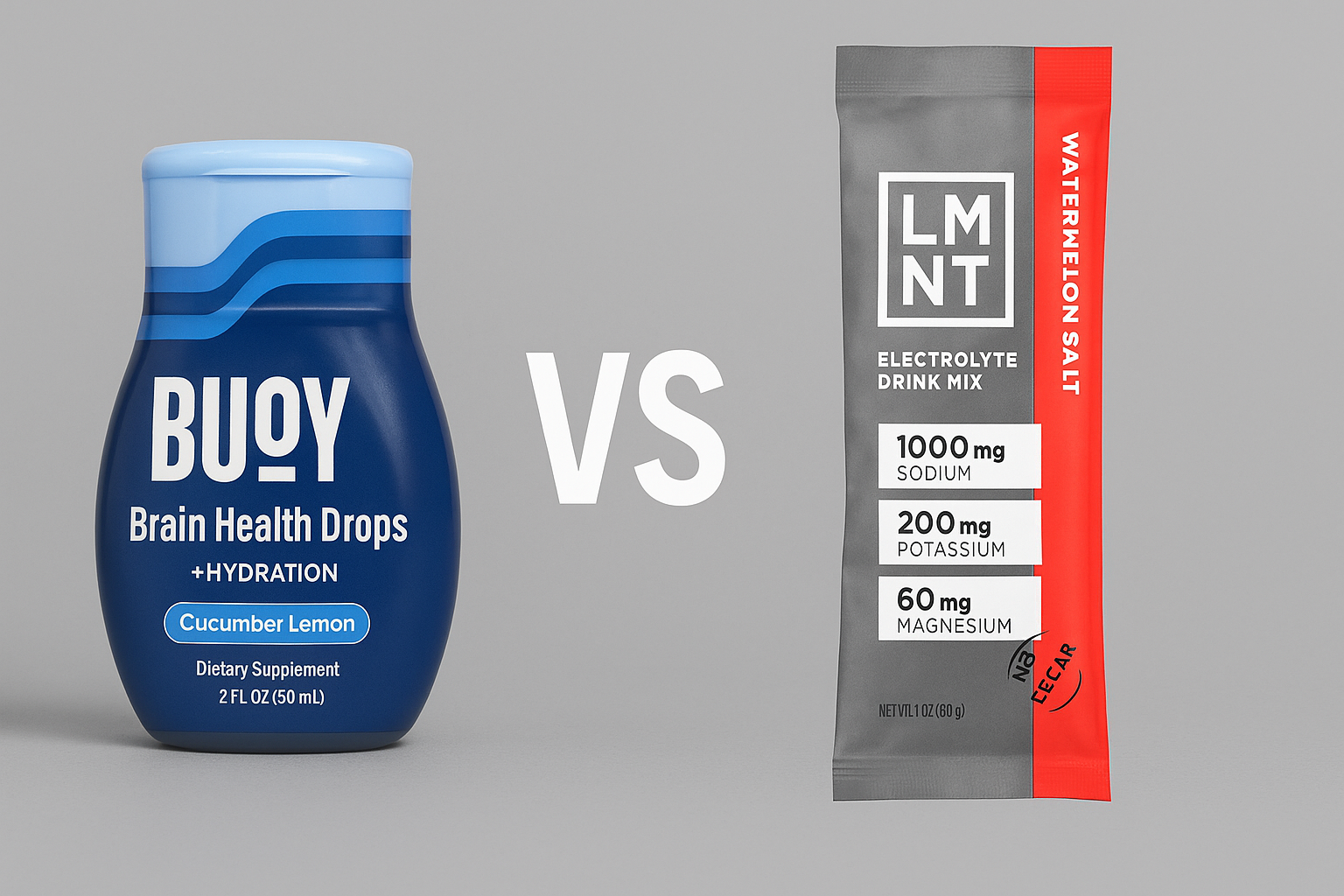
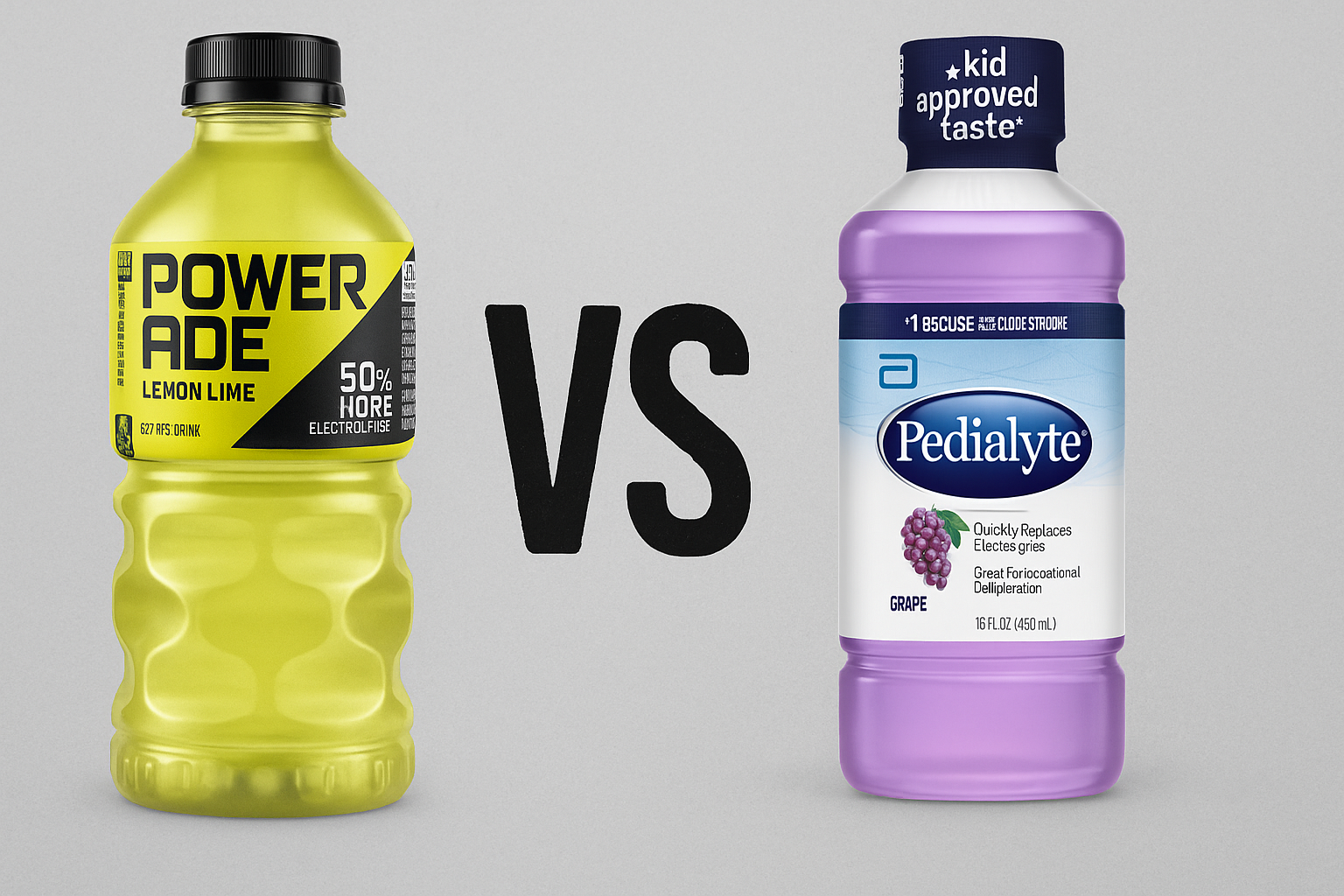
Where Liquid I.V. may fall short is its relatively high sugar content and sodium load per serving. Some competitors offer lower-sugar or electrolyte-only formulations that may be better tolerated by people with sensitive stomachs. Pedialyte, for example, uses sucralose as a sweetener, which doesn’t ferment in the gut or trigger osmotic effects the way sugar can.
That said, no hydration product is universally problem-free. The “right” choice depends on your individual gut health, how you’re using the product, and what you’re using it for.
Liquid I.V. and IBS: Is It Safe for People With Sensitive Stomachs?
For people with IBS or other GI sensitivities, Liquid I.V. isn’t necessarily off-limits—but it does require some caution. The high sodium content and sugar load may not sit well with those who are prone to digestive flare-ups.
A few practical considerations:
- Dilute it more than directed: Mixing a stick with 20–24 oz of water instead of 16 oz reduces the osmolarity of the solution, making it gentler on the gut.
- Start with half a stick: If you’ve never used Liquid I.V. before and have a sensitive stomach, start with half a serving and assess your tolerance before going to a full dose.
- Avoid it on an empty stomach: Concentrated electrolyte solutions can be harder to tolerate when there’s no food in your digestive system to buffer them.
- Don’t use it as an everyday drink: Liquid I.V. recommends one stick per day. Using it as a regular water replacement—rather than a targeted hydration boost—can increase the risk of cumulative sugar intake affecting your digestion.
If you have a diagnosed GI condition, speaking with your doctor before incorporating any new supplement, including hydration packets, is always a good idea.
Best Practices for Consuming Hydration Packets Without Digestive Distress
Whether or not you have a sensitive stomach, these guidelines will help you get the benefits of Liquid I.V. while keeping your digestion on track:
- Use the recommended serving: One stick per 16 oz of water, once per day.
- Sip slowly: Downing a full glass rapidly dumps a large volume of concentrated solution into your gut at once. Sipping steadily gives your body time to absorb it.
- Stay within the daily limit: More isn’t better. Excess sugar and sodium can disrupt gut function.
- Pair with food: Having a light snack alongside your Liquid I.V. can reduce digestive sensitivity.
- Monitor your vitamin C intake: If you take vitamin C supplements or eat a diet rich in citrus, keep track of your total daily intake to avoid crossing the threshold that can trigger osmotic diarrhea.
The Bottom Line on Liquid I.V. and Diarrhea
For most people, Liquid I.V. is a well-tolerated and effective hydration tool. Diarrhea from Liquid I.V. typically results from consuming too much too fast, individual gut sensitivity, or a reaction to specific ingredients like citric acid or concentrated sugars—not from the product being inherently harmful.
If you’ve experienced digestive issues after using Liquid I.V., experiment with diluting the serving further, reducing to half a stick, or switching to a sugar-free or low-sugar alternative. And if symptoms persist, it’s worth consulting a healthcare professional to rule out an underlying GI condition.
Hydration is important—just make sure the method you choose works with your body, not against it.