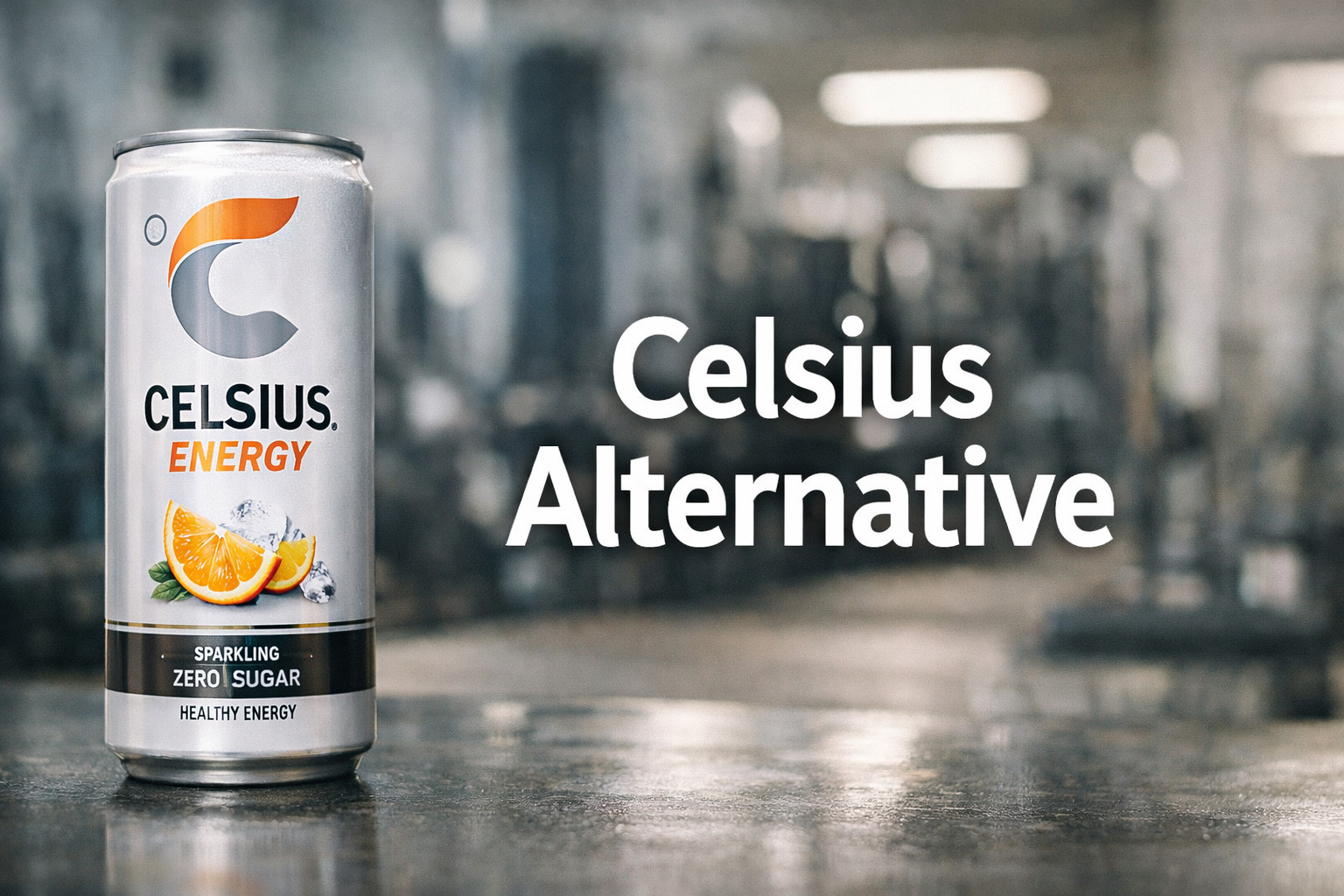
Does Celsius Have Caffeine? Everything You Need to Know
Celsius has exploded in popularity over the past few years, lining gym bags and office desks alike. But with that popularity has come a growing wave of questions—and concerns—about what’s actually inside each can. Chief among them: how much caffeine does Celsius contain, and what does that mean for your body?
The short answer is yes, Celsius absolutely contains caffeine. A standard 12 fl oz can of Celsius or Celsius Vibe contains 200 mg of caffeine, according to the brand’s own published facts. The Celsius Essentials line steps it up even further, packing 270 mg per can. To put those numbers in context, the FDA considers up to 400 mg of caffeine per day generally safe for most healthy adults—so a single standard can of Celsius gets you halfway there.
That’s significant. Understanding exactly how that caffeine behaves in your body, who should be cautious, and how Celsius stacks up against other beverages can help you make a genuinely informed choice about whether—and how much—to drink.
Why Some People Feel Jitters After Drinking Celsius
That familiar shaky, wired feeling is one of caffeine’s most well-known side effects. According to the FDA, jitters are a recognized symptom of consuming too much caffeine, alongside increased heart rate, anxiety, upset stomach, and headaches. Caffeine works by blocking adenosine receptors in the brain—adenosine is the compound responsible for making you feel drowsy. When those receptors are blocked, your brain ramps up activity, which is exactly what gives you that alert, energized feeling. The flip side is that some people get far more stimulation than they bargained for.
The degree to which you experience jitters depends heavily on individual factors. Body weight, caffeine sensitivity, medications, and existing health conditions all play a role in how your body processes caffeine. Two people can drink the same can of Celsius and have completely different experiences. Celsius itself acknowledges this, noting on its website that those who have adverse reactions likely have pre-existing health conditions, are consuming too many cans, or are drinking too much caffeine overall.
If you’re new to energy drinks, Celsius recommends starting with no more than one can in a 24-hour period. Jumping straight into two cans a day without building any tolerance is a reliable recipe for jitters—or worse.
How Celsius Caffeine Affects Heart Rate
Caffeine is a central nervous system stimulant, and its effects extend well beyond the brain. One of its most direct physiological impacts is on the cardiovascular system. Research published by the National Institutes of Health notes that caffeine’s effects on the heart are primarily stimulatory, increasing coronary blood flow through a mechanism involving phosphodiesterase inhibition.
At normal consumption levels for healthy adults, this elevation in heart rate is temporary and not considered dangerous. But “normal” matters here. Consuming caffeine in excess—or if you have an underlying heart condition—can push things into more problematic territory. The FDA lists heart palpitations and increased heart rate among the signs that you’ve had too much caffeine.
Johns Hopkins Medicine also notes that for children and teens, excess caffeine consumption can trigger arrhythmias, or abnormal heartbeats, alongside rapid breathing and high blood pressure. For adults with a history of heart issues, it’s worth having a conversation with your doctor before making Celsius a daily habit. Celsius itself recommends consulting a healthcare provider if you have any concerns about how its products may affect you.
Is Celsius Caffeine Safe for Teenagers?
This is one of the more pressing questions surrounding Celsius, particularly as the brand has built a strong following among high school and college-aged consumers. The answer from medical authorities is unambiguous: energy drinks are not appropriate for adolescents.
The American Academy of Pediatrics (AAP) states that energy drinks should not be consumed by children or adolescents at all, citing the high levels of caffeine these products contain. The American Academy of Child and Adolescent Psychiatry (AACAP) goes further, recommending that teens aged 12 to 18 consume no more than 100 mg of caffeine per day—and avoid energy drinks entirely.
A standard Celsius contains 200 mg. That’s double the recommended daily maximum for a teenager in a single can.
Johns Hopkins Medicine explains why younger consumers are particularly vulnerable: developing brains, decreased impulse control, and smaller body sizes all make teens more susceptible to caffeine’s effects. The consequences can include sleep disturbances, heightened anxiety, increased aggression, and behavioral and mental health issues. Nearly one-third of teens aged 12 to 17 consume energy drinks regularly, according to data cited by Johns Hopkins Medicine—a pattern that health professionals find deeply concerning.
For parents, the clearest guidance is to check labels and ensure teenagers are not exceeding 100 mg of caffeine daily. A single Celsius blows past that limit before lunch.
What About Sleep?
Sleep is one of caffeine’s most significant casualties when consumed at the wrong time—or in too large an amount. Caffeine’s mean half-life in plasma is approximately 5 hours, according to research from the National Institutes of Health, though that range can stretch anywhere from 1.5 to 9.5 hours depending on the individual and various physiological factors, including pregnancy, obesity, and oral contraceptive use.
What that half-life means in practical terms: if you drink a standard 200 mg Celsius at 3 PM, approximately 100 mg of caffeine may still be circulating in your system at 8 PM. For anyone sensitive to caffeine’s stimulant effects, that’s enough to meaningfully delay sleep onset and reduce overall sleep quality. The FDA lists insomnia and sleep disruptions among the recognized signs of excess caffeine consumption, and Johns Hopkins Medicine notes that children who consume caffeine can develop difficulty sleeping even at lower doses.
The takeaway is straightforward—timing matters as much as quantity. Even within safe consumption limits, drinking Celsius in the afternoon or evening may significantly disrupt your sleep, particularly if you’re already a lighter sleeper or have a slower caffeine metabolism.
Mental Health and Caffeine
The relationship between caffeine and mental health is real, and often underappreciated. At moderate doses for healthy adults, caffeine supports alertness and can improve mood. But push past your personal threshold, and those same stimulant effects can tip into anxiety, restlessness, and agitation.
The FDA identifies anxiety as a symptom of too much caffeine. Johns Hopkins Medicine takes it further, noting that excess caffeine in children and teens can contribute to behavioral and mental health issues, including increased aggression, anxiety, stress, and depression. The same mechanism behind caffeine’s wakefulness-promoting effects—blocking adenosine receptors and indirectly influencing dopamine, norepinephrine, and serotonin levels—is responsible for the anxious, overstimulated feeling that can follow when you’ve had too much.
For adults already managing anxiety or mood disorders, high-caffeine beverages like Celsius deserve particular attention. Individual caffeine sensitivity varies enormously, and some people experience pronounced psychological effects at doses that others handle easily. If you notice that Celsius regularly leaves you feeling anxious, irritable, or on edge, that’s worth taking seriously.
Celsius vs. Coffee: Which Has More Caffeine?
Coffee is the world’s most culturally entrenched caffeine source, so comparing Celsius against it is a natural starting point. According to USDA FoodData Central data, brewed coffee contains approximately 37 mg of caffeine per 100 g, which translates to roughly 95–100 mg in a standard 8 fl oz cup. The FDA frames its 400 mg adult daily limit as equivalent to about two to three 12 fl oz cups of coffee.
A single standard can of Celsius (12 fl oz) contains 200 mg—roughly equivalent to two cups of brewed coffee. The Celsius Essentials line, at 270 mg per can, comfortably exceeds a triple shot of espresso. For someone who grabs a Celsius thinking of it as a coffee substitute, the caffeine picture is quite different from a standard morning brew. It’s more like two cups compressed into a single, fast-drinking can.
The practical difference is also in how quickly you consume it. Coffee is typically sipped slowly over 20 to 30 minutes. An energy drink can be consumed much faster, potentially delivering a sharper caffeine spike rather than a steadier rise in plasma levels.
Comparing Celsius with Other Caffeinated Beverages
Celsius sits in the middle-to-upper range of the energy drink category. According to the FDA, energy drinks generally contain between 41 and 246 mg of caffeine per 12 fl oz, and 54 to 328 mg per 16 fl oz. At 200 mg per 12 fl oz can, standard Celsius is toward the higher end of that spectrum.
For comparison:
- Brewed coffee (8 fl oz): ~95–100 mg
- Celsius / Celsius Vibe (12 fl oz): 200 mg
- Celsius Essentials (12 fl oz): 270 mg
- Espresso (1 fl oz): ~63 mg
- Regular soda (12 fl oz): typically 35–55 mg
- Black tea (8 fl oz): typically 40–70 mg
The gap between Celsius and a standard soda or cup of tea is substantial. Those who are accustomed to tea or light coffee as their primary caffeine source may find Celsius represents a significant jump in stimulant load, even if the can looks similar to other beverages on a shelf.
How B-Vitamins in Celsius Affect Energy
Celsius contains a blend of B-vitamins—including B12 in the form of cyanocobalamin—which is a common point of confusion. Many people assume the B-vitamins are contributing to the energy boost. The reality is more nuanced.
B-vitamins play a crucial role in energy metabolism. Research from the National Institutes of Health describes how thiamin, riboflavin, niacin, vitamin B6, and pantothenic acid support the metabolic reactions needed for the body to extract and utilize energy from food. Without adequate B-vitamins, your body cannot efficiently process carbohydrates, proteins, and fats into usable energy.
What B-vitamins do not do is act as stimulants. They don’t cross the blood-brain barrier and trigger alertness the way caffeine does. If you’re B-vitamin deficient, supplementation may help you feel less fatigued over time. But for someone with no deficiency, the extra B-vitamins in a can of Celsius won’t deliver any immediate energy effect. The stimulant sensation you feel from Celsius comes from the caffeine—not the vitamins.
Regarding safety concerns about cyanocobalamin, Celsius has addressed these directly. The FDA officially approves cyanocobalamin as safe, and the NIH states there is no unsafe level of vitamin B12. Claims suggesting otherwise have been publicly retracted by the individuals who originally made them.
How Much Caffeine Comes From Green Tea Extract in Celsius?
Celsius lists both green tea extract and guarana seed extract on its ingredient label, alongside added caffeine. The caffeine in Celsius is sourced in part from guarana extract, a plant-derived form of caffeine that the NCAA has confirmed is not specially banned under its drug-testing program—guarana is simply one source of caffeine among many.
However, Celsius does not publicly disclose the specific breakdown of how much of the total 200 mg of caffeine per can comes from green tea extract versus guarana extract versus added caffeine separately. What the brand does confirm clearly is the total caffeine figure: 200 mg per standard can.
It’s worth noting that the FDA states there is no meaningful difference in how the body handles naturally occurring caffeine versus caffeine added from extracts or supplements. Your body processes caffeine from green tea extract exactly the same way it processes caffeine from a cup of coffee. The source doesn’t change the stimulant effect or the safety considerations.
The Bottom Line on Celsius and Caffeine
Celsius is a legitimate energy drink with a meaningful caffeine load. At 200 mg per standard can, it’s not something to drink absentmindedly or in multiples. For most healthy adults who stay within the FDA’s recommended limit of 400 mg per day, moderate Celsius consumption can fit into a balanced routine—provided you’re accounting for all other sources of caffeine in your diet and timing your intake well before sleep.
For teenagers, those sensitive to caffeine, people managing anxiety or heart conditions, or anyone pregnant or breastfeeding, the guidance is clear: consult a healthcare professional, or avoid high-caffeine beverages altogether. The science on this is consistent and comes from credible sources—the AAP, AACAP, FDA, and Johns Hopkins Medicine all point in the same direction.
Knowing what’s in your can is the first step. What you do with that knowledge is up to you.