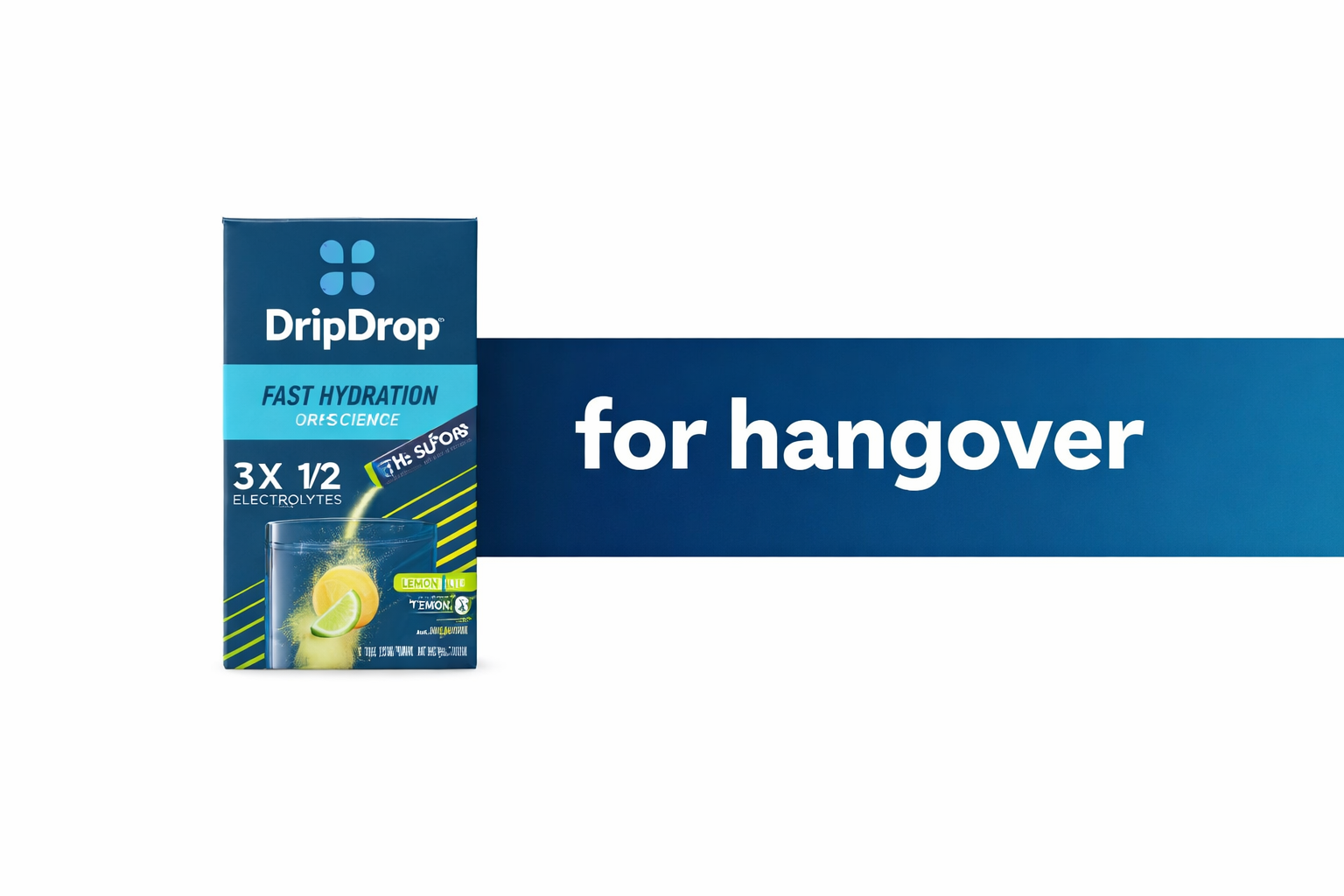
I’ll be honest. I didn’t try DripDrop because I’m some elite hydration expert. I tried it because I woke up with a pounding headache, a dry mouth, and that heavy, foggy feeling that tells you last night was fun but this morning is not. I’ve done the usual hangover fixes. Water chugging. Greasy food. Swearing I’ll never drink again. This time, I wanted something that actually felt like it was doing more than just sloshing around in my stomach.
That’s how DripDrop entered my life. I mixed it into a bottle, took a sip, and hoped for the best. What happened next surprised me enough that I figured it was worth writing about, especially if you’ve ever stared at your ceiling the morning after and wondered if there’s a better way to recover.
Why Hangovers Happen
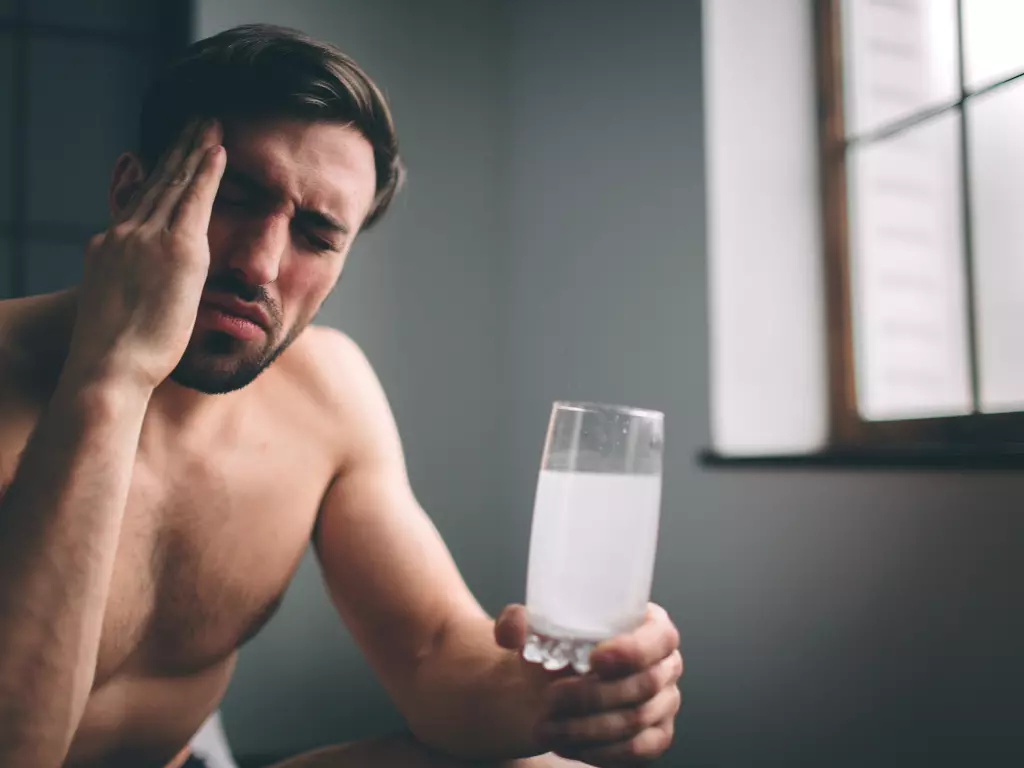
Before I really paid attention to hydration, I thought hangovers were just the price you pay for drinking. Headache, nausea, zero energy, that weak, shaky feeling. Turns out there’s a pretty clear reason all of that hits at once.
Alcohol messes with your body’s ability to hold onto fluids. It suppresses something called antidiuretic hormone, which normally tells your body to retain water. When that switch is basically turned off, you pee more than usual. A lot more. That’s why you wake up dry, foggy, and already behind.
The bigger problem is that you’re not just losing water. You’re also flushing out electrolytes like sodium, potassium, and magnesium. Those are the minerals your body needs to keep nerves firing, muscles working, and headaches at bay. When they’re depleted, everything feels harder. Even getting out of bed.
That’s why pounding plain water the next morning sometimes doesn’t fix much. You’re replacing fluid, but not the stuff that helps your body actually recover. Once I understood that, it made a lot more sense why targeted rehydration worked better for me than just chugging another glass and hoping for the best.
How DripDrop Works
What I learned pretty quickly is that DripDrop isn’t just flavored powder pretending to be helpful. It’s built around something called oral rehydration solution, or ORS. I won’t get overly technical, but the basic idea is this: there’s a specific ratio of sodium and glucose that helps your body pull water in faster and actually use it.
When you’re hungover, plain water can feel like it just sits there. You drink a lot, but you don’t feel better right away. ORS works differently because the sodium and glucose team up and move water across your gut lining more efficiently through what’s called the sodium-glucose transport system. Basically, your body absorbs the fluid instead of letting it pass through.
That’s the big reason DripDrop feels different from most sports drinks. It’s not overloaded with sugar, and it’s not just about taste. It’s designed to rehydrate you quickly, which matters when alcohol has already drained your system. From my experience, it felt like my body actually responded instead of slowly catching up hours later.
Key facts
When I started digging into DripDrop, these were the points that kept coming up, and honestly, they helped explain why it felt different from the usual sports drinks I’ve tried.
- It contains about three times more sodium than typical sports drinks, which matters when you’ve lost a lot through alcohol-induced dehydration.
- Each serving has around 30 calories and roughly 6 grams of sugar, so it’s not overloaded or syrupy.
- It’s been used in medical, military, hospital, and athletic settings, not just marketed to weekend drinkers.
- The formula is designed for rapid rehydration, not slow sipping and hoping for the best.
- It comes in portable single-serve packets, which I appreciated when I didn’t want to measure or think too hard the morning after.
Ingredients
When I looked at the ingredient list for DripDrop, I liked that it was pretty straightforward. Nothing flashy, nothing that felt like it was there just for marketing.
Here’s what stood out to me:
- Sodium – this is the big one. It helps your body absorb fluids instead of just flushing them out again.
- Potassium – important for restoring electrolyte balance, especially when you feel weak or shaky.
- Magnesium – supports muscle and nerve function, which explains why I didn’t feel as stiff or rundown later in the day.
- Vitamin C and zinc – added for immune support, which feels like a nice bonus when your body’s already stressed.
What I appreciated most was the lower sugar content compared to typical sports drinks. It didn’t taste overly sweet, and I didn’t get that weird sugar rush or crash afterward. For a hangover, that matters. The last thing I want is something that makes my stomach turn or spikes my blood sugar when I’m already feeling rough.
What the studies actually say
I wanted to see if there was real science behind this or if it was all just good branding. The honest answer is somewhere in the middle. There aren’t many clinical studies that look specifically at hangovers. No one is out there running trials to “cure” the morning after.
That said, hydration research around oral rehydration solutions is well established, and that’s the foundation DripDrop is built on. Studies on electrolyte and glucose balance show that this kind of formula helps the body absorb fluids more efficiently than plain water. Some research also suggests it can outperform certain sports drinks when it comes to rehydration.
So the benefit here isn’t that DripDrop magically fixes a hangover. It doesn’t. What it does do, in my experience, is help you rehydrate faster. And since dehydration is a major driver of hangover symptoms, better hydration can make a noticeable difference in how quickly you start feeling human again.
Taste, convenience, and cost (the real-world stuff)
I’ll start with taste, because if something works but is miserable to drink, I’m not sticking with it. DripDrop was way more pleasant than the medical-style rehydration drinks I’ve tried before. It didn’t have that salty, hospital vibe. The fruit flavors were light and easy to get down, even when my stomach wasn’t thrilled with me.
The convenience factor is honestly a big win. The single-serve packets are small enough to toss in a bag, pocket, or glove compartment. That makes it useful for travel, nights out, festivals, or just keeping one on hand for the morning after when you don’t want to think or measure anything.
As for cost, it’s more expensive than plain water but cheaper than a lot of “hangover cure” products that overpromise and underdeliver. For me, it felt like a reasonable trade-off for something I’d actually use and finish.
From what I’ve seen, user reviews tend to line up with my experience. Most people mention that it’s easy to drink and that it helps them feel better faster. No hype, just a solid hydration boost when you need it most.
How it compares to other options I’ve tried
I’ve experimented with pretty much every hangover hydration trick at this point, so it helped me to see where DripDrop actually fits compared to the usual choices.
Plain water is always better than nothing, but on its own it feels incomplete. I’d drink a lot of it and still feel off because it doesn’t replace the electrolytes alcohol drains from your body.
Sports drinks seem like an obvious upgrade, but many of them are loaded with sugar and don’t have enough sodium to really help with serious dehydration. I’ve also found them way too sweet when I’m hungover.
Coconut water is a nice natural option and does contain some electrolytes, but the ratios aren’t designed for rapid rehydration. Sometimes it helps a bit, sometimes it doesn’t move the needle much.
Homemade electrolyte mixes can work if you know exactly what you’re doing, but that’s a big if. Getting the balance right takes effort, and the morning after drinking is not when I want to measure salt and sugar.
Compared to all of those, DripDrop felt like the most reliable and low-effort option. It’s specifically designed for rehydration, not just hydration, and that distinction made a difference for me.
How I actually use DripDrop
What I liked about DripDrop is that it’s flexible. You don’t have to wait until you’re already miserable to use it. Over time, I’ve figured out a few moments when it helps the most.
Before drinking:
If I remember ahead of time, I’ll drink a packet earlier in the day or before going out. Starting hydrated makes a bigger difference than I used to think. It doesn’t make me invincible, but it gives me a better buffer.
During drinking:
On longer nights, I’ll mix one with water and sip it between alcoholic drinks. It helps slow things down and keeps dehydration from sneaking up on me as fast.
The morning after:
This is when it matters most. I usually mix one to two packets with water and sip it instead of chugging. It’s easier on my stomach and helps me feel clearer faster.