You’ve just finished a grueling workout, stepped off a long-haul flight, or survived a night out with friends. Your body is screaming for hydration, and water alone doesn’t feel like enough. You head to the store and find yourself staring at rows of premium electrolyte drinks, each promising rapid rehydration and superior recovery.
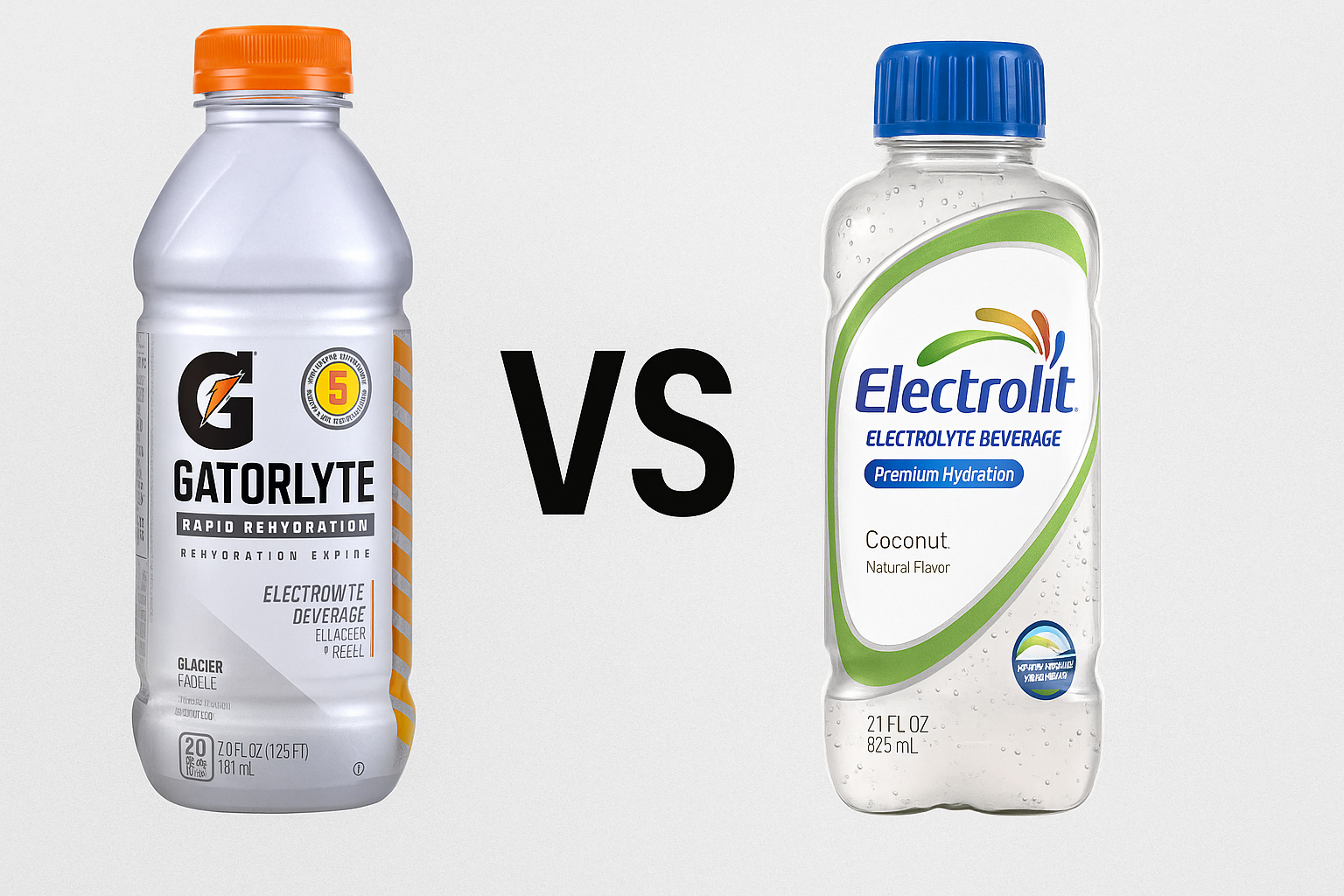
Two names stand out: Gatorlyte and Electrolit.
Both are backed by science and popular among athletes, travelers, and health-conscious consumers. Both claim to replenish electrolytes faster than traditional sports drinks. But they differ significantly in formulation, taste, price, and ideal use cases.
This guide compares Gatorlyte vs Electrolit across five critical dimensions: electrolyte content, sugar and sweeteners, flavor variety, best use scenarios, and price. By the end, you’ll know exactly which drink fits your hydration needs.
What Are Gatorlyte and Electrolit?
Gatorlyte is Gatorade’s premium rehydration line, formulated with a specialized blend of five electrolytes: sodium, potassium, chloride, magnesium, and calcium. It contains significantly less sugar than traditional sports drinks and comes in a 20 fl oz bottle. Gatorlyte markets itself as scientifically formulated for rapid rehydration, making it a go-to choice for athletes and anyone experiencing heavy fluid loss.
Electrolit is a science-backed oral rehydration solution (ORS) inspired by World Health Organization standards. It delivers six vital ions—sodium, potassium, chloride, magnesium, calcium, and lactate—in a 21 fl oz bottle. With over 70 years of heritage and widespread popularity in Latin America, Electrolit is designed to hydrate faster than water alone by combining glucose with electrolytes.
Both drinks leverage the sodium-glucose co-transport mechanism, which helps your body absorb water more efficiently than plain water or standard sports drinks.
Electrolyte Showdown: Comparing the Numbers
When it comes to electrolytes, the differences between Gatorlyte and Electrolit are significant.
| Electrolyte | Gatorlyte (20 oz) | Electrolit (21 oz) |
|---|---|---|
| Sodium | 490 mg | 430 mg |
| Potassium | 350 mg | 490 mg |
| Chloride | 1,040 mg | 670 mg |
| Magnesium | 105 mg | 30 mg |
| Calcium | 120 mg | 50 mg |
| Lactate | Not included | Included (Sodium Lactate) |
What these differences mean:
Gatorlyte delivers higher sodium, chloride, magnesium, and calcium—ideal for heavy sweating during intense physical activity. Sodium and chloride work together to enhance fluid absorption and maintain proper hydration levels. Magnesium helps reduce muscle cramping, a common issue during prolonged exercise.
Electrolit offers more potassium and includes lactate (sodium lactate), which supports muscle recovery and provides energy. Potassium regulates thirst levels and helps maintain proper fluid balance in your cells.
Both beverages provide significantly more electrolytes than standard sports drinks, which typically contain around 350 mg total electrolytes per serving.
Key electrolyte roles:
- Sodium: Acts like a magnet, pulling water into your cells for faster absorption
- Potassium: Regulates muscle function and maintains fluid balance
- Chloride: Works with sodium to reduce fluid loss
- Magnesium: Supports muscle contraction and relaxation, reducing cramps
- Calcium: Aids metabolic processes and energy production
- Lactate: Provides energy for muscles and helps balance pH during intense activity
Sugar, Sweeteners, and Calories: The Sweet Truth
Sugar content is where Gatorlyte and Electrolit diverge most dramatically.
Gatorlyte:
- 12 g total sugars per 20 oz bottle (all added)
- 50 calories per bottle
- Sweetened with sugar and purified stevia leaf extract
- No artificial sweeteners or flavors
Electrolit:
- 31 g total sugars per 21 oz bottle (all added)
- 130 calories per bottle
- Sweetened with dextrose monohydrate, steviol glycosides (stevia-derived), and sucralose
Gatorlyte contains 60% less sugar than leading sports drinks. This makes it an excellent choice for anyone watching their sugar intake while still needing effective hydration.
Both drinks use glucose (or dextrose, a form of glucose) for a specific scientific reason: to activate the sodium-glucose co-transport mechanism. This process allows your intestines to absorb water and electrolytes more rapidly than water alone. The glucose isn’t just empty calories—it’s functional.
If you prefer natural sweeteners and lower sugar, Gatorlyte is the clear winner. Electrolit’s formulation includes sucralose, an artificial sweetener, which may not align with everyone’s dietary preferences.
Gatorade also offers Gatorlyte Zero, which contains zero sugar and zero calories while maintaining the same electrolyte profile. It uses artificial sweeteners instead of glucose, making it ideal for strict low-carb or keto dieters who still need electrolyte replenishment.
Flavor Variety: Finding Your Perfect Match
Gatorlyte offers a more limited selection of flavors, including:
- Orange
- Cherry Lime
- Watermelon
- Strawberry Kiwi
Electrolit boasts an extensive range of 16+ flavors:
- Fruit Punch
- Blue Raspberry
- Coconut
- Cucumber Lime
- Grape
- Green Apple
- Guava
- Hibiscus (Jamaica)
- Lemon Lime
- Mango
- Orange
- Passion Fruit
- Strawberry
- Strawberry Kiwi
- Watermelon Lime
- Berry Bliss
Electrolit’s variety pack options make it easy to sample multiple flavors and discover your favorite.
Based on user reviews, Gatorlyte tends to have a cleaner, less sweet taste thanks to stevia and lower sugar content. Some find it refreshing and not overly sugary. Electrolit is often described as more flavorful and refreshing, with natural fruit flavors that don’t taste medicinal or overly artificial.
Flavor preference is subjective. The best approach is to try both brands and see which resonates with your palate.
Best Use Cases: When to Choose Gatorlyte vs Electrolit
Choose Gatorlyte if:
- You’re engaging in intense, prolonged exercise (marathon training, long cycling sessions, heavy gym workouts) and need maximum electrolyte replenishment, especially sodium and chloride
- You prefer lower sugar and natural sweeteners
- You want a drink formulated specifically for rapid rehydration after heavy sweating
- You’re following a low-calorie or low-sugar diet
- You need Gatorlyte Zero for zero-sugar hydration
Choose Electrolit if:
- You need general rehydration after mild to moderate dehydration (travel, heat exposure, a night out, mild illness)
- You prefer a sweeter, more flavorful drink with a wider variety of taste options
- You value the inclusion of lactate for muscle recovery and performance support
- You want a beverage inspired by WHO oral rehydration standards
- You’re recovering from dehydration caused by diarrhea or vomiting (ORS-inspired formulation)
Both drinks are highly effective for rehydration. The “best” choice depends on your activity level, taste preferences, and dietary goals. Neither should replace water as your everyday hydration source due to sugar and calorie content.
Price and Accessibility: Which Offers Better Value?
Pricing:
- Gatorlyte: Approximately $2.50–$2.82 per 20 oz bottle at retailers like H-E-B and Randalls
- Electrolit: Approximately $2.82–$2.99 per 21 oz bottle at Walmart, Target, and Brookshire’s
Cost per fluid ounce:
- Gatorlyte: ~$0.13–$0.14 per fl oz
- Electrolit: ~$0.13–$0.14 per fl oz
Pricing is nearly identical, though Electrolit offers slightly more volume (21 oz vs 20 oz).
Availability:
Both Gatorlyte and Electrolit are widely available at major grocery stores, pharmacies, and online retailers like Amazon and Walmart. Electrolit has historically been more popular in Latin American markets but is now gaining significant traction across the U.S.
Multi-pack options can offer savings. Check local stores or use retailer apps to find the best deals and confirm stock availability.
Gatorlyte Zero vs Electrolit: A Third Option
Gatorlyte Zero is a zero-sugar, zero-calorie alternative to standard Gatorlyte. It maintains the same robust electrolyte profile (490 mg sodium, 350 mg potassium, 1,040 mg chloride, 105 mg magnesium, 120 mg calcium) but uses artificial sweeteners instead of glucose.
This makes Gatorlyte Zero ideal for strict low-carb or keto dieters who need electrolyte replenishment without any sugar intake. However, it lacks the glucose component that enhances water absorption through sodium-glucose co-transport.
Electrolit, by contrast, includes glucose specifically to boost absorption and rehydration speed. If you prioritize rapid hydration and don’t mind consuming some sugar, Electrolit’s formulation may be more effective.
FAQs: Your Gatorlyte vs Electrolit Questions Answered
Which has more electrolytes, Gatorlyte or Electrolit?
Gatorlyte has a higher total electrolyte content, especially sodium, chloride, and magnesium. Electrolit offers more potassium and includes lactate, which Gatorlyte does not.
Is Gatorlyte or Electrolit better for hangovers?
Both can help with hangover-related dehydration. Electrolit’s higher potassium content may help with muscle cramps and fatigue, while Gatorlyte’s higher sodium aids faster fluid absorption. Either is a solid choice.
Can I drink Gatorlyte or Electrolit every day?
Both are formulated for rehydration during or after dehydration events (exercise, illness, heat exposure). They contain added sugars and electrolytes that may exceed daily needs if consumed regularly without cause. Water remains the best choice for everyday hydration.
Are Gatorlyte and Electrolit safe for kids?
Both are generally safe for children over 4 years old. However, consult a pediatrician for specific health concerns or if using these drinks to treat illness-related dehydration in young children.
Do Gatorlyte and Electrolit contain artificial colors or flavors?
Gatorlyte states “no artificial sweeteners or flavors” but may contain artificial colors like Yellow 6 (in Orange flavor). Electrolit uses natural flavors but includes the artificial sweetener sucralose and may contain artificial colors like FD&C Red 40 (in Fruit Punch).
The Verdict: Which Hydration Drink Should You Choose?
Both Gatorlyte and Electrolit are excellent choices for rapid hydration and significantly outperform standard sports drinks in electrolyte content.
Gatorlyte is your best bet if you need maximum electrolyte replenishment during intense exercise, prefer lower sugar, and want natural sweeteners. It’s scientifically formulated for athletes and heavy sweaters.
Electrolit shines for general rehydration needs, offers more flavor variety, includes lactate for muscle recovery, and follows WHO-inspired ORS standards. It’s ideal for travel, heat exposure, mild illness, or post-celebration recovery.
The best approach? Try both to see which flavor and formulation you prefer. Choose based on your specific hydration needs, activity level, and dietary preferences.
Stay hydrated, listen to your body, and use these premium electrolyte drinks strategically for optimal performance and recovery.
Have you tried Gatorlyte or Electrolit? Share your experience in the comments below!