Feeling drained—even though you’re drinking plenty of water?
That was me.
I carried a water bottle everywhere. I hit my hydration goals. Still, I battled post-workout fatigue, afternoon energy crashes, and the occasional dehydration headache—especially after intense gym sessions or long, hot days.
Eventually, I started asking a better question:
Do electrolyte drinks actually work? And if they do… which one works better?
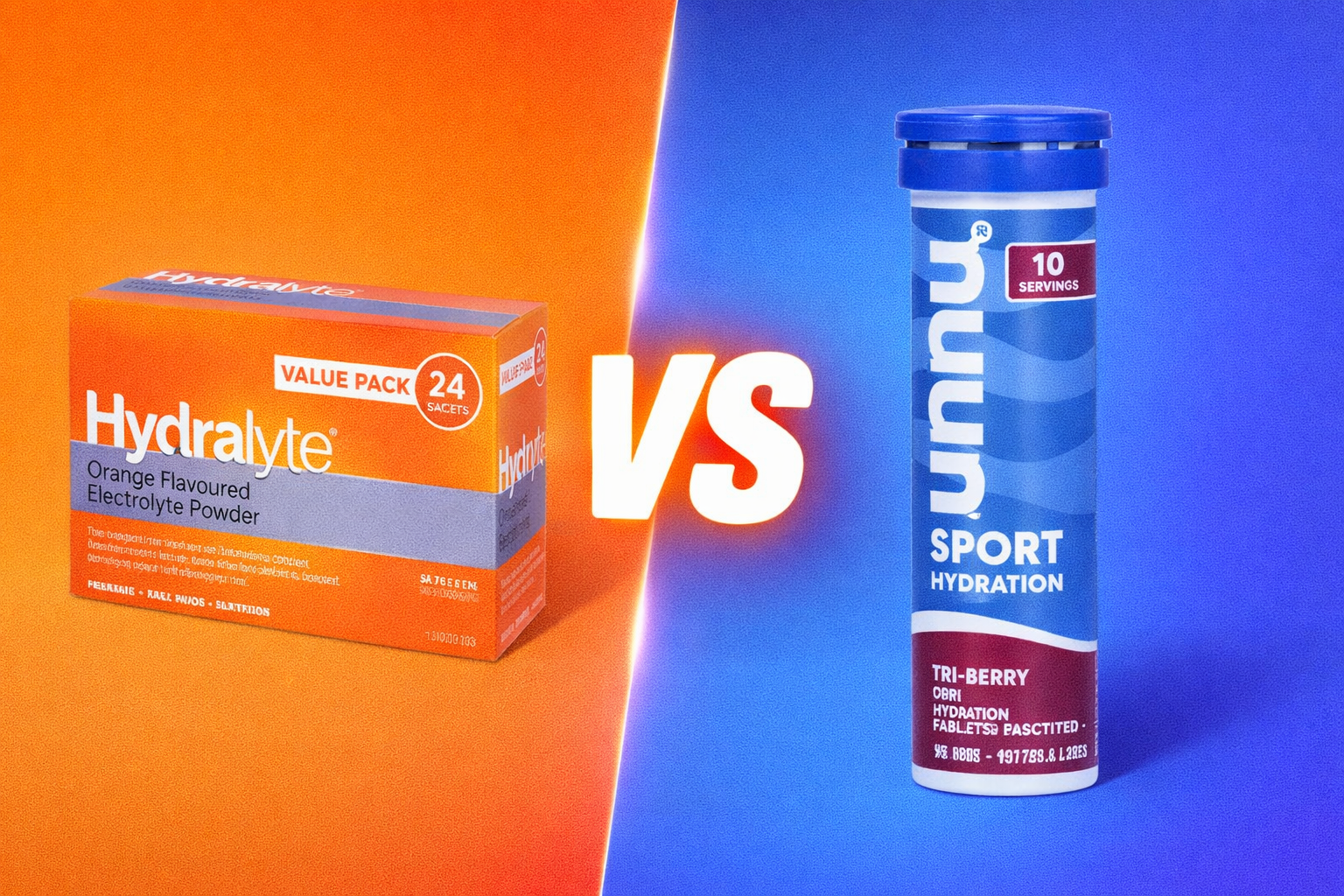
To find out, I ran a 10-day head-to-head experiment comparing Hydralyte and Nuun—two of the most popular hydration options available today.
Here’s what I tracked:
- Energy levels
- Thirst and overall hydration
- Workout recovery
- Headaches
- Bloating
- Taste and convenience
By Day 4, one drink genuinely surprised me.
By Day 8, the winner was becoming obvious.
If you’re looking for a real-world Hydralyte vs Nuun comparison—not a sponsored review—this is the honest breakdown.
Quick Verdict (For the Impatient Reader)
Best for Intense Dehydration: Hydralyte
Best for Daily Hydration & Workouts: Nuun
But that’s only part of the story. Let’s unpack the details.
Why I Tested Electrolyte Drinks for 10 Days
Before we dive into results, here’s what pushed me to run this experiment.
Like most people, I used to think dehydration was obvious—dry mouth, extreme thirst, maybe dizziness. But subtle dehydration is far more deceptive.
Here’s what I experienced:
- Persistent afternoon fatigue
- Post-workout headaches
- Muscle soreness lingering longer than usual
- Cravings for salty foods
Let me ask you:
Have you ever felt tired even after drinking enough water?
Here’s the reality: water alone doesn’t replace electrolytes. When you sweat, your body loses sodium, potassium, and other essential minerals. Without replacing them, you can feel sluggish—even if you’re technically hydrated.
That’s where electrolyte drinks enter the picture.
Electrolyte tablets and oral rehydration solutions have exploded in popularity. Athletes swear by them. Travelers pack them. Many people rely on them during illness recovery.
But not all hydration drinks are created equal.
That’s why I wanted a true Hydralyte vs Nuun test—no assumptions, just results.
Hydralyte vs Nuun — What’s the Real Difference?
Before starting the experiment, I examined how each brand positions itself.
Hydralyte
Hydralyte markets itself as a medical-style oral rehydration solution built for rapid fluid replacement.
Key characteristics:
- Higher sodium levels
- Designed for fast rehydration
- Commonly used during illness, heat exhaustion, or severe dehydration
- Available in powders, tablets, and ready-to-drink options
It feels clinical because it’s engineered for recovery.
Nuun
Nuun takes a lifestyle-driven approach.
Key characteristics:
- Effervescent electrolyte tablets
- Typically lower in sugar
- Designed for workouts and daily hydration
- Popular with runners, cyclists, and gym enthusiasts
If Hydralyte feels therapeutic, Nuun feels athletic.
Side-by-Side Snapshot
| Feature | Hydralyte | Nuun |
|---|---|---|
| Primary Focus | Rapid rehydration | Fitness & daily hydration |
| Sodium Level | Higher | Moderate |
| Sugar Content | Low to moderate | Usually low |
| Best For | Illness, heavy sweating | Workouts, everyday use |
Now the real question: how do those differences show up in real life?
The Experiment Rules
To keep things fair, I followed a structured plan:
- Same workout routine throughout
- Consistent sleep schedule
- Similar daily water intake
- No additional hydration products
- Alternating days (5 Hydralyte, 5 Nuun)
I drank each in the morning and again post-workout.
No bias. No brand loyalty. Just honest observation.
Days 1–3: First Impressions
Taste & Mixability
Hydralyte hit first—and it hit strong. The saltiness was noticeable, though not unpleasant. It tasted purposeful, almost clinical.
Nuun felt completely different. Light, slightly fizzy, and more like a flavored sparkling drink than a recovery formula.
Mixability:
- Hydralyte dissolved smoothly
- Nuun fizzed dramatically before settling
Already, the experiences felt distinct.
Stomach Comfort
Hydralyte felt substantial. Not heavy—but present.
Nuun felt lighter and easier to sip throughout the day.
That difference mattered more than I expected.
Immediate Hydration Effect
Within 30 minutes of drinking Hydralyte after a hard workout, I noticed:
- Reduced thirst
- Clearer focus
- Less lingering fatigue
Nuun helped too—but the effect built gradually rather than immediately.
At this point, I assumed Hydralyte would dominate.
I was wrong.
Days 4–7: Energy, Workouts, and Recovery
This is where the experiment became interesting.
Workout Performance
Hydralyte:
- Faster post-sweat replenishment
- Slightly reduced muscle soreness
- Noticeable recovery boost
Nuun:
- Stable energy during workouts
- No heavy after-feel
- Easy to drink consistently
For moderate sessions, Nuun quietly performed extremely well.
Afternoon Energy
Hydralyte sometimes felt excessive on lighter training days.
Nuun, however, felt perfectly calibrated for steady daily hydration.
Headache Response
When I was already dehydrated, Hydralyte worked faster.
When I stayed consistent with Nuun, headaches were less likely to appear in the first place.
That’s when the realization hit:
These drinks aren’t direct competitors. They solve different problems.
Days 8–10: The Turning Point
By Day 8, something unexpected happened.
Flavor fatigue set in.
Hydralyte remained effective—but I didn’t crave it daily. The intensity became noticeable.
Nuun’s lighter taste, by contrast, made long-term consistency easy.
Another insight emerged:
Hydralyte felt incredible when I truly needed aggressive rehydration.
But on normal days, it felt unnecessary.
That shifted everything.
Hydration isn’t about maximum power. It’s about appropriate power.
What Surprised Me Most
Three lessons stood out.
1. Sodium Is the Real Differentiator
Higher sodium levels clearly accelerated recovery after heavy sweating.
2. More Isn’t Always Better
High-intensity hydration isn’t necessary for everyday activity.
3. Context Determines the Winner
There is no universal “best electrolyte drink.” There’s only the best one for your situation.
Pros and Cons After 10 Days
Hydralyte
Pros
- Rapid rehydration
- Strong electrolyte concentration
- Excellent for illness or extreme sweat
- Noticeable recovery support
Cons
- Intense flavor over time
- Often unnecessary for light activity
- Less enjoyable for casual sipping
Nuun
Pros
- Ideal for daily hydration
- Portable and convenient
- Lighter, refreshing taste
- Excellent for moderate exercise
Cons
- Less aggressive for severe dehydration
- Slower impact in extreme heat
The Honest Winner
👉 Best for Intense Dehydration: Hydralyte
If you train hard, sweat heavily, travel frequently, or need rapid rehydration, Hydralyte wins.
It performs like a recovery tool—because that’s exactly what it is.
👉 Best for Daily Hydration & Workouts: Nuun
For steady, sustainable hydration, Nuun is the better long-term companion.
Here’s the simplest way to put it:
Hydralyte is a solution.
Nuun is a routine.
Who Should Choose What?
Choose Hydralyte If You:
- Sweat heavily
- Train intensely
- Travel often
- Experience dehydration headaches
- Need fast recovery
Choose Nuun If You:
- Exercise moderately
- Want daily electrolyte balance
- Prefer lighter flavors
- Value convenience and portability
Match the drink to your demand level—not the marketing.
The Biggest Electrolyte Mistake
The most common mistake?
Assuming all electrolyte drinks do the same job.
Some are built for medical-style rehydration and high sodium replacement.
Others are designed for everyday performance and moderate sweat.
Using the wrong intensity for your needs can either feel ineffective—or excessive.
Hydration works best when it’s intentional.
Final Thoughts: Was It Worth It?
Absolutely.
I started this experiment expecting a clear winner. Instead, I found something better—a clearer understanding.
- Both Hydralyte and Nuun work
- They serve different hydration demands
- The best choice depends entirely on your lifestyle
Hydration isn’t one-size-fits-all. It’s strategic.
If you’re constantly tired despite drinking enough water, electrolytes may help—but only if you choose the right type.
So let me leave you with this:
Are you drinking electrolytes because your body needs them—or because they’re trending?
And if you had to commit to one for the next 30 days…
Which would you choose?