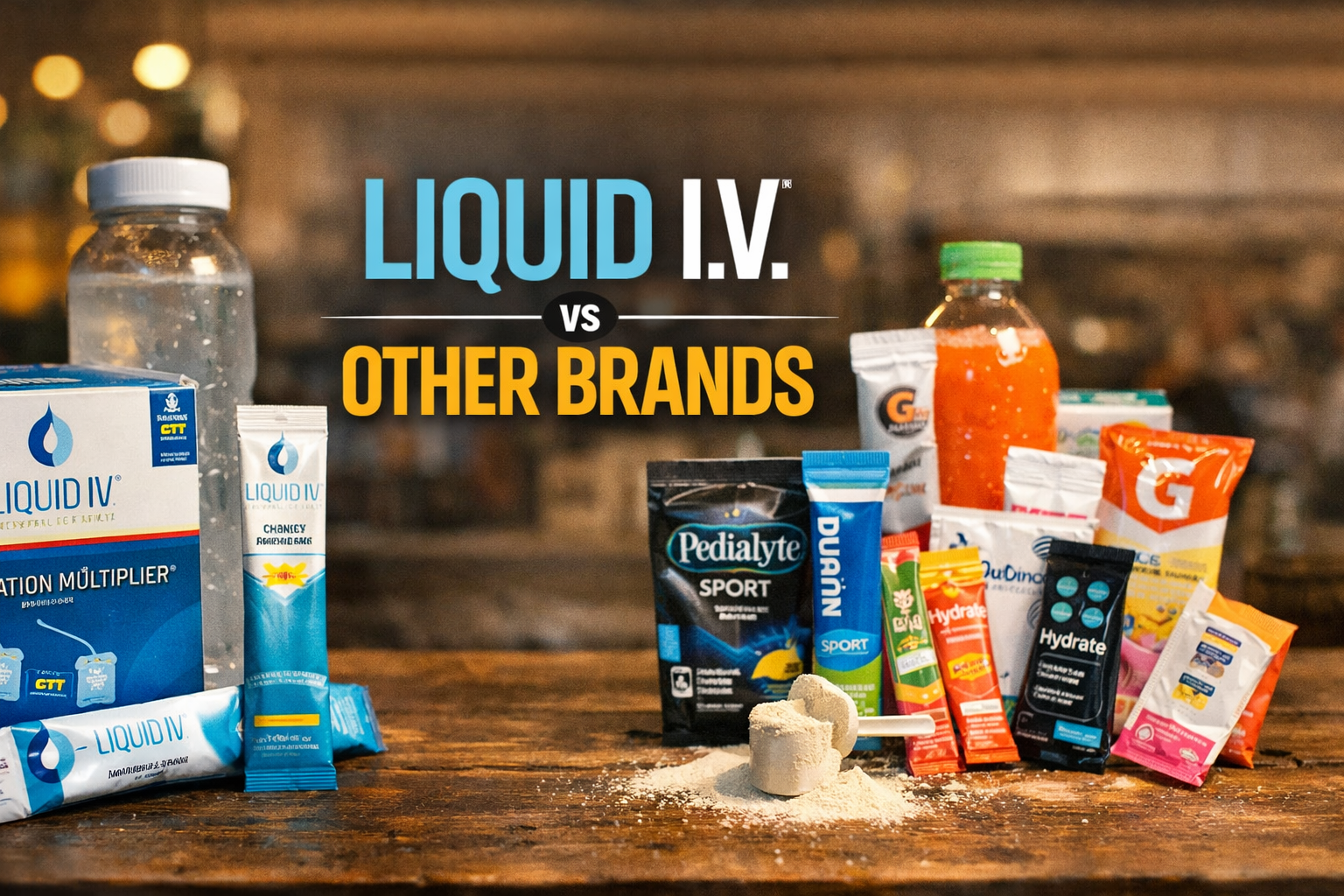
Liquid I.V. vs. Other Brands: Which Hydration Hack Actually Works?
You’ve likely seen the golden packets everywhere. They’re in the checkout line at Costco, sponsored by your favorite podcast hosts, and stashed in the gym bags of fitness influencers. Liquid I.V. has taken the hydration market by storm, promising to hydrate you faster and more efficiently than water alone. But in a saturated market filled with tablets, powders, and neon-colored sports drinks, does it actually hold up against the competition?
Dehydration is a subtle thief of productivity and performance. It causes brain fog, fatigue, and headaches long before you actually feel thirsty. For years, the solution was simple: drink more water. But for athletes, travelers, and busy professionals, sometimes water isn’t enough. You need electrolytes—sodium, potassium, and magnesium—to help your body absorb fluid effectively.
This brings us to the central battle of the beverage aisle: Liquid I.V. versus everyone else. Is the “Cellular Transport Technology” just marketing jargon, or is it a scientific breakthrough? How does it compare to the classic Gatorade, the clinical Pedialyte, or the fizzy Nuun tablet?
In this comprehensive guide, we are breaking down the science, the ingredients, and the cost to help you decide which hydration multiplier deserves a spot in your pantry.
The Science of Hydration: What is Cellular Transport Technology?
To understand why Liquid I.V. claims to be superior to plain water, we have to look at how the human body absorbs fluids. When you drink water, it passes through your digestive system and into your bloodstream. However, this process can be slow, especially if your body is already depleted of essential minerals.
Liquid I.V. relies on a specific ratio of nutrients based on the World Health Organization’s guidelines for Oral Rehydration Solutions (ORS). This science was originally developed to save lives in developing countries where severe dehydration from diseases like cholera was a major killer.
The brand calls their version “Cellular Transport Technology” (CTT). The premise is simple but precise: by combining sodium, glucose (sugar), and potassium in a specific ratio, water is pulled into your bloodstream faster.
Here is the mechanism at play:
- Sodium: Acts as the carrier.
- Glucose: Opens the cell door.
- Water: Follows them both in.
This co-transport mechanism allows water to bypass the slower digestive processes and enter the bloodstream rapidly. This is why Liquid I.V. (and other ORS formulas) contains sugar. It isn’t there for taste alone; it is a functional ingredient necessary to trigger this rapid absorption pump. If you remove the sugar entirely, you lose the specific “active transport” benefit of an ORS.
Deep Dive: Inside the Liquid I.V. Packet
Before comparing it to others, let’s establish the baseline. What exactly are you drinking when you mix a stick of Liquid I.V. into your water bottle?
The Ingredients
The flagship product, the Hydration Multiplier, is relatively clean compared to traditional sodas or energy drinks, but it is not calorie-free.
- Pure Cane Sugar: The first ingredient. As mentioned, this is functional for CTT, but it does add calories.
- Dextrose: Another form of simple sugar to aid absorption.
- Citric Acid: For flavor and preservation.
- Salt (Sodium): The key electrolyte for fluid retention.
- Potassium Citrate: An essential mineral often lost through sweat.
- Stevia Leaf Extract: A natural sweetener used to balance the flavor profile without adding more sugar.
- Vitamins: B3, B5, B6, B12, and Vitamin C.
Electrolyte Ratios
A standard serving contains about 500mg of sodium and 370mg of potassium. This is significantly higher than what you find in standard water or casual beverages, making it a heavy hitter for replenishment after intense sweat sessions or illness.
Flavors and Palate
Taste is subjective, but it matters when you are trying to force yourself to drink 16 ounces of fluid. Liquid I.V. is known for strong, distinct flavors like Lemon Lime, Passion Fruit, and Acai Berry. The texture is slightly thicker than plain water due to the solute concentration, giving it a “silky” mouthfeel that some users love and others find syrupy.
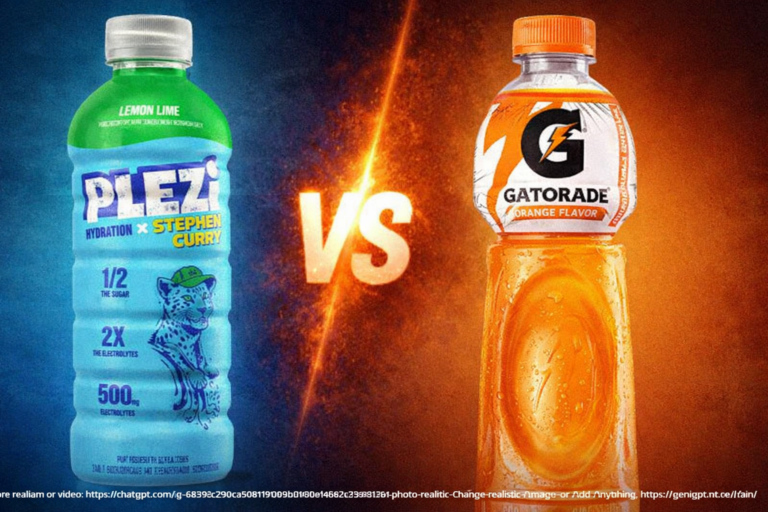
Round 1: Liquid I.V. vs. Gatorade and Traditional Sports Drinks
Gatorade is the Goliath of hydration. It has been on the sidelines of NFL games for decades. You can buy it at any gas station for a couple of dollars. So, why pay a premium for a powder stick?
The Sugar Dilemma
A standard 20oz bottle of original Gatorade contains roughly 34 grams of sugar. While athletes need glycogen stores replenished, this amount of sugar is excessive for the average person sitting at a desk. Liquid I.V. contains about 11 grams of sugar per serving. While not sugar-free, it offers a much more efficient hydration-to-sugar ratio.
Electrolyte Density
This is where Liquid I.V. pulls ahead. Gatorade is largely flavored water with a pinch of salt. Liquid I.V. generally contains 3x the electrolytes of traditional sports drinks. If you are running a marathon, Gatorade might provide the quick caloric energy you need, but for pure hydration efficiency, Liquid I.V. provides more sodium and potassium without the massive sugar crash.
Convenience
Sports drinks are bulky. You have to carry the bottle. Liquid I.V. is portable. You can keep a stick in your pocket, wallet, or purse and mix it whenever you have access to tap water. This portability factor is a major selling point for travelers.
The Verdict: Unless you are an endurance athlete who specifically needs high-carbohydrate fuel during a 3-hour race, Liquid I.V. is the superior choice for hydration.
Round 2: The Specialty Competitors
The real battle isn’t against Gatorade; it’s against the other “science-backed” hydration brands. Let’s look at the three biggest rivals: Nuun, DripDrop, and Pedialyte.
Liquid I.V. vs. Nuun
Nuun is a favorite among runners and hikers because it comes in effervescent tablets.
- Form Factor: Tablets vs. Powder. Nuun requires you to wait for the tablet to dissolve (creating fizz), while Liquid I.V. requires shaking (no fizz).
- Sugar Content: Nuun Sport typically contains only 1g of sugar. This makes it excellent for people watching their calorie intake or those on keto diets. However, because it lacks the glucose levels required for the specific sodium-glucose transport mechanism, it may not hydrate you quite as rapidly as Liquid I.V., though it is still effective for electrolyte replenishment.
- Taste: Nuun is much lighter and less sweet. Liquid I.V. has a stronger, sweeter flavor profile.
Winner: Nuun for daily, low-calorie sipping. Liquid I.V. for recovery after heavy sweating.
Liquid I.V. vs. DripDrop
DripDrop is perhaps the closest direct competitor to Liquid I.V. Both were developed based on ORS science.
- The Science: Both brands stick strictly to the ORS formula.
- Sodium Content: DripDrop is slightly more aggressive, often containing around 330mg of sodium per 8oz serving (so 660mg for a 16oz bottle equivalent), which is comparable or slightly higher than Liquid I.V. depending on the dilution.
- Ingredients: Both use sugar for transport. DripDrop adds magnesium to their formula, which Liquid I.V. flagship products traditionally did not prioritize (though they have expanded their lines). Magnesium is crucial for muscle recovery and preventing cramps.
Winner: It’s a draw. DripDrop often wins on taste (less salty perception) and the inclusion of magnesium, while Liquid I.V. wins on B-Vitamin complex inclusion and accessibility in stores.
Liquid I.V. vs. Pedialyte
Pedialyte was the original hangover cure and sick-day savior long before hydration brands became trendy.
- Medical Grade: Pedialyte is marketed as a medical solution. It is what doctors recommend for sick children.
- Ingredients: Pedialyte generally has less sugar than sports drinks but often contains artificial sweeteners (like Sucralose) to keep calories down while maintaining sweetness. Liquid I.V. uses Stevia and pure cane sugar.
- Zinc: Pedialyte often includes Zinc, which is excellent for immune support during illness.
- Taste and Texture: Pedialyte has a distinct “thick” texture and a medicinal taste that many adults find unappealing unless they are actually sick.
Winner: Pedialyte for actual illness (stomach flu, food poisoning). Liquid I.V. for lifestyle hydration (exercise, travel, hangovers).
Cost-Benefit Analysis: What Are You Paying For?
Hydration multipliers are not cheap. When you buy a case of water, you are paying pennies per bottle. When you buy these powders, the cost per serving jumps significantly.
prices are approximate and subject to change based on bulk purchasing
- Gatorade Powder: ~$0.30 – $0.50 per serving. The budget option.
- Nuun: ~$0.70 – $0.85 per tablet. Moderate pricing.
- Liquid I.V.: ~$1.30 – $1.60 per stick. Premium pricing.
- DripDrop: ~$1.20 – $1.50 per stick. Premium pricing.
- Pedialyte: ~$2.00+ per serving (liquid liters are expensive).
Is Liquid I.V. worth the premium?
If you drink three a day just because they taste good, you are looking at a $100+ monthly habit. However, if you treat it as a functional supplement—used only after workouts, flights, or nights out—the $1.50 cost is cheaper than a coffee and provides significant physiological benefits.
Buying in bulk (Costco or Amazon subscriptions) can drive the Liquid I.V. price down closer to the $1.00 mark, making it much more competitive with Nuun.
Lifestyle Applications: Who Needs What?
Not everyone needs a sodium bomb in their water bottle. Your choice should depend entirely on your activity level and health goals.
The Endurance Athlete
If you are training for a marathon, doing CrossFit, or hiking in July, you are losing massive amounts of salt through sweat.
- Recommendation: Liquid I.V. or DripDrop. You need the sugar for energy and the high sodium content to prevent cramping and hyponatremia.
The Office Warrior
If you sit at a desk for 8 hours and just forget to drink water, you don’t necessarily need the extra sugar or 500mg of sodium.
- Recommendation: Nuun or just plain water. The low sugar content of Nuun helps you drink more water because of the flavor, without spiking your insulin while you sit sedentary.
The Traveler
Airplanes are dehydration chambers. The humidity in a cabin is incredibly low.
- Recommendation: Liquid I.V. The individual packets pass TSA easily, and the rapid absorption helps combat the dry air and jet lag fatigue.
The “Morning After”
We’ve all been there. Alcohol is a diuretic, meaning it flushes fluids out of your system.
- Recommendation: Pedialyte or Liquid I.V. You need the fastest possible rehydration. The sugar helps spike your blood sugar slightly (helping the shakes), and the B-vitamins in Liquid I.V. can help replenish what alcohol depleted.
Final Verdict: Is Liquid I.V. the Champion?
Liquid I.V. has earned its spot at the top of the food chain, but it isn’t a magic bullet for every situation.
It excels in rapid hydration. The science behind the sodium-glucose transport is sound, and for people who are truly dehydrated—whether from sweat, travel, or alcohol—it works noticeably faster than water alone. It tastes better than Pedialyte and is more portable than Gatorade.
However, it is likely overkill for casual sipping. If you are watching your sugar intake or simply want flavored water to accompany your lunch, there are cheaper, lower-calorie options like Nuun or generic electrolyte drops.
The Bottom Line:
Stock Liquid I.V. in your pantry as a tool, not a beverage. Use it when your body is under stress, when you’re sweating, or when you’ve had one too many margaritas. For those moments, it is worth every penny. For everything else? A reusable bottle and tap water are still the undefeated champions of health.