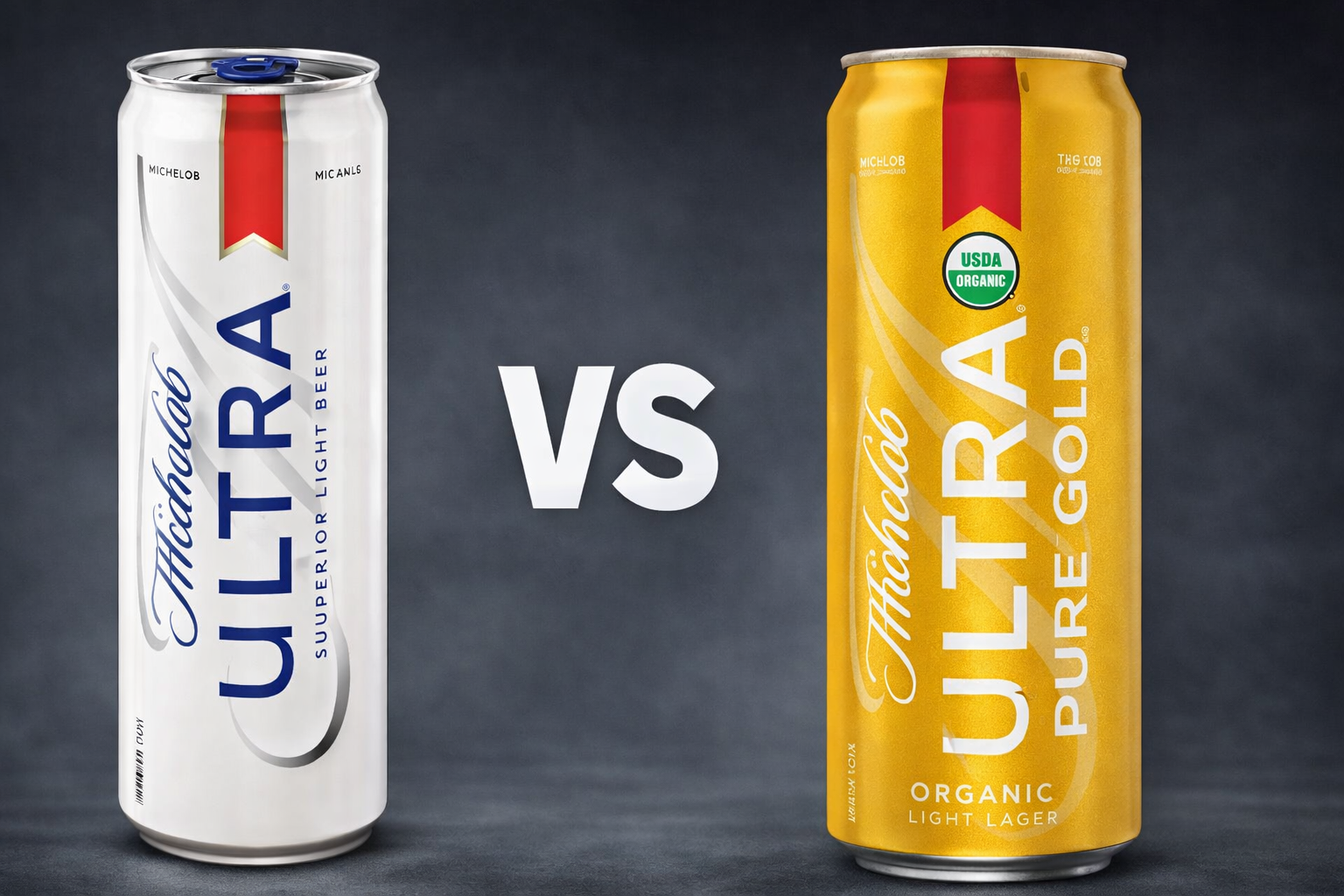
In 2026, drinking habits are shifting quickly. More consumers are reading nutrition labels, tracking calories, and choosing beverages that support a balanced lifestyle. As a result, light beers have surged in popularity. They promise fewer calories while still delivering the familiar experience drinkers enjoy.
But when comparing Michelob Ultra vs Pure Gold, one question keeps resurfacing:
👉 Is the organic option genuinely healthier — or simply brilliant marketing?
At first glance, the difference looks obvious: 95 calories versus 85. However, meaningful health decisions are rarely that straightforward.
In this guide, you’ll discover:
- The true nutritional differences
- What “USDA-certified organic” actually means
- How alcohol influences weight and metabolism
- Which beer better fits your lifestyle
Let’s start with the numbers most readers want to see first.
Quick Nutrition Snapshot (For Readers Who Want Fast Answers)
When evaluating light beers, nutrition often drives the decision. Here’s a simple side-by-side comparison:
| Beer | Calories (12 oz) | Carbs | ABV | Organic? |
|---|---|---|---|---|
| Michelob ULTRA | 95 | ~2.6g | 4.2% | No |
| Michelob ULTRA Pure Gold | 85 | ~2.5g | 3.8% | Yes |
Key Takeaway
Pure Gold has about 10 fewer calories and slightly lower alcohol content.
That sounds like an easy victory — but not so fast.
A 10-calorie gap may look impressive on a label, yet the real question is:
👉 Does it meaningfully improve your health?
To answer that, we need to look beyond the surface.
What “USDA-Certified Organic” Actually Means
Pure Gold’s organic certification is one of its strongest selling points. Still, many consumers misunderstand what that label guarantees.
Organic beer is brewed from grains grown without most synthetic pesticides and under strict agricultural standards designed to promote soil health and responsible farming. Certification also requires ingredient separation and full compliance with national organic regulations.
Here’s the Critical Reality:
Organic does not automatically mean:
- Lower calories
- Less alcohol
- Higher nutritional value
- Better weight outcomes
Research comparing organic and conventional foods shows minimal consistent differences in nutrient content. The primary advantage tends to be reduced pesticide exposure — an important factor for some buyers but one that doesn’t directly affect calorie balance.
👉 Bottom line: Organic speaks more to farming practices than metabolic health.
Before declaring Pure Gold the healthier choice, it’s important to examine a factor that has a far greater impact on your body.
The Science Many Beer Comparisons Overlook: Alcohol Calories
Many beer comparisons obsess over carbs while ignoring something far more significant:
👉 Alcohol itself is calorie-dense — containing roughly 7.1 calories per gram.
In practical terms, a large share of beer’s calories comes from alcohol rather than carbohydrates.
Even more importantly, your drinking habits influence weight far more than small calorie differences between brands.
Let’s Put It Into Perspective
If you drink three beers per week:
- Michelob Ultra: 285 calories
- Pure Gold: 255 calories
Weekly difference: about 30 calories — roughly equal to a few bites of fruit.
Hardly life-changing.
Now consider this: adding just two extra beers over the weekend could erase that calorie advantage instantly.
The Factors That Truly Shape Health
- Drinking frequency
- Portion size
- Total calorie intake
- Overall lifestyle habits
So if the calorie gap is modest, what actually determines which beer is “healthier”?
Let’s turn to expert insight.
Expert Perspective: What Dietitians Recommend
Health professionals consistently emphasize one guiding principle:
👉 Moderation matters more than brand choice.
Nutrition experts often recommend selecting beers under 100 calories and below roughly 5% ABV when monitoring alcohol intake. Both Ultra and Pure Gold meet these criteria comfortably, making them smarter choices than heavier craft beers that can climb past 150–200 calories per serving.
However, experts evaluate health through a broader lens that includes:
- Long-term drinking patterns
- Daily calorie balance
- Physical activity
- Sleep quality
Research on alcohol and weight management also shows mixed results, suggesting that lifestyle behaviors frequently outweigh the effects of moderate drinking alone.
In Simple Terms:
Switching from Ultra to Pure Gold won’t transform your health overnight — but drinking responsibly just might.
Marketing vs. Measurable Health Benefits
Pure Gold isn’t marketed only as an organic beer; it’s positioned within a broader sustainability narrative that supports farmers and encourages organic agriculture.
For many consumers, this creates emotional value.
You’re not just buying a beer — you’re supporting:
- Sustainable farming
- Environmental responsibility
- Ingredient transparency
Still, thoughtful consumers recognize an important distinction:
👉 Marketing value is not the same as metabolic benefit.
Choosing an organic beer may align with your personal values — and that’s a perfectly valid reason to prefer it. Just avoid confusing it with a dramatic health upgrade.
Ask Yourself:
What does “healthier” mean to you?
- Fewer calories?
- Cleaner farming practices?
- Environmental impact?
- Personal ethics?
Your answer will likely guide your decision.
The 2026 Wellness Shift: Why Light Beer Keeps Growing
The rise of light beer reflects a broader cultural movement toward balance rather than restriction.
Today’s consumers aren’t necessarily eliminating alcohol — they’re making more intentional choices.
Fitness culture has matured, and many people now seek beverages that complement their routines instead of sabotaging progress.
This shift has fueled demand for:
- Low-calorie beers
- Lower-alcohol options
- Transparent labeling
- “Better-for-you” positioning
Both Ultra and Pure Gold fit squarely within this wellness-driven category. They allow drinkers to enjoy social moments while staying mindful of their intake — a major reason these beers continue gaining momentum.
Practical Verdict: Which Beer Is Actually Healthier?
Here’s the honest answer:
👉 Neither beer dramatically outperforms the other from a health perspective.
However, depending on your priorities, one may hold a slight advantage.
Choose Pure Gold if you:
✅ Want the lowest calorie option
✅ Prefer organic ingredients
✅ Value sustainability
✅ Appreciate slightly lower alcohol
Choose Michelob Ultra if you:
✅ Want nearly identical nutrition
✅ Prefer a slightly stronger ABV
✅ Need wider availability
✅ Often find it at a better price
The Truth Many Articles Skip:
Your habits matter far more than the label on your beer.
Consistent moderation will always outweigh small nutritional differences.
A Quick Thought Experiment
Before making your choice, consider this:
👉 If you tasted both beers blind, could you tell the difference?
Try hosting a small taste test with friends — the results might surprise you.
And here’s an even bigger question worth reflecting on:
👉 Does the word “organic” truly influence your purchase, or simply justify a higher price?
There’s no wrong answer — only informed decisions.
The Bigger Picture
Let’s recap what truly matters:
- Pure Gold offers organic sourcing and about 10 fewer calories.
- Ultra delivers nearly identical macros with slightly higher alcohol.
- Alcohol calories accumulate faster than minor label differences.
- Organic does not automatically equal healthier.
The Real Takeaway
In 2026, the healthiest beer isn’t defined by a label — it’s defined by how — and how often — you drink it.
Enjoying a light beer occasionally can absolutely fit into a balanced lifestyle. But mindful consumption will always outperform minor nutritional tweaks.
Your Turn
Which would you choose — Ultra or Pure Gold?
Save this comparison for later, share it with a friend who enjoys light beer, and drop your preference in the comments.
Because the smartest drinkers aren’t chasing perfect labels…
They’re making informed choices.