Staying hydrated is non-negotiable for anyone chasing better health, athletic performance, or just getting through a busy day. But water alone doesn’t always cut it—especially when you’re sweating, training hard, or following a low-carb diet. That’s where electrolyte powders come in.
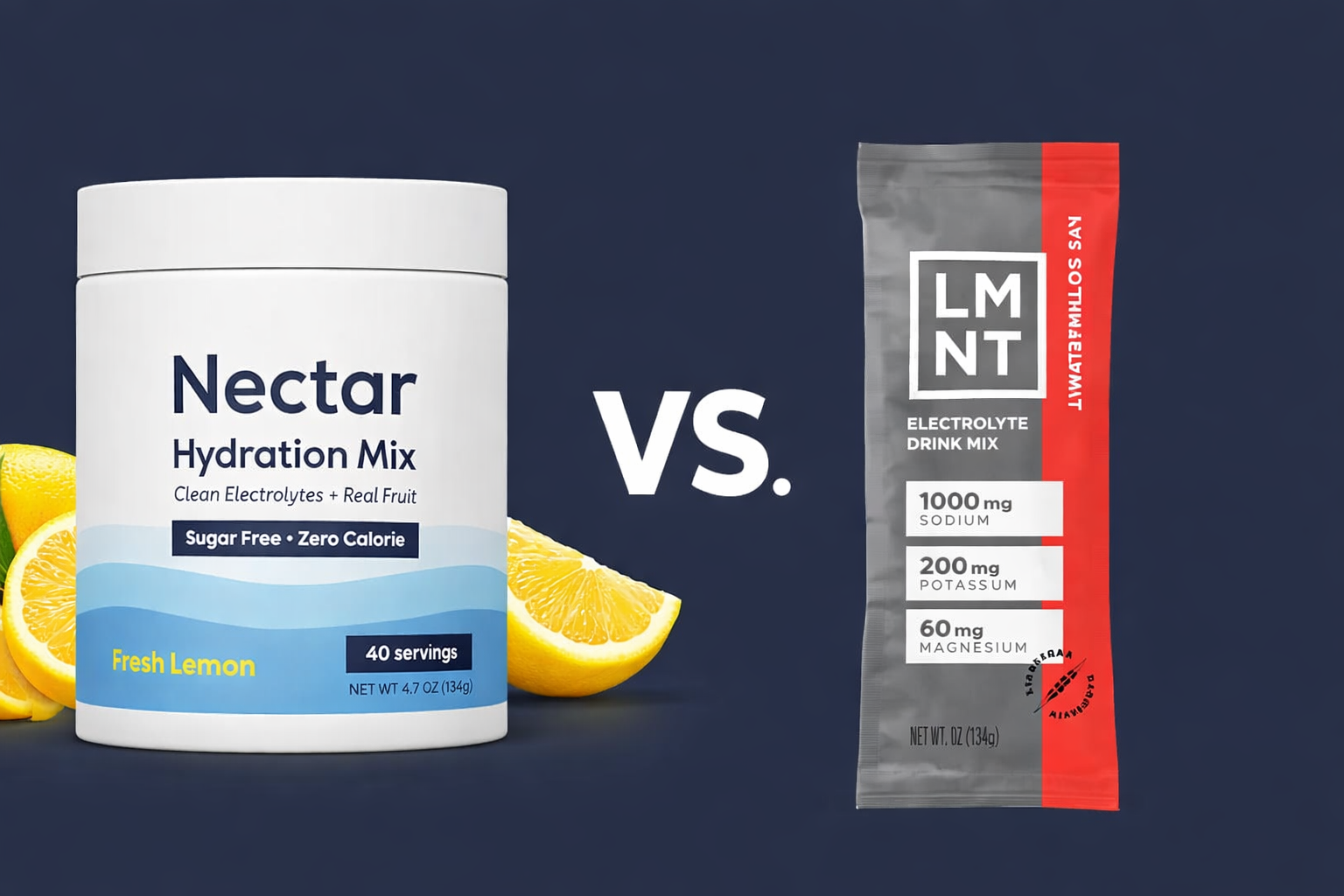
Two brands have risen to the top of the hydration game: Nectar and LMNT. Both promise to restore your body’s essential minerals, but they take very different approaches. Nectar focuses on clean ingredients and daily wellness, while LMNT doubles down on high sodium levels designed for athletes and keto enthusiasts.
So which one deserves a spot in your gym bag or kitchen cabinet? This guide breaks down everything you need to know—from ingredients and flavor profiles to cost and ideal use cases—so you can make the right choice for your body and lifestyle.
What is Nectar?
Nectar positions itself as a hydration powder for health-conscious consumers who want clean, effective electrolyte replenishment without the junk. The brand emphasizes transparency, using simple ingredients you can actually pronounce.
Ingredients and nutritional profile
Nectar keeps things straightforward. Each serving typically contains sodium, potassium, and magnesium—the three key electrolytes your body loses through sweat. The brand avoids artificial colors, flavors, and sweeteners, opting instead for natural alternatives like stevia or monk fruit.
Sugar content is minimal, usually under 5 grams per serving, and calorie counts hover around 10-20 calories. This makes Nectar a solid choice if you’re watching your caloric intake but still need electrolyte support.
Flavor options
Nectar offers a variety of flavors designed to appeal to those who prefer subtle, refreshing tastes over overly sweet or artificial profiles. Expect options like lemon, berry, and citrus—clean flavors that mix easily into water without leaving a chalky aftertaste.
Who should use Nectar?
Nectar works best for people who prioritize daily hydration and overall wellness. If you’re moderately active, work in a hot environment, or simply want to optimize your water intake, Nectar provides a balanced electrolyte boost without excess sodium or calories.
It’s also ideal for those who avoid artificial ingredients or follow health-focused diets that emphasize whole, natural foods.
What is LMNT?
LMNT (pronounced “element”) takes a more aggressive approach to hydration. Created by Robb Wolf, a biochemist and former research scientist, LMNT is designed specifically for people who need serious sodium replenishment—think athletes, keto dieters, and anyone following a low-carb lifestyle.
Ingredients and nutritional profile
LMNT’s formula is all about the science. Each stick pack delivers 1,000 mg of sodium, 200 mg of potassium, and 60 mg of magnesium. That sodium content is significantly higher than most electrolyte drinks on the market, but it’s intentional.
The brand argues that modern diets often lack adequate sodium, especially for active individuals or those cutting carbs. LMNT contains zero sugar, zero calories, and no artificial ingredients. It’s sweetened with stevia, keeping the formula clean while delivering a bold, salty taste.
Flavor options
LMNT doesn’t shy away from strong flavors. Popular options include citrus salt, raspberry salt, and watermelon salt. The “salt” descriptor isn’t just branding—these drinks taste noticeably salty, which some people love and others find off-putting.
The brand also offers a raw, unflavored version for those who want pure electrolytes without any taste modifiers.
Who should use LMNT?
LMNT is built for high performers. If you’re training intensely, following a ketogenic or low-carb diet, or dealing with symptoms of low sodium (like fatigue, cramps, or brain fog), LMNT delivers the electrolyte punch you need.
It’s also popular among people who practice intermittent fasting, as it helps maintain electrolyte balance without breaking a fast.
Nectar vs LMNT: Key differences
Both brands offer quality hydration solutions, but their formulas cater to different needs. Here’s how they stack up.
Sugar and calorie content
Nectar contains a small amount of sugar (typically under 5 grams) and around 10-20 calories per serving. LMNT, on the other hand, has zero sugar and zero calories, making it the clear winner for strict low-carb or keto dieters.
If you’re not concerned about a few extra calories and prefer a slightly sweeter taste, Nectar’s minimal sugar content won’t derail your health goals. But if you’re maximizing fat adaptation or fasting, LMNT’s zero-calorie formula is the better fit.
Sodium levels
This is where the two brands diverge most dramatically. Nectar provides moderate sodium levels suitable for everyday hydration. LMNT delivers 1,000 mg of sodium per serving—roughly 43% of the recommended daily intake.
That high sodium content makes LMNT ideal for heavy sweaters, endurance athletes, and anyone on a low-carb diet (which naturally flushes sodium from the body). For the average person doing light exercise or desk work, LMNT’s sodium levels might be excessive.
Artificial additives
Both brands avoid artificial colors, flavors, and sweeteners. Nectar uses natural sweeteners like stevia or monk fruit, while LMNT relies solely on stevia. If you’re sensitive to certain sweeteners, check the specific product labels, but generally, both brands prioritize clean ingredient lists.
Taste and mixability
Nectar’s flavors are subtle and refreshing, appealing to those who prefer a lighter, less intense taste. LMNT’s flavors are bold and salty—which makes sense given its high sodium content. Some people find LMNT’s taste invigorating, while others need time to adjust.
Both powders mix well in water without clumping or leaving residue, though LMNT’s higher mineral content can occasionally settle at the bottom of your bottle if you don’t shake it frequently.
When to choose Nectar
Nectar shines in scenarios where you need consistent, moderate hydration support without going overboard on sodium or calories.
Daily wellness and light activity
If you’re not training for a marathon but want to stay optimally hydrated throughout the day, Nectar provides balanced electrolyte replenishment. It’s perfect for people who drink plenty of water but still feel sluggish or experience mild dehydration symptoms.
Hot climates and moderate sweating
Living in a warm environment or doing light-to-moderate exercise? Nectar replaces the electrolytes you lose without overwhelming your system with sodium.
Clean eating and natural ingredients
For health-conscious consumers who scrutinize ingredient labels, Nectar’s commitment to natural, transparent formulations makes it a trustworthy choice.
When to choose LMNT
LMNT is built for people with higher sodium needs and specific dietary or athletic goals.
Intense training and endurance sports
Athletes who train hard and sweat heavily need more sodium than the average person. LMNT’s 1,000 mg of sodium per serving helps prevent cramping, maintain performance, and speed up recovery.
Ketogenic and low-carb diets
When you cut carbs, your body excretes more sodium and water. This can lead to the dreaded “keto flu”—fatigue, headaches, and brain fog. LMNT counteracts these symptoms by replenishing sodium levels quickly and effectively.
Intermittent fasting
Fasting depletes electrolytes, especially sodium. LMNT’s zero-calorie formula lets you maintain electrolyte balance without breaking your fast, making it a favorite among intermittent fasters.
Addressing chronic low sodium
Some people simply don’t consume enough sodium through their regular diet. If you experience persistent fatigue, dizziness, or muscle cramps despite drinking plenty of water, LMNT can help restore balance.
Cost comparison
Price matters, especially if you’re using electrolyte powder daily.
Nectar typically costs around $30-$40 for a 30-serving container, depending on the retailer and specific product line. That works out to roughly $1.00-$1.30 per serving.
LMNT runs slightly higher, usually priced at $45 for a 30-stick pack, which translates to $1.50 per serving. However, LMNT frequently offers bundle deals and subscription discounts that bring the per-serving cost down.
Both brands offer subscription options that save you 15-20% per order and ensure you never run out. If you’re committed to daily use, subscribing is the most cost-effective route.
Which hydration powder should you choose?
The right choice depends entirely on your lifestyle, activity level, and health goals.
Choose Nectar if you want a clean, balanced electrolyte powder for daily hydration and overall wellness. It’s ideal for people who exercise moderately, live in warm climates, or simply want to optimize their water intake without excessive sodium.
Choose LMNT if you train intensely, follow a ketogenic or low-carb diet, practice intermittent fasting, or need high sodium levels to combat fatigue and cramping. LMNT’s science-backed formula is built for serious athletes and metabolic health enthusiasts.
Both brands deliver quality hydration solutions with clean ingredients and loyal followings. The key is matching the product to your specific needs rather than chasing trends or marketing hype.
Start by assessing your activity level, dietary approach, and how you feel throughout the day. If you’re unsure, try both products for a week or two and see which one leaves you feeling more energized and hydrated. Your body will tell you what it needs.