Best Pedialyte Alternatives: Hydrate Smarter in 2026
Dehydration rarely announces itself. It builds quietly — after a punishing workout, a stomach illness, a long travel day, or hours spent in intense heat — until fatigue sets in and your body starts signaling for help.
For decades, Pedialyte has been the trusted solution for rapid rehydration, especially for children. But today’s consumers are asking a smarter, more informed question:
Is there a better Pedialyte alternative?
More often than not, the answer is yes.
Modern hydration drinks have evolved. Many now feature cleaner ingredient lists, lower sugar levels, improved taste, and formulas tailored specifically for adults, athletes, and wellness-focused lifestyles. Whether you want to avoid artificial additives, cut back on sugar, or simply choose a drink that aligns with your health goals, strong alternatives are no longer hard to find.
In this guide, you’ll discover:
- When choosing a Pedialyte alternative makes sense
- What truly determines hydration effectiveness
- The best electrolyte drinks available today
- Which options are genuinely healthier
- Top picks for adults, athletes, and children
- Budget-friendly choices that still perform
By the end, you won’t just know your options — you’ll know exactly which hydration strategy fits your body, your routine, and your lifestyle.
Why People Are Looking for Pedialyte Alternatives
Pedialyte still carries medical credibility, but consumer expectations have shifted dramatically. Today’s shoppers scan ingredient labels, question sugar content, and prioritize beverages that support long-term wellness — not just quick fixes.
Here’s what’s driving the search for drinks similar to Pedialyte.
High Sugar Content
Sugar plays a role in electrolyte absorption, but many hydration drinks contain more than necessary. For calorie-conscious consumers — or anyone monitoring blood sugar — that excess can feel counterproductive.
Unsurprisingly, demand for low-sugar hydration drinks continues to rise.
Artificial Ingredients
Consumers increasingly prefer products made with recognizable ingredients. Artificial dyes, flavors, and preservatives often trigger hesitation, even when the formula itself is effective.
This shift explains the growing popularity of natural electrolyte drinks among health-focused buyers.
Adult-Focused Hydration
Pedialyte is still closely associated with childhood illness. While its effectiveness is undeniable, many adults want hydration that reflects their lifestyle — whether they’re recovering from intense training, combating travel fatigue, managing a hangover, or simply staying proactive about wellness.
Rising Costs
Hydration shouldn’t feel like a luxury. Yet frequent use of electrolyte beverages can quickly add up, especially for families and athletes.
As a result, many consumers now seek options that are healthier than Pedialyte while delivering stronger value per serving.
The bigger shift is clear: People no longer want basic hydration — they want smarter, more personalized hydration.
What Makes a Great Hydration Drink?
Before choosing the best Pedialyte alternative, it helps to understand what actually makes an electrolyte drink effective. After all, marketing claims don’t always translate into real hydration.
Sodium: The Driver of Fluid Retention
Sodium plays a central role in helping your body retain fluids and restore balance after sweating or illness. Without enough sodium, water alone may move through your system too quickly, limiting its hydrating impact.
When dehydration is moderate to severe, higher sodium levels often make a measurable difference.
Potassium and Magnesium: The Support System
Potassium keeps muscles functioning smoothly and supports nerve signaling, while magnesium helps reduce cramps and fatigue.
Together, these minerals don’t just support hydration — they enhance physical resilience.
Sugar vs. Sugar-Free: Striking the Right Balance
Glucose improves electrolyte absorption in the small intestine. That’s why many medical hydration formulas include some sugar.
But more isn’t better.
Excess sugar can slow digestion, spike calories, and undermine the very health goals many consumers prioritize.
The ideal formula provides just enough glucose to aid absorption — without turning the drink into a sugar bomb.
Don’t Be Misled by Electrolyte Counts
Here’s a common misconception: more electrolytes automatically equal better hydration.
In reality, balance matters far more than volume.
A sodium-heavy drink may overwhelm casual users, while ultra-light formulas may struggle to correct genuine dehydration.
👉 Pro Insight:
The best hydration drink isn’t the one with the highest electrolyte count — it’s the one your body actually needs.
Quick Comparison: Best Pedialyte Alternatives
| Drink | Best For | Sugar Level | Key Benefit | Ideal User |
|---|---|---|---|---|
| Liquid I.V. | Rapid hydration | Moderate | Enhanced absorption technology | Travelers, active adults |
| LMNT | Heavy sweating | Zero sugar | Exceptionally high sodium | Athletes, low-carb lifestyles |
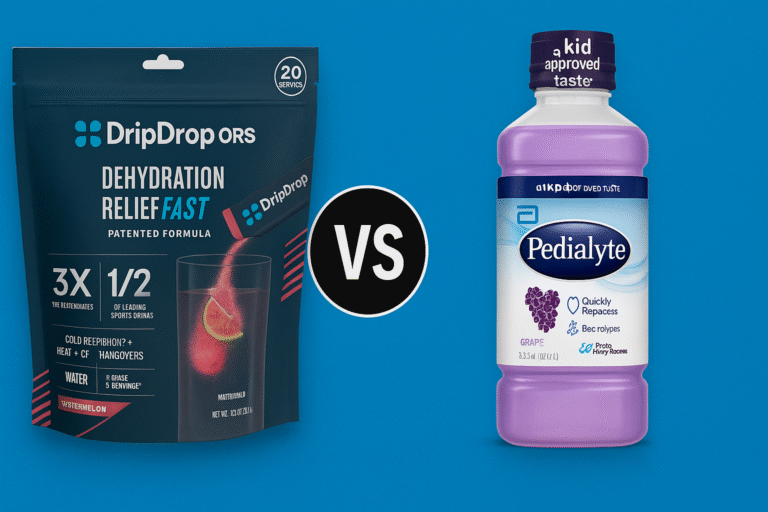
| DripDrop | Illness recovery | Moderate | Medical-style formulation | Families, recovery support |
| Ultima Replenisher | Daily hydration | Zero sugar | Plant-based ingredients | Wellness-focused consumers |
| Coconut Water | Natural hydration | Naturally occurring | Minimal processing | Clean-label shoppers |
Think of this as your shortcut — a quick way to narrow the field before diving deeper.
Best Pedialyte Alternatives Worth Considering
The hydration market has expanded rapidly, but a few standout options consistently deliver.
Liquid I.V.
Quick take: Fast, efficient hydration built for modern lifestyles.
Using Cellular Transport Technology, Liquid I.V. is designed to accelerate the absorption of water and nutrients.
Why people choose it:
- Strong electrolyte profile
- Convenient stick packs
- Easy to find
- Reliable during travel or fatigue
Possible drawbacks:
It contains added sugar, and some users find the flavor slightly sweet.
Best for: Travel, workouts, and moderate dehydration.
LMNT
Quick take: A zero-sugar powerhouse engineered for serious electrolyte replacement.
LMNT has become a favorite among endurance athletes and keto followers thanks to its high sodium concentration.
Why it stands out:
- No sugar
- Extremely high sodium
- Clean formulation
- Excellent for heavy sweating
Potential downside:
Its salt-forward taste — and potency — can be excessive for everyday hydration.
Best for: Marathon runners, high-intensity athletes, and low-carb lifestyles.
DripDrop
Quick take: Doctor-developed hydration with real-world credibility.
Originally created for dehydration relief in crisis settings, DripDrop focuses on scientifically informed electrolyte ratios.
Strengths include:
- Balanced formulation
- Enjoyable flavors
- Portable design
- Trusted in relief efforts
Consider this:
It includes sugar and typically costs more than standard sports drinks.
Best for: Illness recovery, stomach issues, and emergency preparedness.
Ultima Replenisher
Quick take: Clean, plant-based hydration ideal for everyday use.
With a sugar-free and vegan-friendly formula, Ultima appeals strongly to ingredient-conscious consumers.
Why it works:
- No sugar or artificial dyes
- Naturally flavored
- Contains magnesium
- Excellent for routine hydration
Limitation:
Its lower sodium content makes it less suitable for severe dehydration.
Best for: Professionals, light exercisers, and daily wellness seekers.
Coconut Water
Quick take: Simple, natural hydration straight from the source.
Packed with potassium and naturally occurring sugars, coconut water offers refreshing support without heavy processing.
What people love:
- Minimal ingredients
- Gentle on the stomach
- Naturally hydrating
Where it falls short:
Low sodium makes it inadequate for serious fluid loss.
Best for: Mild dehydration and clean-label living.
Pedialyte vs. Alternatives: Which Should You Choose?
Stop searching for a universal winner — hydration isn’t one-size-fits-all.
Instead, match the drink to the moment.
Pedialyte vs. Liquid I.V.
Choose Pedialyte for clinically reliable rehydration. Reach for Liquid I.V. when convenience and lifestyle performance matter more.
Pedialyte vs. LMNT
Pedialyte delivers balanced absorption, while LMNT dominates during extreme sweat loss.
👉 Digestive illness? Pedialyte.
👉 Endurance training? LMNT.
Pedialyte vs. Coconut Water
Coconut water wins on natural appeal but lacks the electrolyte strength required for rapid recovery.
The smartest hydration strategy isn’t about loyalty — it’s about context.
Best Pedialyte Alternative Based on Your Needs
Feeling overwhelmed? Start here.
Best for Adults: Liquid I.V. — balanced, practical, effective.
Best for Kids: DripDrop — approachable and science-backed.
Best Low-Sugar Option: LMNT — powerful without added calories.
Best for Athletes: LMNT — sodium levels support endurance.
Best Budget Pick: Powder mixes — often cheaper per serving.
Best Natural Choice: Coconut water — simple and recognizable.
The future of hydration is personal.
Not universal.
When Pedialyte Is Still the Better Choice
Despite the surge in alternatives, Pedialyte remains exceptionally effective in specific scenarios.
It is:
- Clinically supported
- Widely available
- Trusted by pediatric professionals
- Carefully balanced
For young children battling vomiting or diarrhea, that reliability offers priceless peace of mind.
Recognizing Pedialyte’s strengths doesn’t weaken your options — it sharpens your judgment.
Smart hydration is always contextual.
Can You Make Your Own Electrolyte Drink?
Yes — particularly for mild dehydration.
Simple recipe:
- 1 liter of water
- ½ teaspoon salt
- Fresh citrus juice
- 1–2 teaspoons honey
It’s affordable, customizable, and free from artificial additives.
Just remember: homemade solutions should never replace medical oral rehydration formulas during serious illness.
Think of them as daily tools — not emergency medicine.
How to Choose the Right Hydration Drink
The beverage aisle can overwhelm even informed shoppers. Use this framework to cut through the noise.
Choose based on:
- Activity level: Heavy sweaters need more sodium.
- Sugar preference: Some benefit from glucose; others prefer zero sugar.
- Health priorities: Clean ingredients vs performance.
- Budget: Powder sticks often deliver better value.
- Taste: The best drink is the one you’ll actually finish.
👉 Remember:
The best hydration drink isn’t the one with the most electrolytes — it’s the one your body truly needs.
Conclusion: Hydration Has Evolved — Has Your Strategy?
Pedialyte helped define modern rehydration. But today, consumers enjoy more choice — and more control — than ever before.
Some alternatives focus on ingredient purity.
Others prioritize performance.
Many are designed specifically for adult lifestyles.
The real shift isn’t about replacing Pedialyte.
It’s about recognizing that hydration is no longer one-dimensional.
Your physiology, activity level, and health goals should guide every sip.
So the next time dehydration strikes, pause and ask:
👉 Is your hydration strategy keeping pace with your lifestyle?
If this guide clarified your options, bookmark it for future reference — and consider testing a few alternatives to discover what truly works for your body.
Because smarter hydration always begins with smarter decisions.