Pedialyte vs. Electrolyte Drinks: Which One Hydrates Best?
Hydration keeps your body running smoothly. When you sweat, get sick, or push through an intense workout, you lose more than just water—you lose electrolytes. These essential minerals help regulate nerve function, muscle contractions, and fluid balance. Without them, you might feel fatigued, dizzy, or weak.
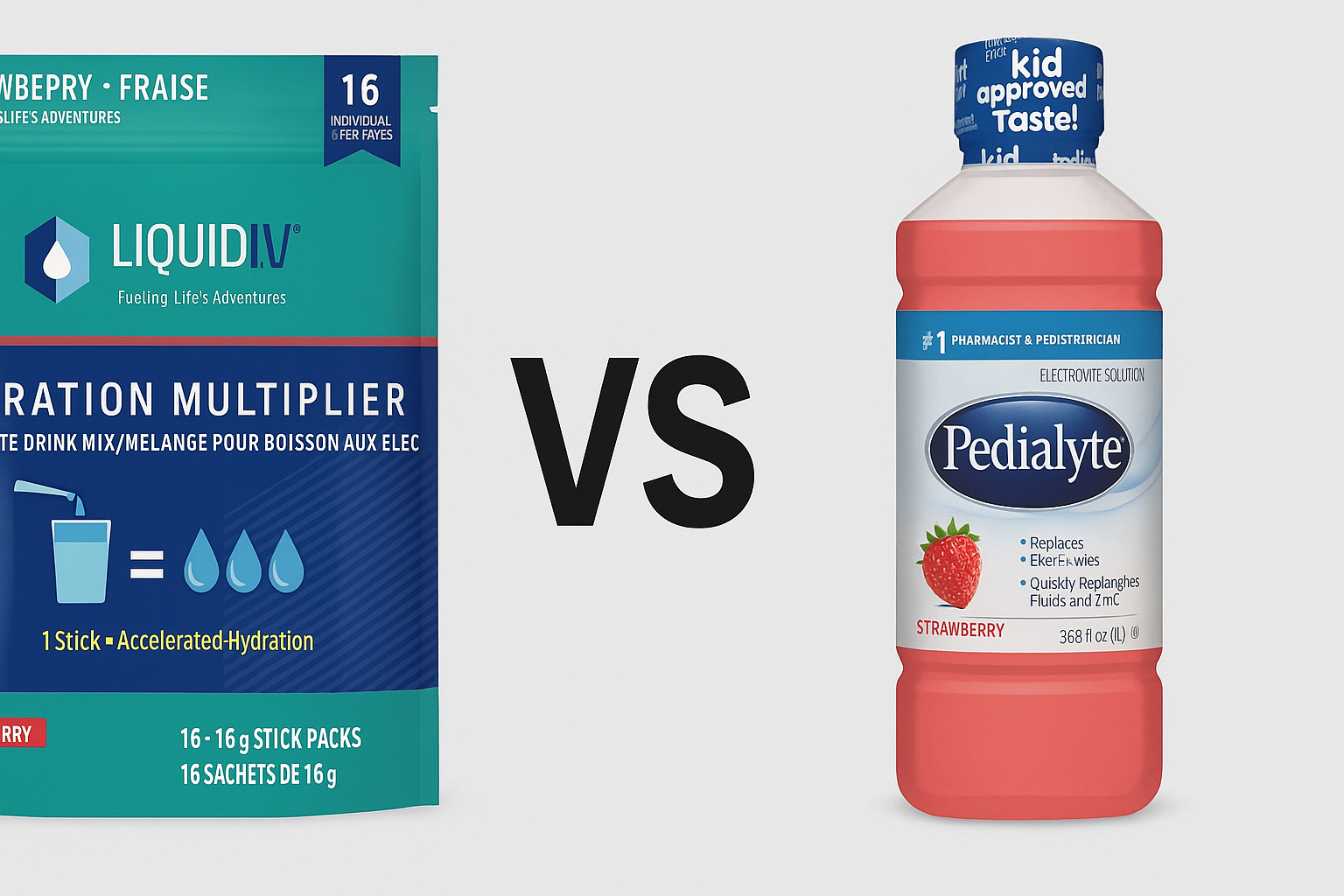
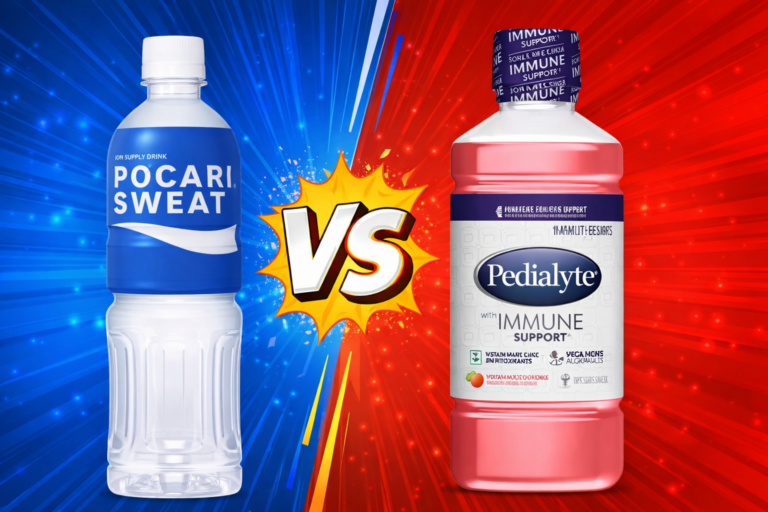
Two popular solutions dominate the hydration aisle: Pedialyte and standard electrolyte drinks. Both promise to restore what your body has lost, but they’re formulated differently and serve distinct purposes. Understanding these differences can help you choose the right option for your situation.
This post breaks down the composition, effectiveness, and cost of Pedialyte versus electrolyte drinks. By the end, you’ll know exactly which one to reach for when dehydration strikes.
What is Pedialyte?
Pedialyte is an oral rehydration solution originally designed for children experiencing dehydration from illness. Doctors often recommend it for managing fluid loss caused by vomiting, diarrhea, or fever. While it started as a pediatric product, adults now use it to recover from hangovers, intense exercise, or heat exposure.
The formulation focuses on rapid rehydration. Pedialyte contains a precise ratio of sugar and electrolytes that helps your body absorb fluids quickly. Key ingredients include:
- Sodium: Helps retain water and supports nerve function
- Potassium: Maintains muscle function and cellular health
- Chloride: Works with sodium to balance fluids
- Dextrose (sugar): Facilitates sodium and water absorption in the intestines
Pedialyte keeps sugar content relatively low compared to sports drinks. This design prioritizes hydration efficiency over taste or energy replenishment.
What Are General Electrolyte Drinks?
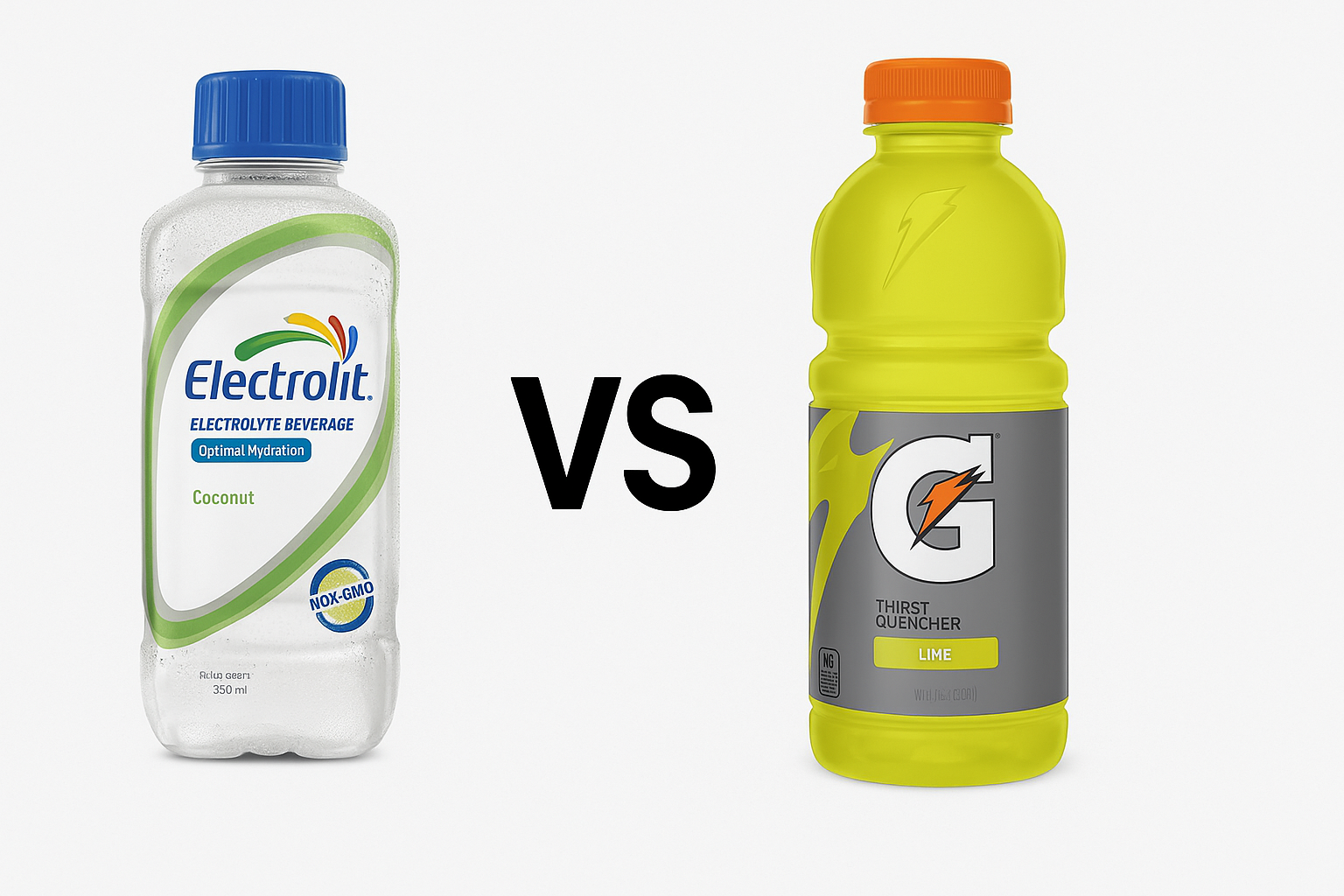
Electrolyte drinks cover a broad category that includes sports drinks, powdered mixes, and enhanced waters. Brands like Gatorade, Powerade, and Nuun fall into this group. Athletes frequently use these products to maintain performance during prolonged physical activity.
These drinks typically contain:
- Carbohydrates (sugars): Provide quick energy during exercise
- Sodium and potassium: Replace minerals lost through sweat
- B vitamins: Support energy metabolism (in some formulations)
- Flavoring and coloring: Make the drink more palatable
The sugar content in many sports drinks runs higher than Pedialyte. This serves a purpose—active muscles need fuel, and carbohydrates deliver it fast. However, the higher sugar concentration can slow fluid absorption in the intestines, making these drinks less optimal for illness-related dehydration.
Pedialyte vs. Electrolyte Drinks: Head-to-Head Comparison
Sugar Content
Pedialyte: Contains approximately 6 grams of sugar per 12-ounce serving. This moderate amount supports the sodium-glucose transport system without overwhelming your digestive system.
Electrolyte Drinks: A 12-ounce serving of Gatorade contains about 21 grams of sugar. Other sports drinks fall within a similar range. The higher sugar content provides energy but can cause stomach discomfort if you’re already nauseated.
Winner for illness recovery: Pedialyte. The lower sugar content makes it gentler on an upset stomach while still promoting effective hydration.
Winner for athletic performance: Electrolyte drinks. The extra carbohydrates fuel working muscles during extended exercise sessions.
Sodium Levels
Pedialyte: Delivers approximately 370 mg of sodium per 12-ounce serving. This higher concentration aligns with medical recommendations for treating dehydration caused by illness.
Electrolyte Drinks: Most sports drinks contain 150-200 mg of sodium per 12-ounce serving. While adequate for replacing sweat losses during moderate exercise, it’s less effective for severe dehydration.
Winner for illness recovery: Pedialyte. The elevated sodium content accelerates fluid retention and helps reverse dehydration faster.
Winner for athletic performance: Tie. For most recreational athletes, standard electrolyte drinks provide sufficient sodium. Endurance athletes exercising for several hours may benefit from Pedialyte’s higher sodium levels.
Potassium Content
Pedialyte: Contains roughly 280 mg of potassium per 12-ounce serving. This helps replenish potassium lost through vomiting or diarrhea.
Electrolyte Drinks: Typically provide 40-80 mg of potassium per 12-ounce serving. The lower amount reflects the fact that sweat contains more sodium than potassium.
Winner for illness recovery: Pedialyte. Gastrointestinal illness depletes potassium more aggressively than sweat does.
Winner for athletic performance: Electrolyte drinks are usually adequate. Unless you’re an ultra-endurance athlete, you don’t lose massive amounts of potassium through sweat.
Osmolality
Osmolality measures the concentration of dissolved particles in a solution. Lower osmolality means faster absorption.
Pedialyte: Formulated with lower osmolality (about 250 mOsm/L), which allows your intestines to absorb it quickly.
Electrolyte Drinks: Higher sugar content creates higher osmolality (around 330-360 mOsm/L for many sports drinks). This slows absorption slightly.
Winner: Pedialyte for rapid rehydration. Electrolyte drinks still hydrate effectively but work a bit slower.
Effectiveness for Different Scenarios
Illness Recovery
When you’re sick with vomiting, diarrhea, or fever, your body needs gentle, efficient rehydration. Pedialyte excels here. The balanced electrolyte profile and lower sugar content make it easier to tolerate when your stomach is sensitive. Medical professionals recommend it because it’s specifically formulated to meet clinical rehydration standards.
Electrolyte drinks can work in a pinch, but the higher sugar content might aggravate nausea. If you’re severely dehydrated from illness, Pedialyte remains the better choice.
Athletic Performance
During exercise, your muscles burn through carbohydrates and you lose sodium through sweat. Sports drinks replenish both simultaneously. The extra sugar provides immediate energy, helping you maintain intensity during long workouts or competitions.
Pedialyte won’t hurt your performance, but it doesn’t supply the same caloric fuel. If you’re running a marathon or playing a full soccer match, a traditional sports drink better supports your energy needs. For shorter, less intense workouts, water often suffices—you don’t need specialized hydration products.
Hangover Relief
Alcohol acts as a diuretic, increasing urine production and depleting electrolytes. Many people turn to Pedialyte the morning after drinking. Its rapid absorption and electrolyte balance can help you feel better faster than water alone.
Sports drinks also help with hangover symptoms, though they’re slightly less efficient due to higher sugar content. Some people find the sweeter taste of sports drinks more appealing when they’re feeling rough, which might encourage them to drink more.
Cost-Effectiveness and Accessibility
Price Comparison
Pedialyte: A 33.8-ounce bottle typically costs $5-7, translating to roughly $0.15-$0.21 per ounce. Powder packets and freezer pops run slightly cheaper per serving.
Electrolyte Drinks: A 32-ounce bottle of Gatorade costs $2-3, or about $0.06-$0.09 per ounce. Powder mixes offer even better value.
Sports drinks clearly win on affordability. If budget matters and you’re using these products frequently for exercise, electrolyte drinks make more economic sense. Pedialyte’s higher price reflects its medical-grade formulation.
Availability
Both options are widely available at grocery stores, pharmacies, and convenience stores. Pedialyte has expanded beyond the baby aisle and now appears in adult-focused sections. You can find both products online as well.
Generic store brands offer alternatives to both Pedialyte and name-brand sports drinks, often at lower prices. Check the nutrition labels—many store-brand electrolyte solutions match the formulations of their pricier counterparts.
How to Choose the Right Hydration Source
Your specific situation should guide your choice:
Choose Pedialyte if:
- You’re recovering from illness with vomiting or diarrhea
- You need rapid rehydration after severe fluid loss
- You want a lower-sugar option
- You’re managing a hangover
- A healthcare provider has recommended an oral rehydration solution
Choose electrolyte drinks if:
- You’re exercising for more than an hour
- You need energy alongside hydration
- You’re on a tight budget
- You prefer sweeter-tasting beverages
- You’re doing moderate-intensity workouts in hot conditions
Choose water if:
- You’re exercising for less than an hour
- You’re mildly thirsty but not experiencing significant fluid loss
- You eat regular, balanced meals that provide adequate electrolytes
- You want zero calories or additives
Remember that individual needs vary. Someone who sweats heavily might benefit from electrolyte drinks during shorter workouts, while someone with a sensitive stomach might prefer Pedialyte even during exercise.
Make an Informed Choice About Hydration
Pedialyte and electrolyte drinks both combat dehydration, but they’re engineered for different purposes. Pedialyte prioritizes medical-grade rehydration with balanced electrolytes and minimal sugar. Electrolyte drinks emphasize energy replenishment alongside hydration, making them ideal for athletic performance.
Neither option is universally superior—your choice depends on why you need extra hydration. Illness recovery calls for Pedialyte’s gentle, efficient formula. Athletic activities benefit from the energy boost of sports drinks. Cost-conscious consumers might lean toward more affordable electrolyte drinks for regular use.
Pay attention to how your body responds. If one option makes you feel better faster or sits easier on your stomach, trust that feedback. And when in doubt, especially during illness, consult a healthcare provider about the best rehydration strategy for your specific situation.