Plexus Hydrate vs Liquid I.V.: My Honest Comparison
I’ve tried a lot of hydration powders over the years, usually after workouts, long travel days, or those mornings when coffee alone just isn’t cutting it. Two names that kept coming up were Plexus Hydrate and Liquid I.V.. Friends swore by one or the other, and social media definitely had opinions, so I figured I’d stop guessing and actually try both.
I wanted to know how they compare in real life, not just on a label. How do they taste? Do they actually help me feel more hydrated? And are they worth the price for everyday use? This isn’t a lab test or a sponsored pitch. It’s just my honest experience using Plexus Hydrate and Liquid I.V. and what stood out to me after giving both a fair shot.
What Is Plexus Hydrate?

Plexus Hydrate is a zero-sugar, low-calorie electrolyte drink mix that comes in single-serve sticks or a larger tub. It’s marketed as a “clean” hydration option for everyday use, not just workouts. Think daily wellness, travel days, light exercise, or anytime you feel a little dehydrated and don’t want something intense.
From my experience, it’s clearly meant to be gentle. The electrolyte blend includes sodium, potassium, magnesium, and calcium. Nothing shocking there, but it also adds vitamin C, zinc, coconut water powder, tart cherry, watermelon juice powder, and aloe vera. There’s no sugar at all. It’s sweetened with stevia, which you’ll either appreciate or notice right away, depending on how you feel about stevia.
What stood out to me is what it’s not. It’s not trying to be a hardcore sports drink or a post-marathon recovery mix. It feels more like something you’d sip throughout the day to stay on track with hydration without adding calories or sugar.
Bottom line: Plexus Hydrate is designed for mild, daily hydration, not aggressive sports fueling or heavy sweat sessions.
What Is Liquid I.V.?

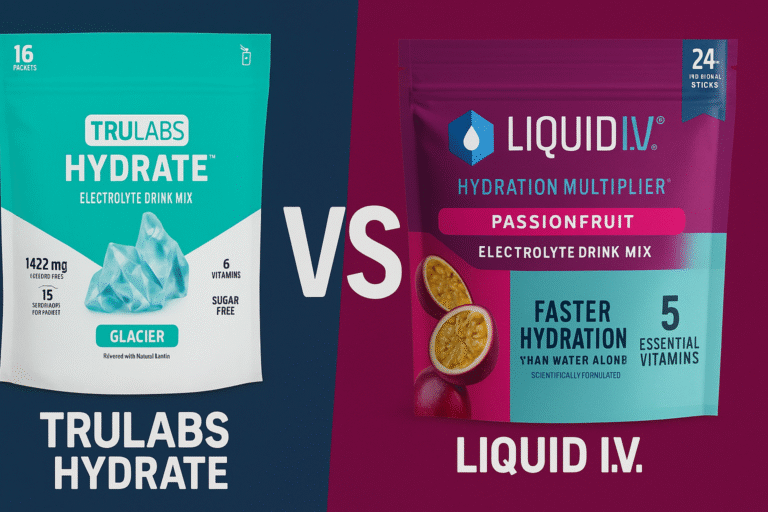
Liquid I.V. Hydration Multiplier is a single-serve powdered electrolyte mix you stir into about 16 ounces (500 mL) of water. The whole pitch is that it hydrates you faster than water alone, which immediately made me think it was aiming for more intense situations than casual sipping.
Liquid I.V. is built around a glucose and sodium transport system, similar to what’s used in oral rehydration solutions. In plain terms, it uses sugar to help your body absorb water more efficiently. Because of that, the formula includes noticeably higher sodium levels, along with cane sugar and dextrose, potassium, vitamin C, and a lineup of B-vitamins like B3, B5, B6, and B12.
From the way it’s positioned, this one clearly isn’t trying to be subtle. It’s marketed for travel days, workouts, hangover recovery, and those moments when you feel genuinely wiped out or dehydrated. When I drink Liquid I.V., it feels more like a functional tool than a casual wellness drink.
In short, Liquid I.V. is designed for faster, more aggressive hydration, especially when your body actually needs a boost, not just a reminder to drink more water.
Electrolyte Amounts (Exact Numbers per Packet)
When I actually lined these up side by side, this is where the differences became very obvious. On paper and in real life, they’re built for very different hydration needs.
Plexus Hydrate (per serving, mixed as directed)
Plexus Hydrate keeps things light and steady.
- Calories: ~10 kcal
- Sugar: 0 g
- Sodium: ~170 mg
- Potassium: ~200 mg
- Calcium: ~70–80 mg
- Magnesium: ~50–70 mg
- Vitamin C: ~170–190% DV
- Zinc: ~10 mg
➡️ Electrolyte strength: mild to moderate
From my experience, this feels more like maintenance hydration. It helps me stay hydrated during the day without feeling salty, heavy, or overly sweet.
Liquid I.V. (standard Hydration Multiplier stick)
Liquid I.V. definitely goes harder.
- Calories: ~45 kcal
- Sugar: ~11 g
- Sodium: ~300–500 mg (varies by flavor and region)
- Potassium: ~370 mg
- Magnesium & Calcium: small amounts
- Vitamin C: present
- B-vitamins: up to ~100% DV
➡️ Electrolyte strength: moderate to high
This one feels more like a recovery tool. When I’m sweaty, traveling, or genuinely dehydrated, Liquid I.V. hits faster and stronger, but it’s also much saltier and sweeter.
Quick takeaway:
Plexus Hydrate is better for gentle, everyday hydration. Liquid I.V. is built for moments when you actually need a noticeable electrolyte and sodium boost.
Sugar Content
With Plexus Hydrate, sugar isn’t part of the formula at all. It has 0 grams of sugar and gets its sweetness from stevia. For me, that makes it easier to drink daily without thinking about calories or blood sugar spikes. It also fits well if you’re low-carb, watching calories, or just don’t want added sugar in yet another drink.
Liquid I.V., on the other hand, includes about 11 grams of sugar in the standard Hydration Multiplier. That sugar isn’t there by accident. It comes from cane sugar and dextrose, and it plays a role in helping your body absorb sodium and water more efficiently. You can definitely taste it, and for some situations, that sugar actually makes sense.
Liquid I.V. does offer sugar-free versions, but even those still deliver a high sodium load. So while you can cut the sugar, the formula is still geared toward aggressive hydration rather than casual sipping.
The big difference comes down to purpose. The sugar in Liquid I.V. is functional and intentional, while Plexus Hydrate avoids sugar completely and focuses on gentle, everyday hydration.
Ingredients Comparison
When I looked past the nutrition labels and into the actual ingredients, the philosophy behind each product became pretty clear.
Plexus Hydrate leans hard into a clean, wellness-focused formula. It includes coconut water powder, which adds potassium and a subtle flavor, along with tart cherry and watermelon powders for antioxidants and natural taste. There’s also aloe vera powder, which is often marketed for digestion and absorption, although the evidence there is pretty limited. Sweetness comes from stevia leaf extract, not sugar. On top of that, Plexus adds zinc and a high dose of vitamin C. The overall formula is clean-label, vegan, non-GMO, and third-party tested, which matters to people who care about ingredient sourcing and transparency.
Liquid I.V. takes a more functional, science-driven approach. The core of the formula is cane sugar and dextrose, paired with sodium, to support glucose-sodium cotransport. That’s the mechanism that helps your body absorb water faster. It uses sodium citrate and potassium citrate for electrolytes, plus a full B-vitamin complex aimed at energy metabolism. Vitamin C is included as well, and some formulas also add coconut water powder, though it’s not really the star of the mix.
From my perspective, Plexus Hydrate feels like a daily wellness drink with hydration as part of the package, while Liquid I.V. feels more like a targeted hydration tool built for specific situations. Neither is inherently better. They’re just built with very different priorities in mind.
Hydration Effectiveness
In my day-to-day life, Plexus Hydrate works well for light, steady hydration. It helps replace electrolytes I lose from normal daily activity or mild sweating, and it definitely feels more effective than plain water when I’m a little run down or not drinking enough. That said, it’s not something I’d reach for after a hard workout, heavy sweating, or anything endurance-related. It just doesn’t have the sodium punch for that.
Liquid I.V. is much more aggressive. It uses the sodium plus glucose hydration mechanism that’s been around for a long time, and that combination helps your body retain fluids more efficiently than water alone. In my experience, it works noticeably better for travel dehydration, tough workouts, illness recovery, or those days when I feel genuinely wiped out.
Verdict: Liquid I.V. hydrates faster and stronger, while Plexus Hydrate hydrates lighter and cleaner. The right choice really depends on how depleted you are and what your body actually needs in that moment.
Health & Wellness Benefits
For everyday wellness, Plexus Hydrate fits easily into my routine. It’s zero sugar, very low in calories, and gentle on digestion, which makes it something I’m comfortable using daily. The added vitamin C and zinc are there to support immune health, not magically boost it, but I do like knowing they’re included. It’s also athlete-safe and Informed-Choice tested, which matters if you’re cautious about supplements and banned substances.
Liquid I.V. feels more situational. When I’m dehydrated from travel, a hard workout, a hangover, or just not taking care of myself for a day or two, it does its job well. The rapid rehydration support is noticeable, and the B-vitamins help with energy metabolism, especially when I’m feeling run down. It’s the one I reach for when electrolyte loss is significant and water alone won’t cut it.
One important thing to keep in mind is expectations. Neither product actually “boosts immunity” in a clinical sense. Any immune claims are supportive and nutrition-based, not a replacement for proper diet, sleep, or medical care.
Price Comparison
Price is one of the biggest differences I noticed between the two.
Plexus Hydrate sits firmly in the premium category. A typical 20-pack runs around $40, which works out to roughly $2.00 per serving. For me, that price only makes sense if you value the zero sugar formula, clean-label ingredients, and plan to use it regularly for daily hydration.
Liquid I.V. is more flexible on price. Costs vary depending on where you buy it and the pack size, and subscriptions usually bring the price down even more. Overall, it ends up being pretty competitive with other well-known hydration mixes, especially considering its higher electrolyte and sodium content.
If budget matters, Liquid I.V. is generally easier to justify for occasional use, while Plexus Hydrate feels more like a premium daily habit.
Taste Comparison
Taste is obviously subjective, but this was one of the areas where I noticed a clear personality difference.
With Plexus Hydrate, the flavors are light and subtle. They lean more fruity than sweet, which I personally prefer for everyday drinking. Some people do notice a stevia aftertaste, especially if they’re sensitive to it, and I get that. Lemon-lime and watermelon seem to be the most liked overall, and those were the easiest for me to drink without getting tired of them.
Liquid I.V. tastes more like a traditional sports drink. It’s noticeably sweeter and more intense right out of the packet. Flavors like Passion Fruit, Lemon-Lime, and Strawberry are popular for a reason, but they can be a lot if you’re not in the mood for something sweet. I often dilute it with more water than recommended, which helps cut the sweetness without losing the hydration effect.
Taste takeaway: If you don’t like sweet drinks, Plexus Hydrate usually feels lighter and easier to sip. Liquid I.V. is bolder and sweeter, which works well when you actually want that sports-drink vibe.
Customer Experience
My experience with Plexus Hydrate feels very on-brand for a premium wellness product. It’s mainly sold through the company website, brand ambassadors, and a few online marketplaces. That setup works fine if you’re already familiar with Plexus, but I’ve seen complaints about subscriptions being confusing or harder to manage than expected. Taste reviews are also pretty polarized. People either really like it or really don’t. Overall, the branding and packaging feel polished and upscale, which is clearly part of what you’re paying for.
Liquid I.V. is much more accessible. You can find it almost anywhere, from Amazon to grocery stores to sites like iHerb. Availability has never been an issue for me, and their logistics are solid. Customer ratings tend to be consistently high, and the variety packs make it easy to try different flavors without committing to a big box.
From a pure convenience standpoint, Liquid I.V. is easier to buy and experiment with, while Plexus Hydrate feels more curated and brand-driven.
Which One Should You Choose?
You don’t really choose between Plexus Hydrate and Liquid I.V. based on which is “better.” You choose based on what your body actually needs.
Choose Plexus Hydrate if you want zero sugar and very low calories, and you prefer clean-label, wellness-focused ingredients. It makes sense if your hydration needs are mostly from daily life, light workouts, or travel, and if you’re sensitive to sugar or carbs. This is the one I reach for when I just want to stay hydrated without thinking about it.
Choose Liquid I.V. if you sweat heavily, travel often, or regularly end up dehydrated. It’s the better option when you need faster, stronger rehydration and don’t mind sugar, or you’re willing to use the sugar-free version. The absorption mechanics are well established, and when I really need hydration to kick in quickly, this one works.
Final Thoughts
After using both, I don’t see this as an either-or decision. Plexus Hydrate and Liquid I.V. are solving different problems.
Plexus Hydrate is what I use when I want clean, simple, everyday hydration without sugar or extra calories. It’s easy on my stomach, easy to drink, and fits naturally into a daily routine. Liquid I.V. is the one I keep around for moments when I’ve pushed harder, traveled longer, or let myself get more depleted than usual. It’s stronger, faster, and more noticeable.
If you match the product to the situation instead of expecting one powder to do everything, both can make sense. The key is being honest about how dehydrated you really are and choosing accordingly.