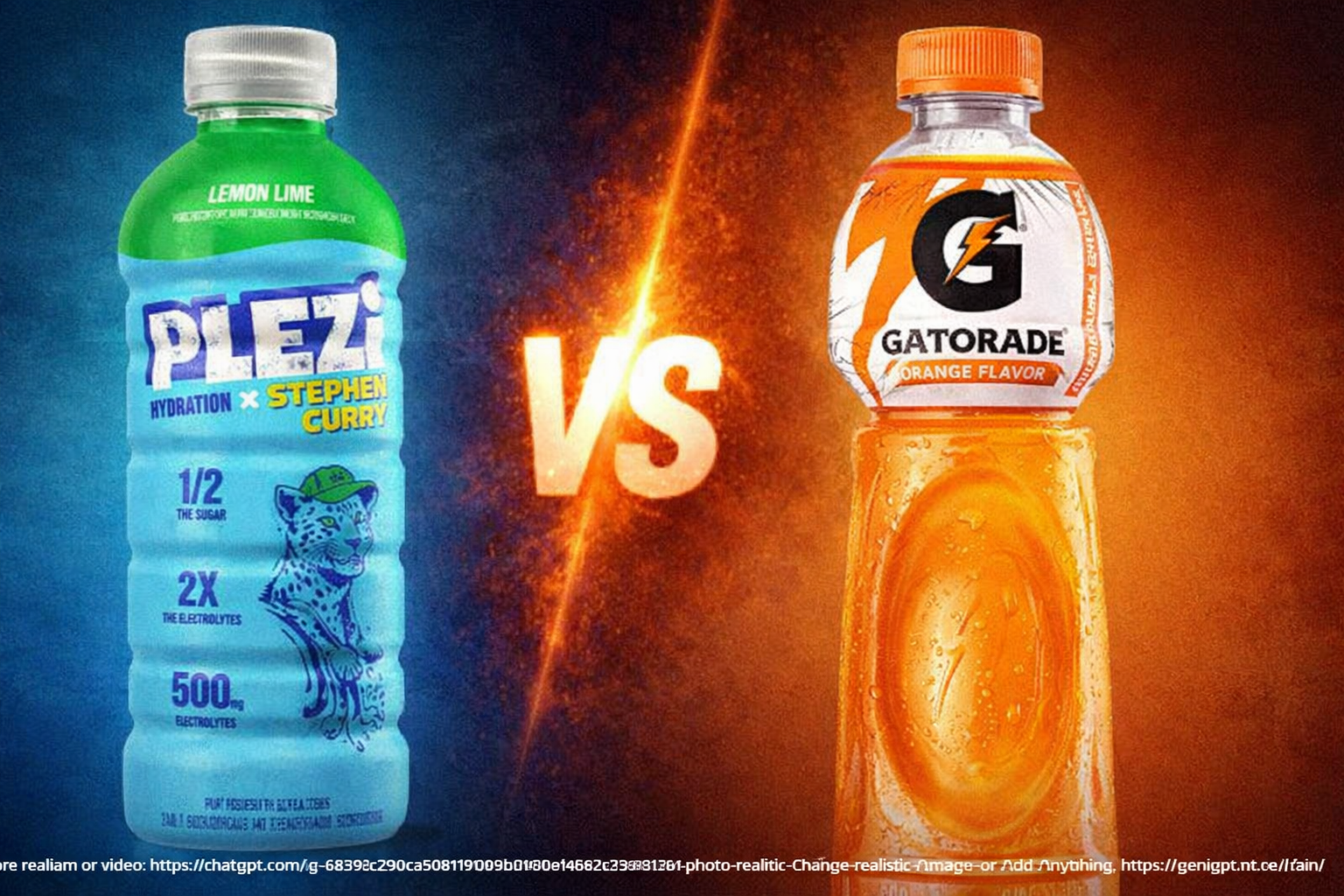
I started paying more attention to electrolytes when I realized water alone wasn’t always enough. I could drink plenty of it and still feel tired, foggy, or slow to recover after workouts, travel, or long days. That’s when I understood how much electrolyte balance truly matters for hydration, energy, and recovery.
Electrolytes like sodium and potassium help your body absorb and retain fluids properly. When those levels drop or fall out of balance, hydration doesn’t stick, energy dips, and recovery takes longer than it should. That’s exactly why sports drinks have become so popular — they’re designed to replace what you lose through sweat.
Two of the most talked-about options right now are Plezi Hydration and Gatorade. Both aim to support hydration, but they take very different approaches. One focuses on lower sugar and simpler ingredients, while the other has been a long-standing sports performance staple for decades.
On the surface, they may seem similar — colorful bottles promising hydration and performance — but once I looked closer at the ingredients, electrolyte levels, sugar content, and overall formulation, some clear differences stood out.
In this comparison, I’ll break down what actually matters: the ingredients, the quality and amount of electrolytes, sugar content, how well each one supports hydration, and the overall health considerations. No hype — just a clear look at how Plezi vs Gatorade really compare.
What Is Plezi Hydration?
Plezi Hydration is a modern sports drink created to support effective hydration without relying on excessive sugar or artificial ingredients. It’s designed for people who want more than just a traditional sports drink — something that helps replenish fluids while keeping the ingredient list more thoughtful and balanced.
What stood out to me right away is its electrolyte focus. Instead of simply delivering flavor with a hydration claim, Plezi Hydration includes key minerals like sodium and potassium that your body depends on to maintain fluid balance. That becomes especially important when you’re sweating, spending time in the heat, traveling, or feeling depleted.
Another noticeable difference is its more moderate sugar approach compared to many classic sports drinks. Plezi doesn’t overload you with sweetness, which makes it feel lighter and easier to drink regularly rather than only during intense activity.
I also appreciated that the formula feels cleaner and more modern. It avoids the heavy, syrupy taste often associated with older sports drinks and instead offers a smoother drinking experience that still feels functional.
Based on how it’s formulated, Plezi Hydration makes sense for everyday hydration, light workouts, busy days, warm weather, and general fluid support. It’s the kind of drink you reach for when you want hydration that feels both effective and approachable — not overly sugary, but still purposeful.
What Is Gatorade?
Gatorade is one of the most recognizable sports drinks in the world, created to help athletes replace fluids and electrolytes lost through sweat. It was originally developed for performance, and over the years it has become a go-to option for everyone from competitive athletes to everyday exercisers.
The main focus with Gatorade is rapid hydration and energy support. It contains electrolytes like sodium and potassium to help maintain fluid balance, but it also includes carbohydrates in the form of sugar. That sugar isn’t accidental — it’s meant to provide quick fuel during prolonged or high-intensity activity when your body needs immediate energy.
Gatorade is also designed for accessibility and convenience. You can find it almost everywhere, from grocery stores to gyms and convenience shops, making it an easy grab when hydration becomes a priority.
From how it’s formulated, Gatorade feels more like a performance-driven hydration drink rather than a minimalist daily option. It’s built for situations involving heavy sweating, endurance workouts, sports competitions, or long periods of physical exertion. When you compare it side by side with newer hydration drinks, the biggest distinction is clear: Gatorade prioritizes energy and electrolyte replacement, while many modern formulas lean toward lighter hydration with less sugar.
Electrolyte Quality & Sources
When I looked closer at where the electrolytes actually come from, this is where the difference between Plezi Hydration and Gatorade became much clearer.
Plezi Hydration focuses on a more modern electrolyte approach. Instead of relying heavily on basic salt alone, it includes key minerals like sodium and potassium in balanced amounts to support fluid absorption and maintain hydration. The formulation feels intentional — built to hydrate effectively without overwhelming the drink with excessive sugar or unnecessary additives.
Another thing I noticed is that Plezi leans toward a simpler, more thoughtful ingredient profile. The electrolytes are there to do their job efficiently, helping your body retain fluids while keeping the drink lighter and easier to consume regularly. That showed up for me as hydration that felt steady rather than overly heavy.
Gatorade, on the other hand, uses a more traditional sports drink formula. Its sodium typically comes from salt, while potassium is added to support muscle function and fluid balance. This approach has decades of sports science behind it and is specifically designed to replace electrolytes lost during intense physical activity.
However, Gatorade’s hydration strategy is closely tied to its carbohydrate content. The presence of sugar helps accelerate fluid absorption during endurance exercise, but it also makes the drink feel more performance-focused than everyday-friendly.
The main takeaway for me is this: Plezi Hydration emphasizes balanced electrolytes with a lighter formulation suited for regular hydration, while Gatorade prioritizes rapid electrolyte replacement paired with quick energy for demanding activity. Neither approach is wrong — they’re simply built for different hydration needs.
Electrolyte Amounts (Exact Numbers per Serving)
This is where the difference between Plezi Hydration and Gatorade becomes very clear. Once I looked at the actual numbers, it explained why they feel different in real-world use.
Plezi Hydration electrolytes per serving:
Sodium: 120 mg
Potassium: 500 mg
That gives Plezi a potassium-forward electrolyte profile, with moderate sodium. The higher potassium stands out because it supports muscle function and fluid balance, while the sodium level stays relatively controlled compared to traditional sports drinks. This type of balance feels better suited for light activity, school days, or everyday hydration rather than extreme sweat loss.
Gatorade (Thirst Quencher) electrolytes per 20 oz bottle:
Sodium: 270 mg
Potassium: 75 mg
Gatorade leans heavily toward sodium, which makes sense for athletes who lose a lot of salt through sweat. The sodium content is more than double that of Plezi per serving, while potassium is significantly lower.
Comparison summary:
Gatorade delivers substantially more sodium, which supports rapid electrolyte replacement during intense exercise and heavy sweating. Plezi Hydration, on the other hand, emphasizes potassium with more moderate sodium levels, making it feel lighter and more balanced for everyday hydration.
In practical terms, Gatorade is built for performance and sweat replacement. Plezi is designed for steady hydration without pushing sodium too high. The difference in electrolyte ratios clearly reflects their different priorities.
Sugar Content
Sugar content was one of the first things I checked when comparing Plezi Hydration and Gatorade, because I don’t want hydration to come with energy crashes or unnecessary calories.
Plezi Hydration contains significantly less sugar than traditional sports drinks. Depending on the flavor, it typically has around 12 grams of added sugar per bottle, which is lower than many mainstream options. That reduction makes it feel lighter and easier to use casually — whether for school, light activity, or everyday hydration — without the heavy sweetness that often comes with classic sports drinks.
Gatorade, on the other hand, relies much more heavily on sugar. A standard 20 oz bottle of Gatorade Thirst Quencher contains about 34 grams of sugar. That sugar serves a purpose: it provides quick carbohydrates to fuel muscles during long or intense workouts. However, for casual hydration, it can feel excessive — especially if you’re not burning through those carbs.
Overall, the difference here is clear. Plezi takes a reduced-sugar approach, aiming for balanced hydration without overloading on sweetness. Gatorade uses sugar as both a flavor component and a performance fuel source.
If you’re training hard and need quick energy, Gatorade’s higher sugar content makes sense. If you’re focused on lighter hydration with less sugar overall, Plezi offers a more moderate option.
Sweeteners Used
Even though both drinks contain sugar, the type of sweetener they rely on still affects taste, overall feel, and how modern the formula seems.
Plezi Hydration uses cane sugar as its primary sweetener, but in more moderate amounts than many traditional sports drinks. Because the sugar level is controlled, the sweetness doesn’t feel overwhelming or syrupy. Instead, it comes across as smoother and easier to drink, especially if you prefer something that tastes refreshing rather than intensely sweet.
Gatorade also uses sugar (typically dextrose and sucrose) to create its signature flavor. This combination produces a noticeably sweeter profile that many athletes associate with quick energy and performance. However, if you’re sensitive to sweetness, it can sometimes feel heavier than necessary for casual hydration.
Neither drink uses artificial sweeteners in its classic formula, and that’s worth noting for anyone trying to avoid synthetic ingredients. The real distinction shows up in intensity — Plezi aims for a more controlled sweetness, while Gatorade delivers the bold, unmistakable taste it has been known for for decades.
In simple terms, Plezi feels lighter and more modern on the palate, whereas Gatorade leans into a stronger sweetness designed to fuel activity and enhance flavor during demanding situations.
Ingredient Cleanliness
Ingredient quality mattered to me with both of these drinks, and this is another area where their priorities become very clear.
Plezi Hydration takes a more modern, health-conscious approach to formulation. It avoids artificial colors and high-fructose corn syrup, which immediately makes it feel like a step away from older sports drink formulas. The ingredient list is thoughtfully built to support hydration while keeping unnecessary additives to a minimum. Overall, it comes across as intentional — designed for people who want effective hydration without feeling like they’re drinking something overly processed.
Gatorade follows a more traditional sports drink formula. Many versions still include artificial colors and flavoring agents that help create its recognizable taste and appearance. While these ingredients have long been part of performance beverages and are considered safe for consumption, they can make the drink feel less aligned with today’s “clean label” expectations.
That said, Gatorade’s formulation is purpose-driven. Every ingredient is there to enhance flavor stability, shelf life, or performance during demanding physical activity. It wasn’t originally built around the clean-label movement — it was built to hydrate athletes quickly and reliably.
Both drinks are effective, but they reflect different philosophies. Plezi leans toward a cleaner, more contemporary ingredient profile, while Gatorade prioritizes proven performance with a classic sports drink structure.
Hydration Effectiveness
This is where I noticed one of the most practical differences between Plezi Hydration and Gatorade.
Plezi is built around steady, everyday hydration, and that’s exactly how it felt in use. The electrolyte balance supported fluid absorption without making the drink feel overly heavy or intense. When I reached for it during busy days, light workouts, or time in warm weather, it helped me stay hydrated without the sensation that I was consuming more sugar or sodium than necessary. The experience felt smooth and controlled rather than performance-driven.
I also didn’t feel like I needed a large amount to notice the benefits. It worked well as a preventative hydration option — something you drink to stay ahead of dehydration rather than recover from it.
Gatorade, on the other hand, is clearly engineered for rapid rehydration. Because it contains more sodium and fast-digesting carbohydrates, it helps the body replace fluids quickly — especially after heavy sweating, endurance training, or competitive sports. When dehydration was more noticeable, it tended to correct that drained, low-energy feeling faster.
That said, the stronger formula can sometimes feel like more than you need if your activity level is low. It shines in demanding situations but may be excessive for casual hydration.
For me, the distinction is simple: Plezi works best when hydration is about consistency and daily support, while Gatorade performs strongest when your body needs quick fluid replacement after intense physical effort.
Health & Wellness Benefits
Both Plezi Hydration and Gatorade support hydration and overall wellness, but they do so in ways that reflect their different purposes.
Shared benefits
Using either drink can help reduce common dehydration symptoms like fatigue, headaches, and muscle sluggishness. Both provide electrolytes that support fluid balance, making it easier to stay properly hydrated — especially on busy days, during travel, or when plain water starts to feel repetitive.
Plezi Hydration benefits
Plezi felt better aligned with everyday wellness. Because it contains less sugar and a more moderate sodium level, it supports hydration without pushing your body toward excess calories or sweetness. That balance can be helpful if your goal is consistent hydration rather than performance fueling.
I also found it easier to incorporate into a daily routine. It didn’t feel overly heavy, and it worked well for light activity, school or work days, and general fluid support. The potassium-forward profile may also help support normal muscle function and reduce that slightly drained feeling that can come with mild dehydration.
Gatorade benefits
Gatorade shines when your body is under greater physical stress. After intense workouts, long training sessions, or heavy sweating, the combination of sodium and carbohydrates helps restore electrolyte balance while also replenishing quick energy.
Many athletes rely on this formula to help prevent cramping, support endurance, and speed up recovery after demanding activity. It’s less about casual wellness and more about keeping performance levels steady when your body is working hard.
Bottom line: Plezi supports steady, lifestyle-focused hydration that fits easily into everyday health habits, while Gatorade delivers stronger recovery and energy support when physical demands are higher.
Plezi vs Gatorade: Which One Should You Choose?
After spending time comparing both, the choice really comes down to how much hydration support you actually need — and when you plan to use it.
Choose Plezi Hydration if you want:
- Lower sugar without completely sacrificing taste
- Balanced electrolytes suited for daily hydration
- A lighter drink that doesn’t feel overly sweet or heavy
- Something appropriate for school, workdays, light workouts, or casual activity
- A more modern ingredient profile
This is the drink I’d reach for when my goal is staying consistently hydrated rather than fixing serious fluid loss.
Choose Gatorade if you want:
- Strong sodium support for heavy sweating
- Quick carbohydrates to help fuel endurance activity
- Proven performance hydration trusted by athletes
- Faster fluid replacement after intense exercise
- A drink designed specifically for sports and high exertion
Gatorade makes the most sense when your body is clearly depleted and needs both electrolytes and rapid energy.
Overall Winner
If I had to pick just one overall winner between Plezi Hydration and Gatorade, the answer depends on the situation — but for most everyday use, Plezi comes out ahead.
The main reason is balance. Plezi delivers effective hydration with lower sugar and a more moderate sodium level, which makes it easier to use regularly without worrying about excess sweetness or unnecessary calories. It feels more versatile for daily life — whether that’s light workouts, school, work, or general hydration support.
That said, this doesn’t mean Gatorade is a bad option. It’s simply built for a different purpose. Gatorade shines during intense exercise, heavy sweating, and endurance sports where rapid electrolyte replacement and quick carbohydrates truly matter. In those scenarios, it can outperform lighter hydration drinks.
But if you’re looking for one hydration drink that fits most situations without feeling too heavy or performance-specific, Plezi is the more well-rounded choice.