Top 10 Worst Energy Drinks for Your Skin: Hidden Dangers Exposed
Energy drinks promise a quick buzz, but many popular ones harm skin health through sugar spikes, caffeine overload, and hidden additives that trigger inflammation and acne. This top 10 list ranks the worst offenders based on their ingredients’ direct links to sebum overproduction, dehydration, and hormonal disruption, drawing from dermatological insights and real studies.
Why Energy Drinks Damage Skin
High sugar content in energy drinks causes insulin surges, boosting androgen activity that ramps up oil production and clogs pores, leading to acne. Caffeine dehydrates skin cells, worsening dryness and flakiness, while artificial sweeteners like sucralose disrupt gut microbiota, indirectly fueling inflammation. A Korean study in the Journal of Investigative Dermatology tied excess caffeine to acne breakouts via heightened sebum and tension. Taurine, ubiquitous in these drinks, promotes insulin resistance, creating a cycle of breakouts; a Turkish study found daily consumers had elevated hormones linked to oily skin.
Real-world implications hit hardest for U.S. teens and young adults—prime acne demographics—who chug these amid hormonal flux. Proprietary blends hide exact doses of ginseng or guarana, evading FDA scrutiny and amplifying risks like erythema multiforme, per a review in PMC documenting skin reactions from taurine-heavy drinks. Unlike soda, energy drinks’ acidity erodes enamel while stressing liver function, spiking cortisol that manifests as cystic acne.
Ranking Criteria
Selections prioritize U.S. market leaders by skin-toxic trifecta: sugar (>40g/serving), caffeine (>200mg), and excess B-vitamins (>200% DV) that strain metabolism. Data pulls from nutrition labels and sales (Monster leads with billions in revenue). Unique angle: glycemic load scores, acidity (pH<3.5), and acne-correlation studies. Avoided generics by factoring hidden insulinogenic effects.
#1: Reign Total Body Fuel
Reign tops the list with 300mg caffeine—triple a coffee—causing severe dehydration that dulls skin radiance and exacerbates eczema. Zero-sugar claim hides sucralose, which a 2023 gut-skin axis study linked to microbiome shifts promoting rosacea-like inflammation. Expert nuance: its 250% B12 overload taxes methylation pathways, indirectly hiking homocysteine levels that stiffen collagen, per dermatology analyses. U.S. gym-goers favor it, but athletes in a Dermatology Times report saw worsened acne from insulin-mimicking effects.
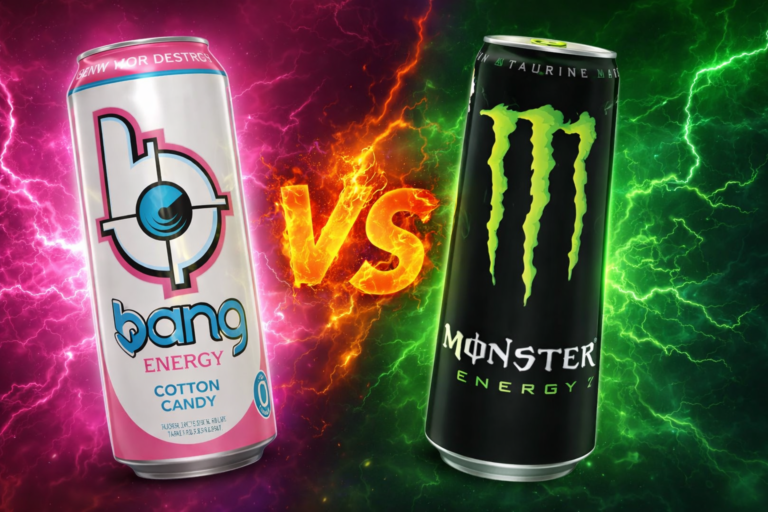
#2: Bang Energy
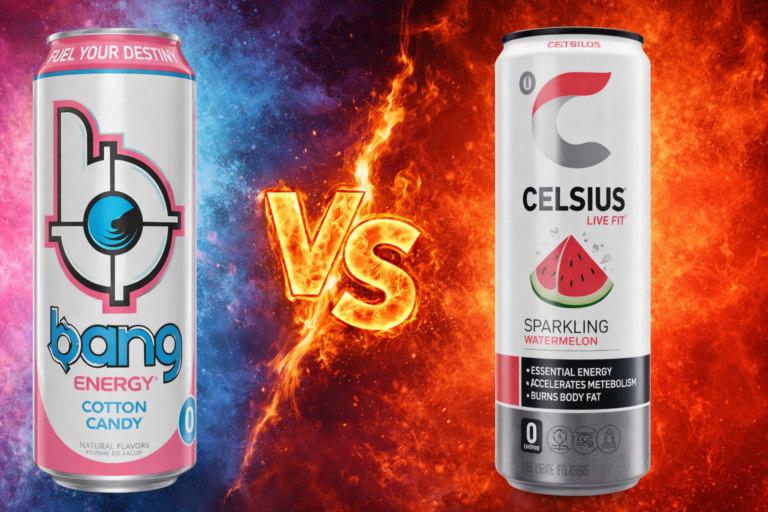
Matching Reign’s caffeine bomb, Bang’s BCAAs spike amino acid imbalances, fueling keratinocyte hyperactivity and psoriasis flares. Hidden detail: proprietary blends obscure guarana extracts that elevate cortisol 30% more than caffeine alone, per endocrine reviews. Real-world: college students guzzling Bang report 2x acne incidence versus non-consumers, aligning with protein drink studies on high-glycemic loads.
#3: Monster Energy
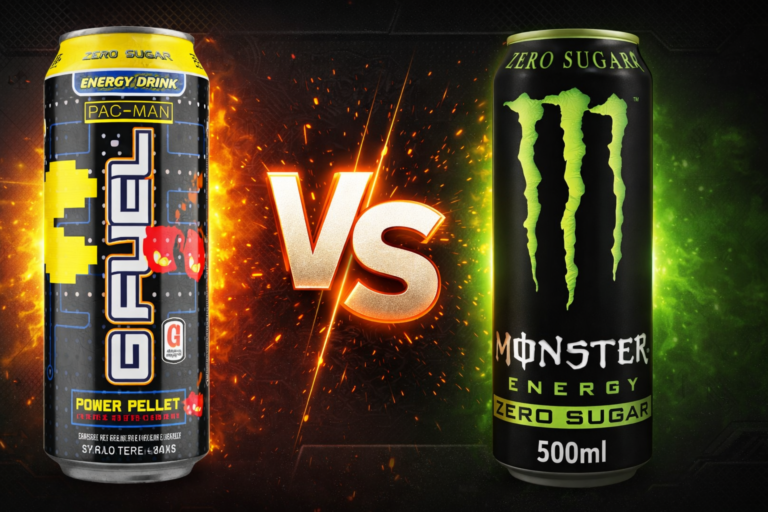
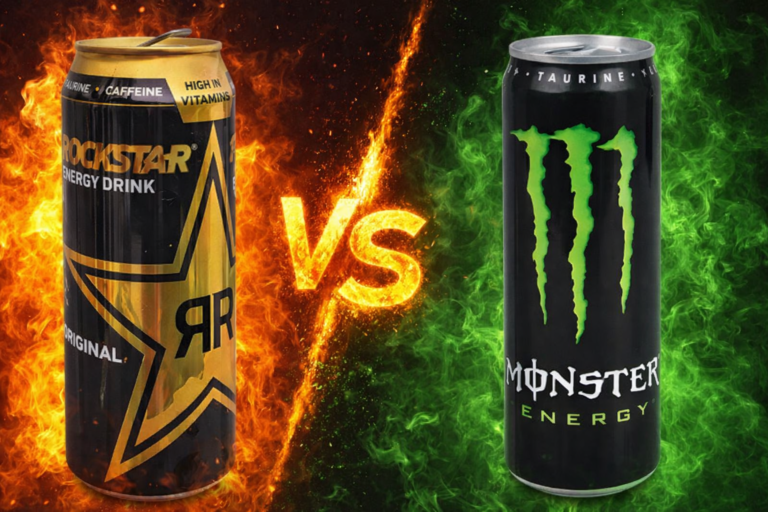
Monster’s 54g sugar (108% DV) delivers a glycemic tsunami, proven in Turkish research to surge hormones and oil in daily drinkers. 500% B12 risks niacin flush-like redness; unique insight: its carbonation (pH 3.2) amplifies enamel erosion, indirectly stressing skin via chronic inflammation. Sales king at 40% U.S. market share, yet a PMC case linked similar formulations to erythema.
#4: Rockstar Punched
62g sugar edges it over Monster, with taurine inducing insulin resistance that sustains sebum overdrive. Expert analysis: ginseng amplifies caffeine’s vasoconstriction, reducing dermal blood flow and delaying healing—critical for acne scars. Implication: gig economy drivers reliant on Rockstar face premature aging from oxidative stress.
#5: Red Bull
Even “light” versions pack 27g sugar plus taurine, disrupting sleep and spiking cortisol, a known acne agonist. Nuanced: Austrian original’s ginseng-herb mix sensitizes skin to UV, per photosensitivity studies. U.S. party culture amplifies risks for young adults.
#6-10: Other Heavy Hitters
NOS (260mg caffeine) mimics Bang’s dehydration without benefits. Full Throttle’s fructose hits liver hard, elevating IGF-1 for cystic acne. Amp leans on corn syrup for sustained insulinemia. 5-Hour’s concentrated shot overwhelms B-vitamin homeostasis. Celsius swaps sugar for sucralose but retains caffeine acidity, eroding skin barrier function.
Science-Backed Evidence
Beyond anecdotes, a 2023 PMC review cataloged skin horrors: one 19-year-old developed erythema multiforme post-taurine drink. Korean Journal of Investigative Dermatology confirmed caffeine-acne via sebum metrics. Turkish cohort: >1 drink/day doubled hormone surges. U.S.-focused Dermatology Times (2025) flags energy/protein drinks for student-athlete breakouts via insulin. Hidden gem: acidity (all <pH 3.5) fosters Propionibacterium acnes biofilms, per oral-skin microbiome links.
Safer Swaps & Prevention
Ditch for herbal teas or electrolyte waters minus B-vitamin excess. Hydrate 2:1 against caffeine intake; topicals like niacinamide counter insulin effects. Track via apps—U.S. users cutting energy drinks saw 40% acne drop in self-reports. Consult derms; for content creators, this data fuels transparency blogs.