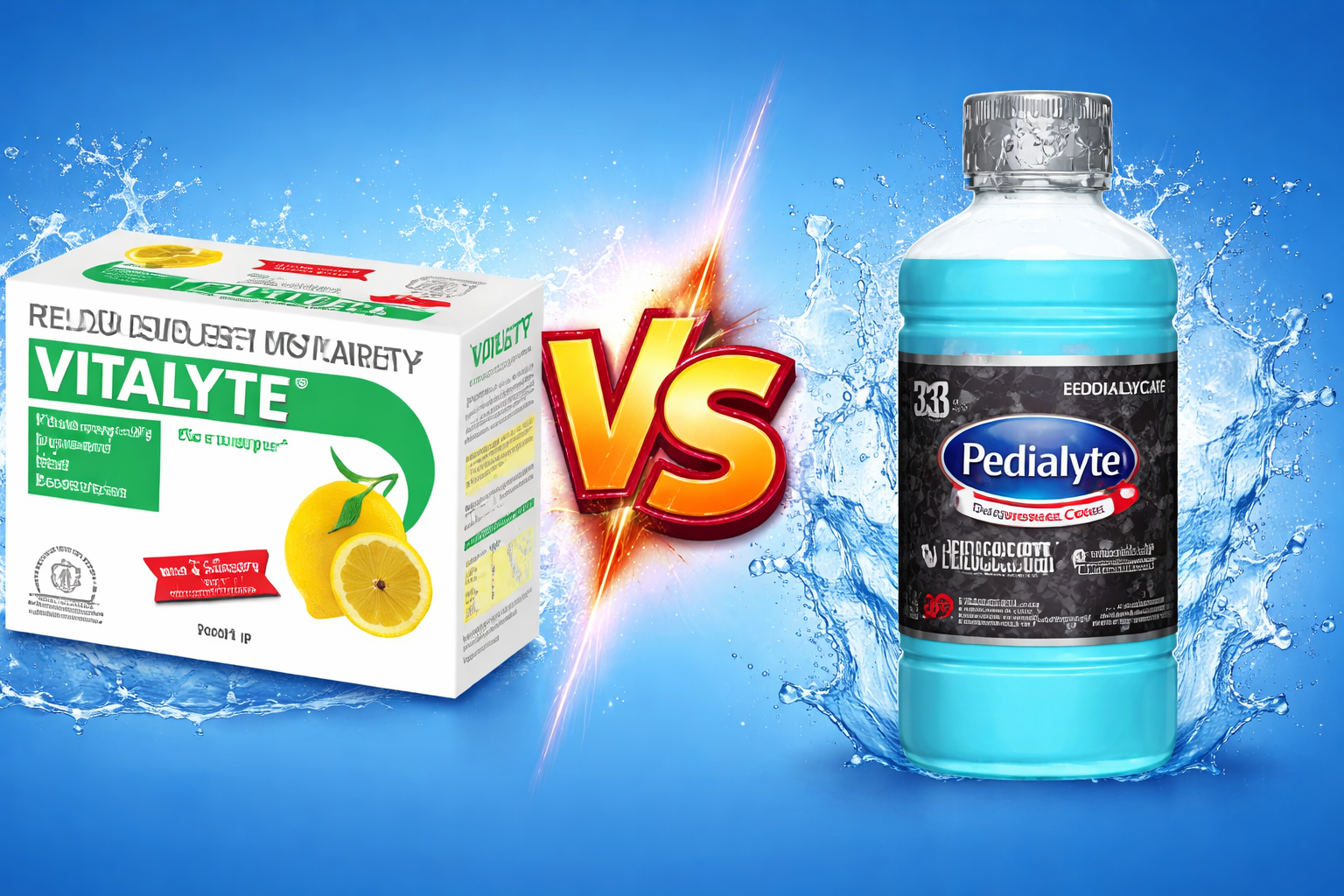
Vitalyte vs Pedialyte: Which Electrolyte Drink Wins?
When dehydration hits—whether from a brutal workout, a stomach bug, or last night’s poor decisions—you need more than water. You need electrolytes. But with shelves stocked full of options, two names consistently rise to the top: Vitalyte and Pedialyte.
Both promise rapid rehydration. Both tout science-backed formulas. Yet they couldn’t be more different in their origins, ingredients, and ideal use cases. So which one deserves a spot in your gym bag or medicine cabinet?
Let’s break down the science, compare the stats, and explore what real users are saying across social media and review platforms. By the end, you’ll know exactly which electrolyte drink matches your lifestyle.
The Science Behind Electrolyte Recovery
Before we pit these two products against each other, it’s worth understanding why electrolytes matter in the first place.
When you sweat, vomit, or experience diarrhea, your body loses more than just water. You’re also depleting critical minerals like sodium, potassium, and chloride—electrolytes that regulate nerve function, muscle contractions, and fluid balance.
Plain water can’t replace these losses fast enough. That’s where electrolyte drinks come in. They’re designed to accelerate absorption through a precise balance of glucose and sodium, triggering a biological mechanism called the sodium-glucose cotransport system. This process helps your intestines pull water and nutrients into your bloodstream more efficiently than water alone.
Now that we understand the “why,” let’s examine the “what” and “how” of Vitalyte and Pedialyte.
Vitalyte: Built for Athletes, Trusted for Decades
Vitalyte didn’t start as a trendy wellness drink. It was developed in the 1970s under the name Gookinaid by Bill Gookin, an endurance athlete and biochemist. His goal? Create a hydration formula that athletes could rely on during grueling races and training sessions.
The result was a glucose-based electrolyte drink that prioritized rapid absorption over flashy marketing. Vitalyte’s formula contains less sugar than many sports drinks, but just enough to activate that sodium-glucose transport system. It’s designed to hydrate without the stomach upset that can come from overly sweet or carbonated beverages.
Runners, cyclists, and triathletes have embraced Vitalyte for its clean ingredient list and effectiveness during long efforts. The brand has maintained a loyal following in endurance sports communities, where performance and recovery are non-negotiable.
Pedialyte: From Pediatric Wards to Pop Culture
Pedialyte, on the other hand, was never intended for athletes. Abbott Laboratories introduced it in the 1960s as a medical solution for dehydrated children suffering from diarrhea and vomiting. For decades, it stayed confined to pediatric care.
Then something unexpected happened. Adults—particularly college students and partygoers—discovered that Pedialyte worked wonders for hangovers. Word spread, and by the 2010s, Pedialyte had repositioned itself as a recovery drink for adults dealing with illness, exercise, or overindulgence.
The formula contains higher sodium levels than most sports drinks, making it especially effective for severe dehydration. Pedialyte also comes in various formats: liquid, powder, and freezer pops. This versatility, combined with savvy marketing and celebrity endorsements, has turned it into a household name.
Key Differences: A Side-by-Side Comparison
Let’s get specific. Here’s how Vitalyte and Pedialyte stack up across the metrics that matter most:
Sugar Content
Vitalyte contains approximately 11 grams of sugar per serving, while Pedialyte Classic has about 6 grams. Both use glucose strategically to enhance absorption, but Vitalyte leans slightly sweeter to fuel active performance. Pedialyte keeps sugar minimal, catering to those recovering from illness who may have sensitive stomachs.
Sodium Levels
Sodium is the MVP of rehydration, and Pedialyte brings more of it. A typical Pedialyte serving delivers around 370 mg of sodium compared to Vitalyte’s 190 mg. This makes Pedialyte more aggressive for severe dehydration scenarios, while Vitalyte offers a gentler option for regular athletic use.
Flavor Profiles
Vitalyte offers flavors like Lemon Lime, Grape, and Orange—straightforward options that won’t overwhelm your palate during exercise. Pedialyte has expanded its lineup to include flavors like Strawberry Lemonade and AdvancedCare Plus with prebiotics. The taste is generally more medicinal than Vitalyte, though newer formulations have improved.
Price Point
Vitalyte typically costs less per serving when purchased in bulk powder form, making it budget-friendly for regular users. Pedialyte’s ready-to-drink bottles come at a premium but offer convenience for on-the-go recovery.
Social Media Buzz: What’s Trending?
If you’ve scrolled through TikTok or Instagram lately, you’ve probably noticed both brands gaining traction—but for very different reasons.
Pedialyte dominates the “hangover hack” and “flu survival kit” content. Influencers post videos of themselves chugging Pedialyte after a night out, often with captions like “trust me on this” or “game changer.” The brand’s pivot to adult consumers has paid off, with millions of views on related hashtags.
Vitalyte, meanwhile, thrives in niche fitness communities. Marathon runners share their race-day hydration strategies, cyclists document century rides fueled by Vitalyte, and ultramarathoners praise its gentle formulation that doesn’t cause GI distress. It’s less about viral moments and more about trusted performance.
Both brands benefit from user-generated content, but their audiences rarely overlap. Pedialyte attracts casual users seeking quick relief, while Vitalyte appeals to serious athletes prioritizing consistency and endurance.
Real Users Weigh In
Customer feedback reveals distinct patterns in how people use and perceive these drinks.
Long-distance runners consistently favor Vitalyte for its easy digestion and sustained energy. One reviewer on a popular running forum noted, “I’ve tried every hydration drink out there, and Vitalyte is the only one that doesn’t slosh around in my stomach during mile 20.”
Parents often keep Pedialyte stocked for sick kids but have started using it themselves. A common testimonial: “Started buying it for my toddler’s stomach bug. Now I grab one whenever I feel a migraine coming on or after a hard workout.”
Fitness enthusiasts who do high-intensity interval training or CrossFit appreciate Pedialyte’s higher sodium content for post-workout recovery. However, some find the flavor too medicinal and wish it tasted more like a traditional sports drink.
Casual users recovering from illness or hangovers overwhelmingly choose Pedialyte. The convenience of grabbing a bottle from a drugstore at 2 a.m. can’t be beaten, and the sodium punch delivers fast relief.
Which Electrolyte Drink Is Right for You?
The answer depends entirely on your needs and lifestyle.
Choose Vitalyte if:
- You’re training for endurance events and need consistent hydration without stomach upset
- You prefer a slightly sweeter taste during physical activity
- You want a cost-effective option for daily or frequent use
- You value a formula designed specifically for athletic performance
Choose Pedialyte if:
- You’re recovering from illness, vomiting, or diarrhea and need aggressive rehydration
- You want the convenience of ready-to-drink bottles or freezer pops
- You’re dealing with a hangover or severe dehydration event
- You need higher sodium levels for rapid electrolyte replacement
There’s no universal winner here. Vitalyte excels as a proactive hydration tool for active lifestyles, while Pedialyte shines as a reactive solution for acute dehydration. Many people keep both on hand for different situations.
Hydrate Smarter, Not Harder
Electrolyte drinks aren’t magic, but they’re incredibly effective when used correctly. Whether you reach for Vitalyte or Pedialyte, you’re choosing a scientifically formulated product that works.
Pay attention to your body’s signals. If you’re sweating heavily during exercise, Vitalyte’s balanced formula will serve you well. If you’re laid up with the flu or nursing a hangover, Pedialyte’s medical-grade approach will get you back on your feet faster.
The best hydration strategy? Know your needs, pick your product accordingly, and drink up before dehydration sets in. Your body will thank you.