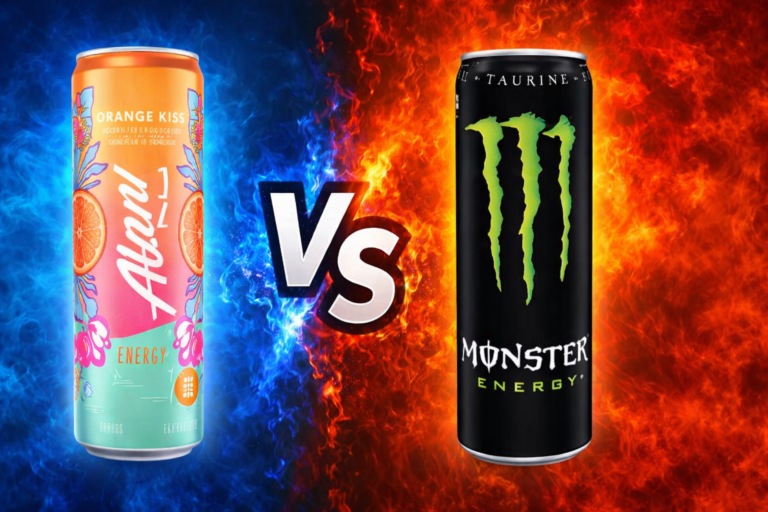
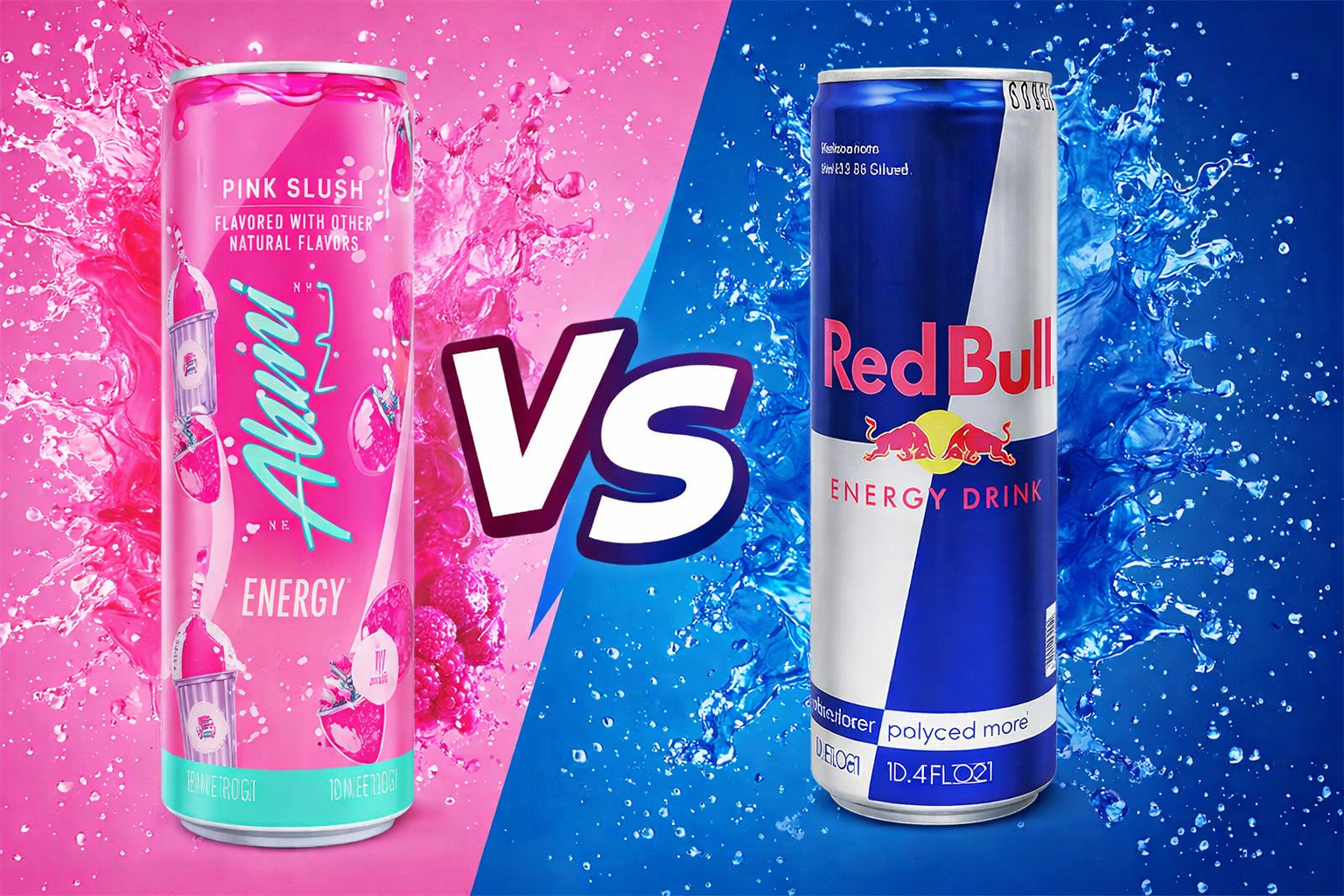
Alani vs Red Bull: My Honest Comparison
I’ve always been a bit picky about energy drinks. I want something that actually gives me a boost, but I don’t want to feel jittery, crash an hour later, or wonder what I just put in my body. That’s how I ended up bouncing back and forth between Alani Nu and Red Bull, two drinks that feel like they live in completely different worlds.
I’ve had Red Bull for years. It’s the classic grab-and-go option, especially when I’m tired, busy, or just need something reliable. Then I tried Alani, and honestly, it felt like a whole different vibe. Brighter flavors, a cleaner label, and marketing that clearly speaks to a different kind of energy drink drinker. After switching between the two in real life workouts, long workdays, and lazy afternoons I started noticing some clear differences.
So this isn’t a scientific breakdown or a label-by-label teardown. This is just my experience with Alani vs Red Bull, how they made me feel, how they fit into my routine, and which one I actually reach for depending on the day.
What Is Alani Nu? (Pros & Cons)
Overview
Alani Nu is a modern, lifestyle-focused energy drink that feels like it was made for people who already spend time in the gym, on social media, or tracking what they eat. The branding is loud, colorful, and very “now,” and it’s clearly marketed as sugar-free, low-calorie, and fitness-friendly.
From what I’ve seen, it’s especially popular with younger, active consumers. A lot of people I know who drink Alani are into workouts, step counts, or just want energy without feeling like they’re drinking something heavy or old-school.
Pros
- Zero sugar and very low calories
This is one of the biggest reasons I reach for Alani. I can drink it without feeling like I just added empty calories to my day. - High caffeine for strong energy
Alani hits hard. When I really need to focus or push through a workout, the energy is noticeable and fast. - Wide variety of bold, trendy flavors
This is where Alani really shines for me. The flavors are fun, sweet, and don’t taste as “energy drink-ish” as some others. - Strong brand loyalty driven by taste
Once people find a flavor they love, they stick with it. I’ve definitely noticed that with myself too.
Cons
- Very high caffeine may be too intense for some
I wouldn’t recommend this if you’re sensitive to caffeine. If I drink it too late in the day, I know I’m not sleeping. - Uses artificial sweeteners (not liked by everyone)
I don’t mind them, but I know plenty of people who can taste them right away or prefer more natural options. - Health benefits beyond caffeine are limited
Even though it’s marketed as fitness-friendly, at the end of the day it’s still mainly a caffeine drink. I don’t really count it as “healthy,” just lighter than some alternatives.
What Is Red Bull? (Pros & Cons)
Overview
Red Bull is basically the original energy drink. It’s been around forever, and no matter where I am gas station, airport, random convenience store I can almost always find it. That familiarity is a big part of why people still drink it.
For me, Red Bull is all about consistency. It tastes the same every time, and the energy boost is steady and predictable. It doesn’t hit as hard as newer brands, but sometimes that’s actually a good thing.
Pros
- Reliable, moderate caffeine level
I like that Red Bull gives me energy without overwhelming me. I can drink one and still feel normal instead of wired. - Widely available almost everywhere
This is huge. When I don’t want to hunt for a specific brand, Red Bull is the safe bet. - Classic, easy-to-drink flavor
The taste is familiar and smooth. It’s not too sweet or aggressive, which makes it easy to sip. - Long-standing consumer trust
It’s been around so long that I don’t really question what I’m getting. That trust matters more than people admit.
Cons
- Higher sugar and calories in the original version
This is my biggest downside. The classic Red Bull definitely feels heavier compared to sugar-free options. - Lower caffeine compared to modern competitors
When I’m really tired, Red Bull sometimes isn’t enough on its own. - Less flavor variety compared to newer brands
The newer brands experiment way more. Red Bull sticks to the basics, which can feel a little boring now.
Ingredients Comparison
What People Care About Today
Lately, I’ve noticed that people pay way more attention to ingredient labels than they used to. It’s not just about calories anymore. Words like artificial sweeteners and synthetic vitamins tend to raise eyebrows, even if most people don’t fully dig into what they actually do. Perception matters, and ingredients play a big role in how “clean” or “safe” an energy drink feels.
Alani Nu Ingredients
With Alani Nu, the ingredient list is very much in line with modern energy drinks. The caffeine dose is high, which explains why it hits so hard for me. It uses artificial sweeteners like sucralose and acesulfame potassium instead of sugar, keeping calories close to zero. You’ll also see B vitamins and functional add-ins such as taurine, L-theanine, and ginseng. On paper, it sounds impressive, even if most of the energy still comes down to caffeine.
Red Bull Ingredients
Red Bull keeps things simpler. The caffeine dose is more moderate, and in the original version, the sweetness comes from real sugar, specifically glucose and sucrose. It also includes taurine and B vitamins, including synthetic B12. The ingredient list feels more old-school, which some people appreciate and others avoid because of the sugar.
Key Insight
From my experience, ingredients don’t usually change how effective the energy boost is. Caffeine is doing most of the work in both drinks. Where ingredients really matter is trust and perception. Alani feels cleaner and more modern to a lot of people, while Red Bull feels familiar and proven. Which one you trust more often matters just as much as what’s actually inside the can.
How the Energy “Kick” Feels
When it comes to energy drinks, this is the part people actually care about. Not the label, not the marketing the way it feels once you crack the can.
With Alani Nu, the energy hits fast and strong. I usually feel it pretty quickly, and there’s no question that I’ve had caffeine. This is the one I grab before a workout or on days when I know I’ll be mentally fried for hours. The downside is that it can feel intense. If you’re sensitive to caffeine or drink it too late, it can cross the line from energized to edgy.
Red Bull feels very different. The energy comes on smoother and more gradually, without that sudden jolt. I find it easier to drink on a regular day when I just want a little boost and not a full-on surge. It’s also less likely to feel overwhelming, which makes it more forgiving if you’re not trying to max out your caffeine intake.
For me, it really comes down to intent. Alani is for when I need power. Red Bull is for when I just want to feel a bit more awake and functional.
Health & Wellness Benefits
When I really break it down, neither of these drinks is a magic health product. With both Alani Nu and Red Bull, caffeine is doing almost all the heavy lifting. It’s the one ingredient with clear, proven effects on alertness and performance. Everything else plays a much smaller role.
Both drinks include B vitamins, which support normal metabolism, but they don’t actually create energy out of thin air. If you’re not deficient, you probably won’t feel any extra boost from them. They’re helpful on paper, but not something I base my choice on.
The added functional ingredients you see, things like taurine, L-theanine, or herbal extracts, sound impressive, but in real life their impact is usually subtle at best. To me, they feel more like marketing support than something that truly changes how the drink performs.
In the end, the “health” decision comes down to how your body reacts. If you’re sensitive to sugar, Alani makes more sense. If high caffeine makes you jittery, Red Bull is easier to live with. The difference isn’t about big wellness gains, it’s about what your body tolerates and what fits your daily habits.
Price Comparison
Price is one of those things I don’t think about until I’m standing in front of the fridge deciding what to grab.
With Alani Nu, the price usually lands in the mid-to-high range. I see it most often sold in multipacks or online bundles, which can make it feel more like a planned purchase than an impulse buy. The branding definitely pushes it as a premium lifestyle product, and the price tends to match that image.
Red Bull is easier on the wallet in day-to-day life. It’s widely available, often cheaper per can, and simple to buy individually just about anywhere. When I don’t want to commit to a whole pack or think too hard about it, Red Bull is the easier and more budget-friendly choice.
For me, Alani feels like something I stock up on with intention. Red Bull feels like something I grab when I need it, no planning required.
Flavor & Taste
Flavor is honestly where my opinion gets the strongest, because this is the part you notice with every single sip.
Alani Nu is known for bold, fruity, almost candy-like flavors. This is a big reason why people get hooked. The drinks taste fun, sweet, and very intentional, which creates a lot of brand loyalty. When I find a flavor I like, I really like it. That said, I can see why some people think the flavors are too sweet or a little artificial, especially if you’re not into that candy vibe.
Red Bull goes in the opposite direction. It has that classic, lightly carbonated citrus-candy profile that tastes the same no matter where you are. It’s not exciting, but it’s extremely reliable. I never open a Red Bull and feel surprised by it, and sometimes that’s exactly what I want.
If I’m drinking for enjoyment, I usually lean Alani. If I just want something familiar that I know won’t bother me, Red Bull wins.
Customer Experience
From what I’ve seen and experienced, Alani Nu feels very community-driven. It has a strong fan base that’s genuinely excited about new flavor drops and packaging designs. The cans are eye-catching, they stand out in the fridge, and the flavor variety keeps people engaged. That excitement is a big part of why the brand feels more like a lifestyle choice than just a drink. At the same time, I do hear occasional complaints, mostly about the sweetness level or concerns around artificial ingredients. People either love it or decide it’s not for them pretty quickly.
Red Bull delivers a very different kind of customer experience. It’s everywhere, it’s consistent, and it’s instantly recognizable. Red Bull feels like a trusted daily staple, something you don’t have to think twice about buying. While it doesn’t innovate as aggressively or push new flavors as often, that reliability is exactly why so many people stick with it. You always know what you’re getting, and for a lot of consumers, that matters more than novelty.
To me, Alani feels exciting and expressive, while Red Bull feels dependable and familiar. Neither approach is better, it just depends on whether you value variety and vibe or consistency and trust.
Which One Should You Choose?
After switching back and forth between the two, I don’t think there’s a single “better” option. It really depends on how and why you use energy drinks.
Choose Alani Nu if you want maximum caffeine without the sugar. If flavor variety matters to you and you like bold, sweet options, Alani delivers. I also find it works best for workouts or long, demanding days when I need a noticeable push and don’t want to feel sluggish halfway through.
Go with Red Bull if you prefer a more balanced, moderate energy boost. It’s smoother, easier to drink daily, and less likely to feel overwhelming. If availability and consistency matter more to you than chasing trends or new flavors, Red Bull is hard to beat.
For me, it’s not an either-or decision. Alani is my “power mode” drink. Red Bull is my everyday fallback. The right choice depends on your routine, your caffeine tolerance, and what you actually want out of an energy drink.
Final Thought
After drinking both for a long time, I don’t see Alani Nu and Red Bull as competitors fighting for the same moment. They serve different purposes in my day.
Alani is what I reach for when I need a serious push. It’s bold, high-caffeine, and feels designed for performance or high-energy situations. Red Bull is the steady option. It’s familiar, smooth, and easy to drink without overthinking it.
Neither one is “healthier” in a meaningful way, and neither one is perfect. The best choice is the one that fits your routine, your caffeine tolerance, and how you actually use energy drinks in real life. For me, having both around makes more sense than picking a side.