Is Red Bull Good for a Hangover? Here’s What Science Says
You wake up, head pounding, mouth drier than sandpaper, and the thought of doing anything remotely productive seems laughable. Sound familiar? The morning after a big night out is rough, and it’s tempting to reach for whatever promises the fastest fix. For many people, that means cracking open a can of Red Bull.
The logic seems reasonable enough: Red Bull gives you energy, hangovers drain it, so Red Bull must help. But does that thinking actually hold up? The answer is more nuanced than you might expect.
What’s Actually Happening Inside Your Body
Before we look at what Red Bull does, it helps to understand what a hangover actually is. Contrary to popular belief, it’s not just about being tired. Several biological processes are at play simultaneously.
According to the National Institute on Alcohol Abuse and Alcoholism (NIAAA), hangovers result from a combination of the following:
- Dehydration: Alcohol suppresses vasopressin, a hormone that signals the kidneys to retain fluid. Without it, you urinate far more than usual, losing fluids rapidly.
- Electrolyte imbalance: All that urination throws off key minerals like sodium and potassium that your body depends on.
- Gastrointestinal irritation: Alcohol inflames the stomach lining and increases acid production, causing that familiar nausea.
- Acetaldehyde buildup: As your liver breaks down alcohol, it produces acetaldehyde—a toxic compound that drives inflammation throughout your organs.
- Mini-withdrawal: When alcohol leaves your system, your nervous system—which had adjusted to its calming effects—overcorrects, leaving you feeling anxious and restless.
- Disrupted sleep: Even if you slept for hours, the sleep you got was fragmented and low quality, leaving you exhausted.
No single factor causes a hangover. It’s the combination of all these things hitting at once.
Breaking Down What’s in a Can of Red Bull
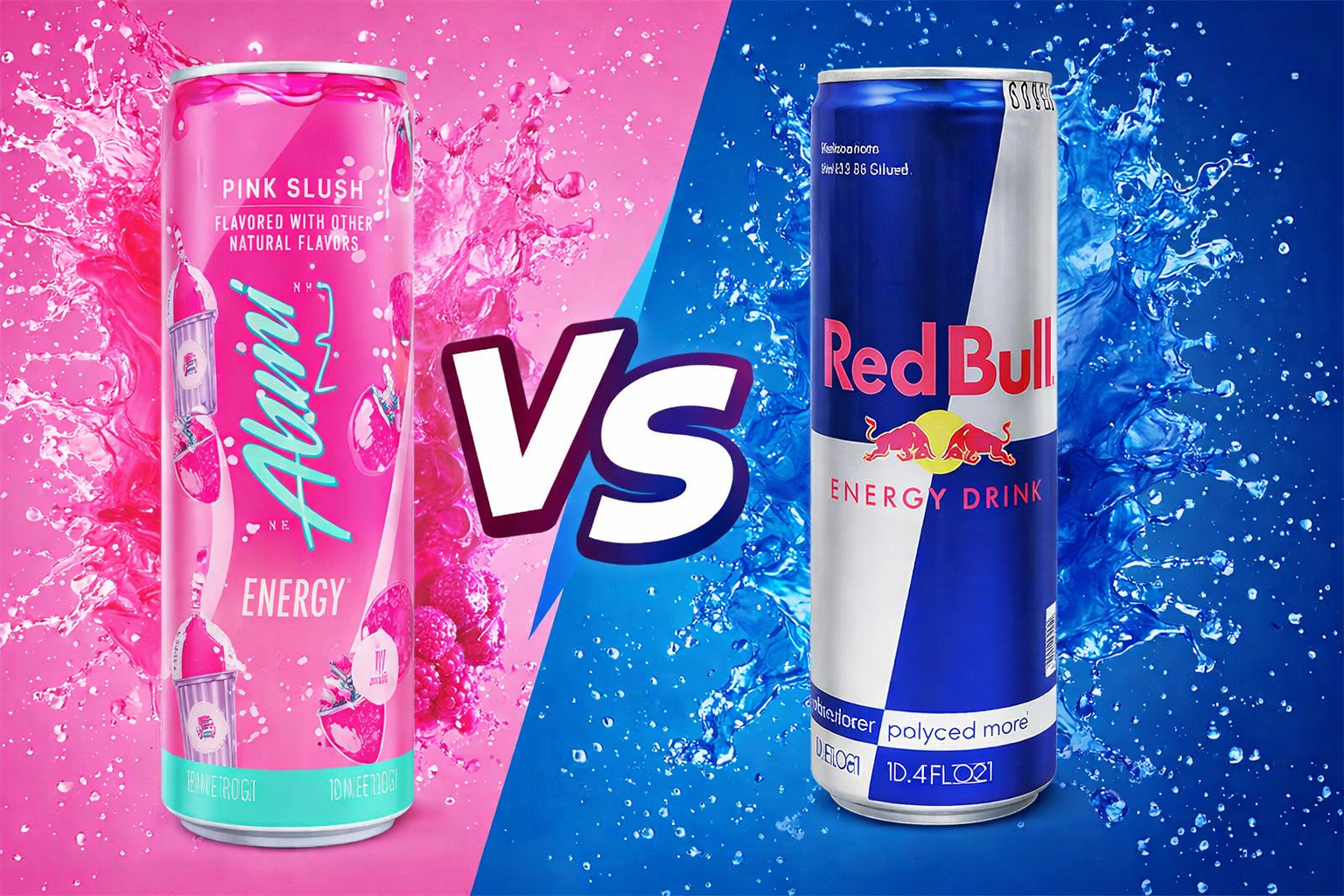
A standard 250 ml (8.4 fl oz) can of Red Bull contains four main active ingredients: caffeine, taurine, B-group vitamins, and sugar. Each one sounds promising on paper.
Caffeine (80 mg per can) — roughly the same as a standard cup of coffee — is the main draw. Caffeine blocks adenosine receptors in the brain, which is why it makes you feel more alert. Red Bull’s own website notes that caffeine helps improve concentration and increase alertness. In the context of a hangover, this sounds ideal.
Taurine is an amino acid naturally found in the body. Red Bull notes that it plays a role in osmoregulation—the regulation of cellular water and electrolyte balance. On the surface, that sounds relevant to hangover recovery.
B-group vitamins (B3, B5, B6, B12) support normal energy metabolism and help reduce tiredness and fatigue. Again, appealing given how sluggish a hangover makes you feel.
Sugar (27 g per can) provides a fast-absorbing source of carbohydrates—useful if your blood sugar has dropped.
So far, so good. But here’s where things get complicated.
The Pros and Cons of Cracking a Red Bull
Where It Might Help
The caffeine in Red Bull can temporarily counteract some hangover symptoms. Research published in Pharmacological Reviews has suggested that caffeine may block the effects of acetaldehyde, potentially blunting the severity of headaches. The alertness boost is real—it won’t fix what’s happening biochemically, but it can make you feel more functional for a few hours.
The sugar content may also help. Hangovers can lower blood sugar, contributing to shakiness and fatigue, and a fast-absorbing carbohydrate source can partially address that.
Where It Falls Short
Here’s the catch: the CDC is direct on this point. Caffeine “does not reduce the effects of alcohol on your body.” It doesn’t speed up alcohol metabolism, doesn’t sober you up, and doesn’t treat the underlying causes of a hangover.
Caffeine also has a mild diuretic effect. As researchers at the National Institutes of Health have noted, increased diuresis from caffeine can lead to a negative fluid balance compared to plain water. Since dehydration is already one of the biggest drivers of hangover symptoms, adding a diuretic to the mix risks making things worse, not better.
The CDC also warns that mixing caffeine with alcohol-related contexts can push blood pressure higher and cause an irregular heartbeat—a concern for anyone whose heart is already working overtime from a big night out.
A 2013 study published in PLOS ONE tested caffeinated versus non-caffeinated alcoholic beverages and found that caffeine “did not affect the incidence or severity of hangover.” The researchers concluded that people who believe caffeine helps a hangover are “likely misinformed.”
And the taurine? While taurine does play a role in fluid regulation, a single can of Red Bull contains far less taurine than what’s naturally present in the human body—Red Bull acknowledges that a 70 kg person contains around 70 times more taurine than one can holds. The physiological impact is unlikely to be significant.
The bottom line: Red Bull may make you feel like you’re recovering, but it isn’t treating the root causes.
What Actually Helps a Hangover
The NIAAA is straightforward: “There is no magic potion for beating hangovers—and only time can help.” That’s not exactly the answer anyone wants to hear at 8 a.m. on a Sunday, but the research consistently points in this direction.
That said, there are evidence-backed ways to support your body while it recovers:
- Water: Rehydration is the most important step. Drink water consistently throughout the day until your urine runs clear.
- Electrolyte drinks: Sports drinks like Gatorade or Pedialyte can help address electrolyte imbalances. Cleveland Clinic specifically recommends them as part of hangover self-care.
- Bland, carbohydrate-rich food: Toast and crackers are genuinely useful. They help stabilize blood sugar without irritating an already inflamed stomach.
- Sleep: Your body heals during rest. If you can sleep more, do it.
- Time: Hangover symptoms typically ease within 8 to 24 hours as your body clears the toxic byproducts of alcohol.
Coconut water is also a popular option, offering natural electrolytes without the added sugar load of many sports drinks. Similarly, broth can replace lost sodium and fluid simultaneously.
The Verdict
Red Bull isn’t a hangover cure. The temporary alertness from caffeine might help you get through a meeting or feel vaguely human again, but it does nothing to address dehydration, acetaldehyde toxicity, gastrointestinal irritation, or any of the other processes driving how you feel. Worse, the diuretic effect of caffeine could actively prolong your dehydration.
If you’re set on reaching for something in a can, electrolyte drinks are a far better option. If you want the caffeine hit anyway, try pairing a small coffee with two large glasses of water, some food, and the patience to let your body do what it needs to do.
There’s no shortcut here. The most effective hangover strategy remains the unglamorous one: drink water, eat something, rest, and wait.