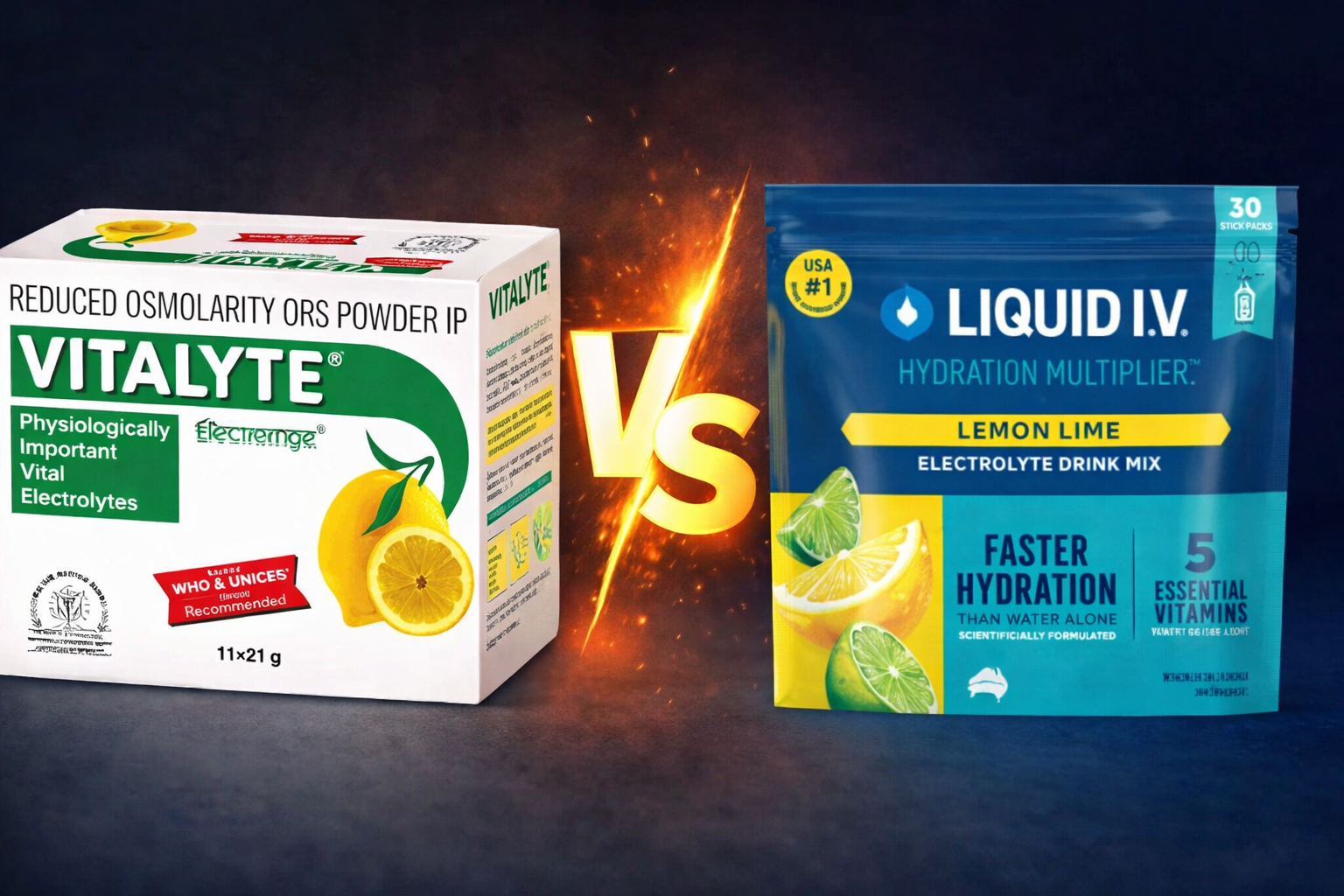
Hydration isn’t what it used to be. A glass of water after a workout might feel refreshing, but is it really enough? As performance demands rise and wellness takes center stage, advanced hydration solutions have become essential tools for athletes, fitness enthusiasts, and anyone looking to optimize their body’s recovery and function.
Two brands dominate the conversation: Vitalyte and Liquid I.V. Both promise superior hydration through electrolyte-enhanced formulas, but they approach the challenge differently. Vitalyte leans on decades of scientific research and a straightforward electrolyte balance. Liquid I.V., meanwhile, leverages its proprietary Cellular Transport Technology and bold marketing presence to capture attention.
So which one actually delivers? This comparison breaks down their ingredients, effectiveness, flavor profiles, social media buzz, customer feedback, pricing, and accessibility to help you make an informed choice.
Understanding Vitalyte: Science-Backed Simplicity
Vitalyte has been around since the 1970s, originally developed for endurance athletes competing in extreme conditions. Its formula focuses on electrolyte replacement without unnecessary additives, making it a favorite among purists who prioritize function over flash.
Ingredients and Electrolyte Balance
Vitalyte’s approach is rooted in scientific research on optimal electrolyte ratios. Each serving contains sodium, potassium, magnesium, and chloride—the essential minerals your body loses through sweat. The sodium-to-potassium ratio is calibrated to match what athletes typically deplete during intense physical activity.
Unlike many competitors, Vitalyte keeps sugar content minimal. Most flavors contain around 5 grams per serving, just enough to facilitate absorption without adding excessive calories. This makes it particularly appealing for those monitoring their sugar intake or following low-carb diets.
Heritage and Philosophy
The brand’s longevity speaks to its credibility. Vitalyte was formulated by sports scientists, not marketing teams, which explains its no-nonsense positioning. The packaging is straightforward, the messaging is clinical, and the product itself has changed very little over the years—a testament to getting the formula right from the start.
Understanding Liquid I.V.: Innovation Meets Marketing Power
Liquid I.V. burst onto the scene more recently, bringing with it a modern approach to hydration and a marketing strategy designed for the Instagram age. The brand claims its Cellular Transport Technology delivers hydration faster and more efficiently than water alone.
Cellular Transport Technology
At the heart of Liquid I.V.’s formula is what the company calls Cellular Transport Technology (CTT). This refers to a specific glucose-to-sodium ratio designed to enhance water absorption in the bloodstream. The science behind this isn’t new—it’s based on oral rehydration therapy principles used by the World Health Organization—but Liquid I.V. has packaged it effectively for consumer use.
Each stick contains 11 grams of sugar, which is higher than Vitalyte but serves a functional purpose: glucose helps transport sodium and water across intestinal walls more efficiently. The question is whether that trade-off is worth it for your specific needs.
Market Presence
Liquid I.V. has mastered brand visibility. From influencer partnerships to retail shelf placement at major chains like Costco and Target, the product is everywhere. This accessibility has helped it gain widespread adoption, particularly among younger consumers who discovered it through social media.
Key Comparison: What’s Really Inside
When you strip away the branding, what matters most is what’s in each packet and how it performs.
Nutrient Profiles
Both products deliver essential electrolytes, but in different concentrations. Vitalyte typically provides around 200mg of sodium per serving, while Liquid I.V. offers 500mg. Higher sodium content can benefit intense sweaters or those exercising in hot conditions, but it might be excessive for casual use.
Potassium levels are comparable, with both brands offering adequate amounts to support muscle function and prevent cramping. Liquid I.V. includes additional vitamins like B3, B5, B6, B12, and Vitamin C, positioning itself as more than just a hydration product. Vitalyte keeps its formula focused strictly on electrolyte replacement.
Sugar Content
This is where personal preference and goals come into play. Vitalyte’s lower sugar content (around 5g) makes it suitable for those watching their carbohydrate intake or using the product multiple times daily. Liquid I.V.’s 11g per serving provides quick energy but can add up if you’re consuming multiple sticks throughout the day.
For athletes engaged in prolonged, high-intensity exercise, the extra glucose in Liquid I.V. can actually be beneficial. For everyday hydration or shorter workouts, Vitalyte’s leaner profile might be more appropriate.
Flavor Variety
Liquid I.V. wins on flavor selection and taste appeal. With options like Passion Fruit, Watermelon, and Açai Berry, the brand clearly prioritized palatability. The flavors are bold and sweet, making hydration feel less like a chore.
Vitalyte offers classic flavors like Lemon-Lime, Fruit Punch, and Grape. They’re less adventurous but also less polarizing. Some users find them more tolerable for frequent consumption since they’re not as intensely sweet.
Social Media Sentiment: What People Are Actually Saying
Social media has become a powerful indicator of product performance and consumer satisfaction. Both brands have cultivated strong online communities, but the conversations around them differ significantly.
TikTok and Instagram Trends
Liquid I.V. dominates on TikTok, where influencers and everyday users share hydration tips, post-workout routines, and hangover recovery hacks. The brand’s colorful packaging and single-serve stick format make it highly shareable. Videos showing the powder dissolving in water or comparing different flavors rack up millions of views.
Vitalyte has a quieter but loyal presence. Its social media following skews toward serious athletes, ultramarathoners, and cycling enthusiasts who value performance over aesthetics. The posts are less flashy but often more detailed, with users discussing specific use cases during long-distance events or in extreme heat.
User-generated content reveals interesting patterns. Liquid I.V. posts often focus on convenience and lifestyle integration—using it at music festivals, during travel, or as part of a morning routine. Vitalyte content centers on athletic performance, with users sharing race-day experiences and recovery protocols.
Customer Feedback: Real Experiences from Real Users
Beyond curated social media posts, customer reviews and testimonials provide unfiltered insights into how these products perform in real-world conditions.
Athletes vs. Casual Users
Athletes consistently praise Vitalyte for its effectiveness during prolonged physical exertion. Endurance runners, triathletes, and cyclists report reduced cramping, sustained energy levels, and faster recovery times. The low sugar content is frequently mentioned as a major advantage, allowing them to consume multiple servings without feeling bloated or experiencing sugar crashes.
Casual users and fitness enthusiasts tend to favor Liquid I.V. for its taste and the noticeable boost it provides. Many reviewers mention using it after nights out, during illness, or simply as a daily wellness supplement. The vitamin additions are viewed as a bonus, even if their impact on hydration is debatable.
Common Complaints
Vitalyte’s main criticism revolves around flavor. Some users find it too bland or medicinal, though others appreciate that it doesn’t taste overly sweet. A few reviews mention difficulty dissolving the powder completely, though this seems to vary by flavor and water temperature.
Liquid I.V. faces criticism for its sugar content and sweetness. Users monitoring their sugar intake express frustration that effective hydration comes with a carbohydrate cost. Price is another frequent complaint—at roughly $1.50-$2.00 per stick, it’s significantly more expensive than Vitalyte on a per-serving basis.
Price and Accessibility: Getting the Most Value
Cost matters, especially if you plan to use these products regularly.
Value Per Serving
Vitalyte generally offers better value for frequent users. Bulk containers provide more servings at a lower per-use cost, typically ranging from $0.50-$0.75 per serving. The product is designed for repeated daily consumption, so the economics make sense.
Liquid I.V.’s single-serve sticks offer convenience but at a premium. While individual sticks retail for around $1.50-$2.00, bulk purchases through Costco or online subscriptions can bring the cost down to approximately $1.00-$1.25 per serving. It’s still more expensive, but the portability might justify the difference for travelers or gym-goers.
Retail Availability
Liquid I.V. has superior retail distribution. You can find it at major chains like Target, Costco, Walmart, and even some convenience stores. This accessibility makes it easy to grab on the go or try before committing to a larger purchase.
Vitalyte is more commonly found at specialty sports nutrition stores, running shops, and online retailers. While this limits impulse purchases, it also means the brand is well-represented in spaces where serious athletes shop.
Making Your Choice: Which Hydration Solution Fits Your Life?
There’s no universal winner here—only the right choice for your specific situation.
Choose Vitalyte if you’re a serious athlete training regularly, participating in endurance events, or exercising in hot conditions. Its scientifically calibrated electrolyte ratio, low sugar content, and cost-effectiveness make it ideal for frequent use. The straightforward formula focuses on what matters most: replacing what you lose through sweat without unnecessary extras.
Choose Liquid I.V. if you prioritize taste, convenience, and versatility. It works well for occasional use, travel, recovery from illness, or as an occasional wellness boost. The added vitamins and superior flavor profile make hydration more enjoyable, even if you’re paying a premium for the experience.
For some, the answer might be both. Keep Vitalyte stocked for regular training and workouts, and save Liquid I.V. for travel, social occasions, or when you need something more palatable. Your hydration strategy doesn’t have to be one-size-fits-all.
The hydration market will continue evolving, but these two brands have earned their positions through different strengths. Understanding what you actually need—not just what’s trending—will lead you to the right choice.